
Architectural Trends: 18 Coastal Beach House Exterior Designs
This post may contain affiliate links. If you make a purchase through one of my links, I may receive a small commission at no cost to you.

Ready to upgrade your coastal curb appeal?
Architectural trends are constantly shifting, and the classic beach house is getting a fresh, exciting makeover. This is your ultimate resource for embracing the latest seaside styles.
I’ve compiled 18 of the most sought-after coastal home exterior designs and architectural trends for your next home project.
From eco-friendly dunescapes to luxurious Hamptons-inspired estates, stop scrolling through endless inspiration and find the perfect blueprint for your dream beach house right here.
1. Classic New England Shingle Style
This style is the iconic, time-honored look of the American Northeast coast, embodying rustic elegance and durability.

It’s characterized by a comfortable, weathered appearance that only improves with age, making it the definition of quintessential coastal charm.
To Get the Look:
Siding: Natural cedar shingles, typically left untreated to weather to a beautiful silver-gray patina.
Roof: Gambrel or hip rooflines are common, often covered in traditional asphalt shingles or slate.
Details: Asymmetrical facades, dormer windows, and deep, screened-in or covered porches supported by classic posts.
Color: The main body is gray; trim is almost always crisp white.
How to Maintain:
Treatment: If a uniform color is desired, apply a bleaching oil to accelerate the graying process, or a semi-transparent stain every 5–7 years.
Inspection: Regularly inspect shingles for cracking, curling, or lifting, especially after strong coastal storms. Replace damaged shingles immediately to prevent moisture penetration.
Cleaning: Use a gentle, low-pressure wash every few years to remove salt and mildew buildup without damaging the wood fibers.
2. Minimalist Scandinavian-Inspired Coastal Retreat
This trend combines the clean, functional simplicity of Nordic design principles with the airy, light-filled atmosphere of the coast.


Think clean lines, white-washed exteriors, and large glass panels. Natural wood accents, such as cedar shakes or driftwood-The result is a sleek, clutter-free retreat that emphasizes connection to nature and abundant natural light.
To Get the Look:
Siding: Smooth, vertical wood siding or cement board in a crisp, matte white or light gray finish.
Roof: Low-slung or flat rooflines to maintain a streamlined silhouette.
Details: Oversized, black-framed windows and sliding glass doors with minimal trim to maximize views. Exposed, warm natural wood accents (like cedar or teak) on door frames or decks.
Color: Dominant use of white and neutral tones; black provides a high-contrast anchor.
How to Maintain:
White Upkeep: Be prepared for frequent cleaning to maintain the bright white facade, as coastal air can cause mold and mildew. A yearly soft-wash is essential.
Window Care: Due to the expanse of glass, regular, professional window cleaning is necessary to keep salt spray from clouding the view and etching the glass.
Wood Accents: Use high-quality, weather-resistant stains on any natural wood accents to prevent sun fading and salt damage.
3. Modern Farmhouse Meets Coastal Chic
The immensely popular modern farmhouse style gets a breezy, seaside upgrade.

It retains the signature sharp lines and high-contrast palette but trades traditional rustic elements for nautical accents and durable coastal materials.
To Get the Look:
Siding: Board-and-batten siding is essential, usually painted in a crisp white or a very light gray.
Roof: Durable standing seam metal roofing in black, dark gray, or even a weathered copper finish for a contemporary twist.
Details: Large, simple gables, expansive porches with sleek vertical railings, and oversized black-framed windows. Nautical-inspired barn lights or gooseneck fixtures.
Color: Primarily high-contrast white and black, sometimes incorporating soft, dusty blues.
How to Maintain:
Siding: Use high-quality exterior acrylic paint with mold and mildew resistance for the white siding. Pressure-wash annually to keep the crisp look.
Metal Roof: Inspect the metal roof every few years for any signs of corrosion, especially around seams and fasteners.
Trim: Keep the black window frames and trim pristine, as any chipping or fading will quickly detract from the modern aesthetic.
4. Mediterranean-Inspired Coastal Villa
Perfect for warmer climates, this design brings the timeless romance of the European seaside to your shore.
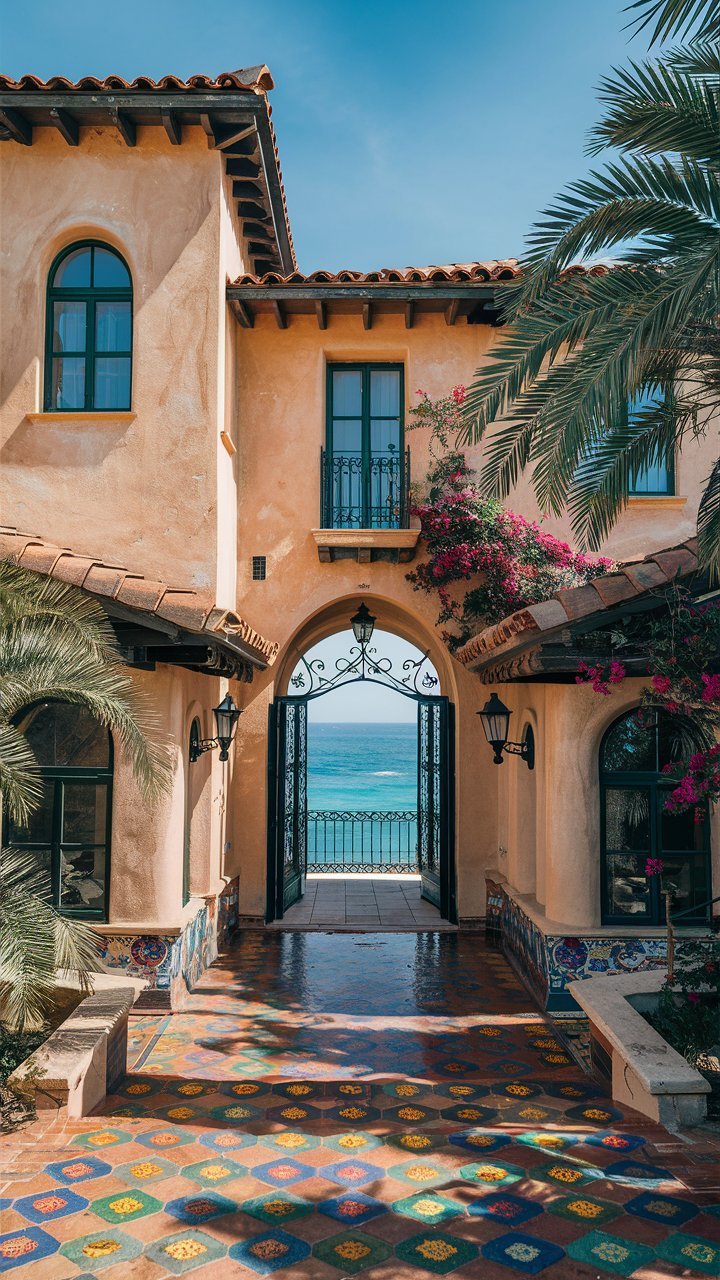

It's an exotic and elegant option that relies on rich textures and old-world architectural details.
To Get the Look:
Siding: Hand-troweled stucco with a light texture, typically finished in sun-bleached colors like terra cotta, soft peach, or off-white.
Roof: Low-pitched roof with distinctive, semi-cylindrical terracotta clay roof tiles.
Details: Arched windows and doorways, decorative wrought iron balconies and railing, and outdoor spaces incorporating colorful Spanish or Moroccan ceramic tile accents.
Color: Earthy, sun-baked tones accented by deep blues and greens in tiles and trim.
How to Maintain:
Stucco: Periodically inspect the stucco for hairline cracks, which should be repaired quickly to prevent moisture from penetrating the wall assembly.
Roof Tiles: Check for cracked or missing terracotta tiles, especially after high winds. They are fragile and require careful repair or replacement.
Ironwork: Clean and wax wrought iron railings annually to prevent the formation of rust and pitting caused by salt air.
5. Contemporary Glass and Steel Beach House
This is the cutting edge of coastal design, pushing past the "cottage" definition to create an ultra-modern, transparent structure.


The focus is on clean lines, industrial materials, and a seamless visual connection to the ocean.
To Get the Look:
Siding: Minimal or nonexistent—the structure is largely defined by the glass and steel frame. Concrete, stone, or smooth, dark-toned siding may be used on structural walls.
Roof: Flat or low-slope roof, often incorporating a rooftop deck.
Details: Expansive, floor-to-ceiling curtain wall glass systems, sleek steel framing, and cantilevered decks that appear to float over the landscape.
Color: Industrial tones: black, dark gray, metallic silver, with minimal natural materials to ground the structure.
How to Maintain:
Glass: Budget for professional, specialized exterior glass cleaning multiple times per year to combat salt accumulation and maintain clarity.
Steel: Ensure all structural steel is treated with marine-grade anti-corrosion finishes, like galvanized or powder-coated steel. Inspect for any chips in the finish that could lead to rust.
Roof Drainage: Flat roofs require meticulous attention to drainage systems to prevent ponding water and structural issues.
6. Eco-Friendly Dune Cottage
Sustainability meets style in this environmentally conscious approach.


The design focuses on minimizing impact, blending seamlessly into the landscape, and utilizing innovative, resource-efficient materials and systems.
To Get the Look:
Siding: Reclaimed wood, sustainable timber (like bamboo or FSC-certified wood), or composite materials. Siding is often untreated to let it weather naturally.
Roof: A living Green Roof planted with native, drought-resistant coastal vegetation. This provides insulation and helps water runoff.
Details: Integrated solar panels, rainwater harvesting systems visible in the design, and elevated construction (on pilings) to minimize ground disturbance.
Color: Earthy, natural tones that mimic the sand, dune grass, and surrounding environment.
How to Maintain:
Green Roof: Requires specialized maintenance, including weeding, checking the drainage layer, and ensuring the native plants are thriving.
Systems: Regular service checks on solar panels, inverters, and rainwater collection systems are vital for efficiency.
Wood: Apply an eco-friendly sealant to reclaimed or sustainable wood to protect against moisture without using harsh chemicals.
7. Cape Cod Cottage Revival
A contemporary spin on the original classic, this revival retains the cozy, symmetrical charm of the Cape Cod style but updates it with better views and modern finishes.


It’s classic and comfortable, elevated for the 21st century.
To Get the Look:
Siding: Crisp, horizontal clapboard siding or thin cedar shingles.
Roof: Steeply pitched roof with symmetrical dormer windows for added light and space.
Details: Perfect symmetry in window and door placement, a central chimney, and now, much larger, more contemporary window sizes.
Color: Traditional soft white or light gray body paired with contrasting, often black or navy, shutters and trim.
How to Maintain:
Paint: Given the heavy reliance on painted clapboard and trim, establish a 5- to 7-year painting schedule using a premium exterior paint.
Symmetry: Maintain the perfect look by ensuring all shutters and dormer trim are kept in immaculate condition, as flaws in the trim are very noticeable on a symmetrical facade.
Dormers: Ensure dormer window flashing and seals are checked regularly, as these are common areas for water entry in older homes.
8. Plantation-Style Beach House
Drawing architectural influence from the Caribbean and South Pacific, this style is designed for ultimate relaxation and heat management.


It is defined by its breezy verandas and shaded outdoor living spaces.
To Get the Look:
Siding: Vertical tongue-and-groove siding or stucco.
Roof: Steeply pitched, hipped roofs to handle tropical rains, often with deep eaves.
Details: Expansive, wide wraparound verandas with decorative railings, louvered shutters on all windows, and a raised foundation to promote air circulation.
Color: Light, tropical pastel color schemes—seafoam green, light blue, soft yellow—paired with bright white trim.
How to Maintain:
Woodwork: The elaborate porch railings and decorative millwork require annual inspection for peeling paint and wood rot, especially in high-humidity areas.
Shutter Function: Ensure all louvered shutters remain functional, cleaning and lubricating hardware regularly to protect against corrosion.
Veranda Decking: Use composite or treated wood for the porch floor, and regularly sweep or wash to prevent moisture from degrading the finish.
9. Nordic Fjord-Inspired Coastal Retreat
This dramatic, site-specific style combines the ruggedness of a fjord environment with sleek, high-end contemporary architecture.


It focuses on a powerful contrast between hard, natural materials and expansive, luxurious glass.
To Get the Look:
Siding: A bold juxtaposition of rough-hewn local stone cladding (dark or natural gray) and vast expanses of structurally integrated glass.
Roof: Often features a Green Roof (similar to the Dune Cottage), or a dark-colored, heavy-duty shingle or metal.
Details: Cantilevered sections (viewing platforms or decks) to seemingly float over the landscape, minimal visible trim, and sleek wooden pathways.
Color: Very subdued and earth-toned: dark gray, black, deep greens, and wood tones.
How to Maintain:
Stone: Periodically inspect the stone facade for integrity. A light-pressure wash is needed to remove mineral deposits or sea salt residue.
Structural Integrity: Due to the cantilevered designs, it is crucial to have the structural components and supporting steel regularly checked by an engineer for corrosion or movement.
Glass Seals: Ensure the seals on the large, integrated glass units are maintained perfectly to withstand harsh weather and prevent leaks.
10. Nautical New American Cottage
This playful and deliberate style takes a straightforward American architectural base and decks it out in maritime motifs.

It's a fresh, patriotic take on coastal life, always ready for a regatta.
To Get the Look:
Siding: Horizontal clapboard or ship lap siding.
Roof: Traditional gable or hip roof.
Details: Porthole windows, thick rope railings on decks, brass exterior hardware (like sconces and door pulls), and sometimes a weather vane.
Color: The classic trio: navy blue, crisp white, and an accent of bright red.
How to Maintain:
Hardware: The brass and other metallic hardware must be cleaned and polished regularly (or sealed with a clear lacquer) to prevent the constant pitting and green patina caused by salt spray.
Paint: Focus on maintaining the sharp lines between the navy and white sections, as clean edges are vital to the nautical look.
Rope: If using natural rope railings, plan to replace them periodically, as exposure to the elements will cause them to weaken and rot over time.
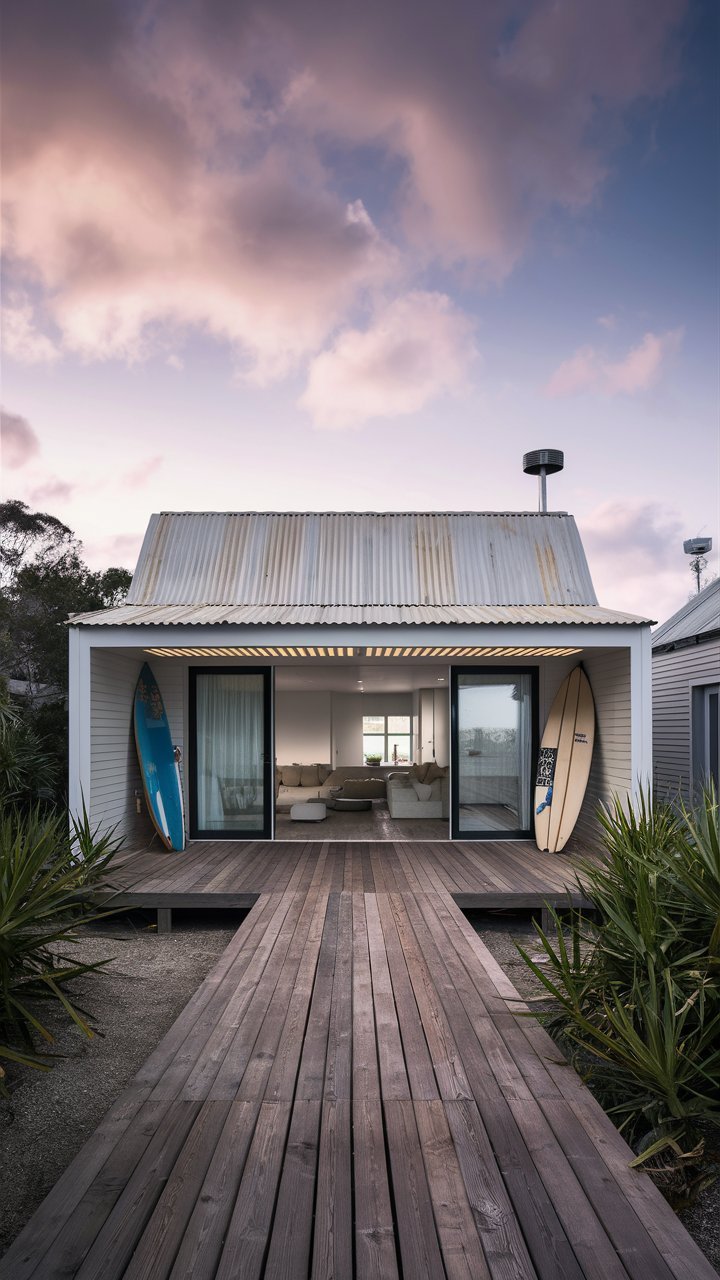
11. Australian Beach Shack Modernized
Inspired by the laid-back, surf-centric lifestyle of Australia, this trend upgrades the humble, functional "shack" with high-end, durable materials and a focus on blurring the line between indoors and outdoors.
To Get the Look:
Siding: Simple, robust, boxy forms using stucco, cement board, or weathered wood siding.
Roof: Corrugated metal roofing, often left untreated or painted in a light, heat-reflective color.
Details: Sliding glass walls that disappear to open the living space to the deck, simple post-and-beam construction, and expansive, low-level decking.
Color: Minimalist palette: weathered grays, white, and natural wood tones.
How to Maintain:
Metal Roof: Corrugated metal can be prone to rust, especially where it’s scratched or near the ocean. Use a sacrificial zinc anode or a specialized anti-corrosion coating.
Decking: Maintain the large deck area with frequent cleaning and annual sealing, as this is the primary transition space between indoor and outdoor living.
Sliding Doors: Keep the tracks of the large sliding glass doors free of sand and salt crystals to ensure smooth operation and prevent mechanical wear.
12. Northwest Coastal Craftsman
Perfect for cooler, moodier coastal settings, this style blends the sturdy, artisanal construction of Craftsman architecture with a subdued, natural color palette reflective of the Pacific Northwest.


To Get the Look:
Siding: Mixed materials are key: lower portions may be stone-clad, while upper portions feature shingle or lap siding.
Roof: Low-pitched, wide-overhanging eaves with exposed rafter tails.
Details: Heavy, tapered stone or wood columns; intricate, exposed wooden brackets and decorative trim under the eaves; handcrafted woodwork.
Color: Moody and natural: deep forest greens, slate grays, muted blues, and rich wood stains.
How to Maintain:
Eaves & Woodwork: The deep eaves protect much of the wood, but the exposed rafter tails and trim must be regularly checked for moisture damage and rot, which is common in wet climates.
Staining: Re-stain or re-paint the heavy wood trim every 5 years to ensure the grain is protected.
Stone: Ensure the stone cladding has proper weep systems to allow water drainage from behind the facade, preventing internal moisture issues.
13. Art Deco Beach Bungalow
A touch of 1920s and 30s glamour, this style is experiencing a revival.

It’s a nostalgic and visually exciting look defined by geometric precision, streamlined forms, and bold color pops.
To Get the Look:
Siding: Smooth stucco or plaster, perfect for creating clean, streamlined curved walls and corners.
Roof: Flat roofs with decorative parapet walls that hide the roofline.
Details: Geometric patterns incorporated into railings, doorways, and trim; chrome or stainless steel accents; occasional porthole windows.
Color: Bold color blocking is key. Think turquoise, coral, mint green, or peach against stark white or cream.
How to Maintain:
Vibrant Color: Bold colors fade faster in the sun. Use UV-resistant elastomeric paint on the stucco and plan for touch-ups or repainting more frequently than neutral colors.
Metal Accents: Polish and seal chrome or stainless steel accents, as the geometry is easily lost beneath corrosion or tarnish.
Stucco: The smooth surface of Art Deco stucco shows cracks easily. Repair quickly to maintain the sleek, perfect lines.
14. Hamptons-Inspired Luxury Coastal Estate
Epitomizing refined, upscale coastal living, this design is characterized by meticulous symmetry, grand scale, and a timelessly elegant color scheme.


It’s coastal architecture at its most polished and formal.
To Get the Look:
Siding: High-end cedar shingles or shake siding, often dipped in a bleached or soft, uniform gray stain.
Roof: Classic gable or hip roof with a moderate pitch.
Details: Symmetrical facade with a prominent central entrance, columned porticos, numerous dormer windows, and a foundation surrounded by lush, manicured landscaping (e.g., boxwoods, hydrangeas).
Color: Soft grays, oyster shells, or light blues for the shingle body, paired with impeccable, thick, bright white trim.
How to Maintain:
White Trim: The key to this look is the flawless, crisp white trim. Use only the highest-quality, durable exterior enamel paint and maintain a strict cleaning and repainting schedule.
Landscaping: The manicured landscape is an integral part of the exterior. This requires regular, professional maintenance to keep hedges, lawns, and plants in perfect condition.
Shingle Integrity: Periodically treat the cedar shingles to protect them from excessive moisture and ensure they maintain a uniform color and texture.
15. Rustic Coastal Geodesic Dome Cottage
A unique blend of innovative structural engineering and traditional seaside charm.


The distinct geodesic shape is softened by rustic materials to create a cozy, conversation-starting seaside retreat.
To Get the Look:
Siding: The dome structure is clad in weathered cedar shakes or pressure-treated wood.
Roof: The exterior cladding serves as the roof.
Details: Functional dormer windows cut into the dome surface for light and views, a traditional stone chimney for a homey touch, and a wide, encircling wraparound deck.
Color: Weathered wood tones and classic white railings.
How to Maintain:
Seams: The numerous seams where the triangular panels of the dome meet are critical points for water intrusion. These areas must be checked and re-sealed meticulously every few years.
Deck: The large wraparound deck is a primary feature and needs regular sealing and inspection, as the dome shape sheds water rapidly onto the surrounding deck surface.
Cladding: The rustic cedar shake cladding on the curved surface is tricky to repair. Replace damaged or warped pieces immediately to prevent water from reaching the interior dome structure.
16. Bohemian Beach Cottage
The free-spirited and eclectic approach to coastal design.


It’s less about architectural perfection and more about artistic expression, bold colors, and an embracing of collected, handcrafted details.
To Get the Look:
Siding: Mix and match textures, such as brightly painted stucco, weathered wood panels, or even exterior use of shiplap or beadboard.
Roof: Simple gable or shed rooflines.
Details: Intricate, colorful tile work around doorways, carved wooden accents, exposed rafters, and large, inviting outdoor spaces decorated with vintage finds, macramé, and mixed-pattern textiles.
Color: Vibrant, often non-traditional coastal colors: teal, coral, turquoise, purple, and mustard yellow.
How to Maintain:
Fading: The vibrant color palette is prone to fading in the intense sun. Use a high-quality, UV-stable paint and embrace the natural, faded "patina" of the bohemian look.
Handcrafted Details: Secure all exterior decor and ensure unique wooden carvings or details are treated with marine varnish to prevent cracking and rot.
Textiles: All outdoor textiles (cushions, hanging macrame, rugs) must be brought in during inclement weather to prevent mildew and damage.
17. Adaptive Reuse Lighthouse Cottage
This trend respects coastal heritage by repurposing or architecturally referencing historic structures like lighthouses, coast guard stations, or old fishing shacks.

It's a compelling narrative of old meeting new.
To Get the Look:
Siding: A mix of materials, pairing original, weathered materials (like brick, heavy timber, or stone) with sleek, modern additions (like metal or smooth cement board).
Roof: Often features the original architectural roof (such as the dome of a lighthouse cupola) juxtaposed with the low-slung roof of a contemporary addition.
Details: Preservation of original windows, doors, and unique features; use of historically appropriate fixtures for lighting; and clear distinction between the "old" and "new" parts of the structure.
Color: The palette is defined by the original structure (e.g., red and white for a classic lighthouse) and complemented by a neutral color for the additions.
How to Maintain:
Historic Materials: Existing historical elements require specialized preservation and maintenance, often involving lime washes, specific mortar types, or historic paint formulas.
Salt Damage: Historic structures, especially tall ones, are heavily exposed to salt and wind. Structural engineers should regularly inspect the original building for integrity.
New/Old Seams: Pay close attention to the connections where the new construction meets the old, ensuring superior flashing and weather-proofing is in place.
18. Floating Coastal Cabin
The ultimate innovative solution for waterfront property, these compact, self-sufficient homes float directly on the water.

They offer an unparalleled connection to the marine environment and incorporate advanced sustainable technology.
To Get the Look:
Siding: Durable, lightweight, marine-grade siding like composite paneling or treated wood.
Foundation: A visible flotation system (pontoons, concrete barge, or secured pilings).
Details: Compact footprint, often incorporating a retractable deck or small railing-free balcony, and integration of visible sustainable technologies like solar panels.
Color: Often modern, dark, and sleek to contrast with the water, or a very natural wood tone.
How to Maintain:
Flotation System: The most critical maintenance is the periodic inspection and cleaning of the flotation system to check for marine growth, leaks, and damage.
Exterior Cladding: Use marine-grade paints and sealants on all exposed surfaces to withstand constant water exposure and spray.
Systems: The cabin is likely reliant on integrated, off-grid systems (solar, water filtration). These must be serviced regularly and professionally to ensure self-sufficiency.
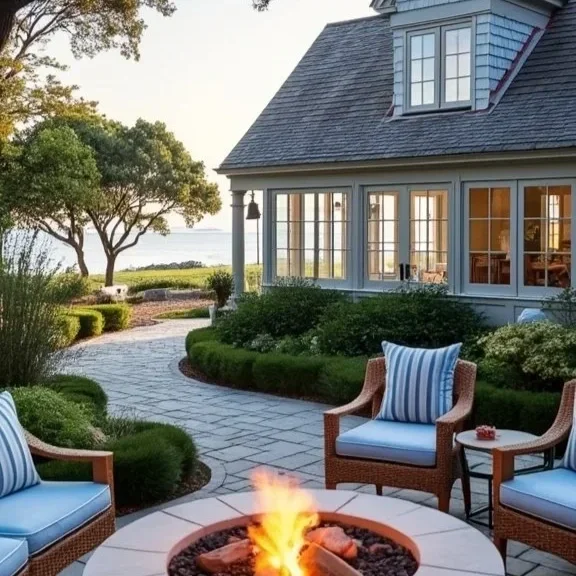
How To Recreate These Stunning Hamptons Style Coastal Cottage Exteriors
Your Seaside Blueprint is Complete
You've journeyed through 18 distinct architectural trends, moving beyond simple aesthetics to understand the specific materials, construction details, and maintenance commitments required for each look.
From the low-maintenance charm of the Classic New England Shingle style to the high-design demands of the Contemporary Glass and Steel retreat, you now hold the essential blueprint for your perfect coastal cottage.


Remember, the best coastal design doesn't just look stunning; it withstands the elements while reflecting your unique story. The design details you choose—from the paint color to the roof material—are critical decisions that impact both curb appeal and long-term upkeep.
The Next Step: Define Your Balance
Before you pick up a hammer or call an architect, ask yourself: What is your tolerance for maintenance, and what is your priority…sustainability, luxury, or tradition? Use the "To Get the Look" and "Maintenance" sections for these 18 designs as your decision-making guide.
Cheers to crafting a space that is not only beautiful but truly built for life by the sea!