
6 Simple Ways to Get the Coastal Cottage Look (+15 Stunning Living Room Ideas)
This post may contain affiliate links. If you make a purchase through one of my links, I may receive a small commission at no cost to you.
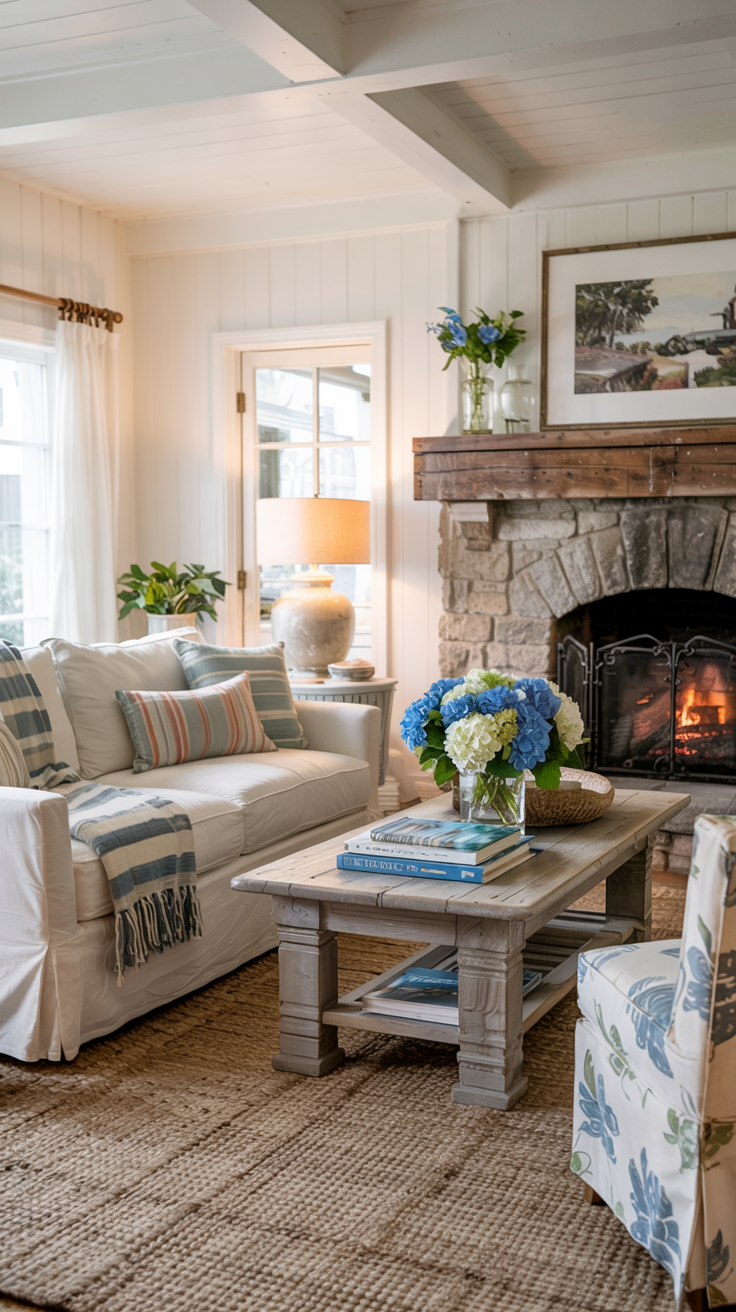
The best coastal cottage living rooms feel like a deep breath. They find that perfect middle ground between "breezy beach house" and "high-comfort cottage."
But how do you get that curated look without your home feeling like a kitschy souvenir shop?
You follow these 6 essential pillars I use to design living rooms that are equal parts stylish and "shoes-off" comfortable. Whether you live by the ocean or just want to bring the seaside vibe home, these 6 elements are the foundation of a timeless coastal retreat.
Key Takeaways - What You’ll Learn:
I’ll walk through the 6 coastal cottage essentials that make the biggest impact in your living room:
Rustic Elements: How to add authentic character with wood and stone (even on a budget!).
The Perfect Palette: My go-t0 colors for both light-and-airy and moody coastal vibes.
Casual Seating: Why "livable" fabrics and cozy arrangements are non-negotiable.
Layered Textiles: The secret to using rugs and throws to create "touchable" warmth.
Coastal Florals: How to use patterns to soften your space without it feeling fussy.
Architectural Soul: Why board and batten is my favorite DIY for instant cottage charm.
Plus, I’ve included over 15 visual inspiration ideas to help you see these elements in action!
1. Rustic Charm: Bringing the Outdoors In
I always say that a coastal room without rustic elements is like a beach without sand—it just feels a bit unfinished. To get that authentic "lived-in" cottage feel, you need to ground all those breezy whites and blues with something raw and organic.
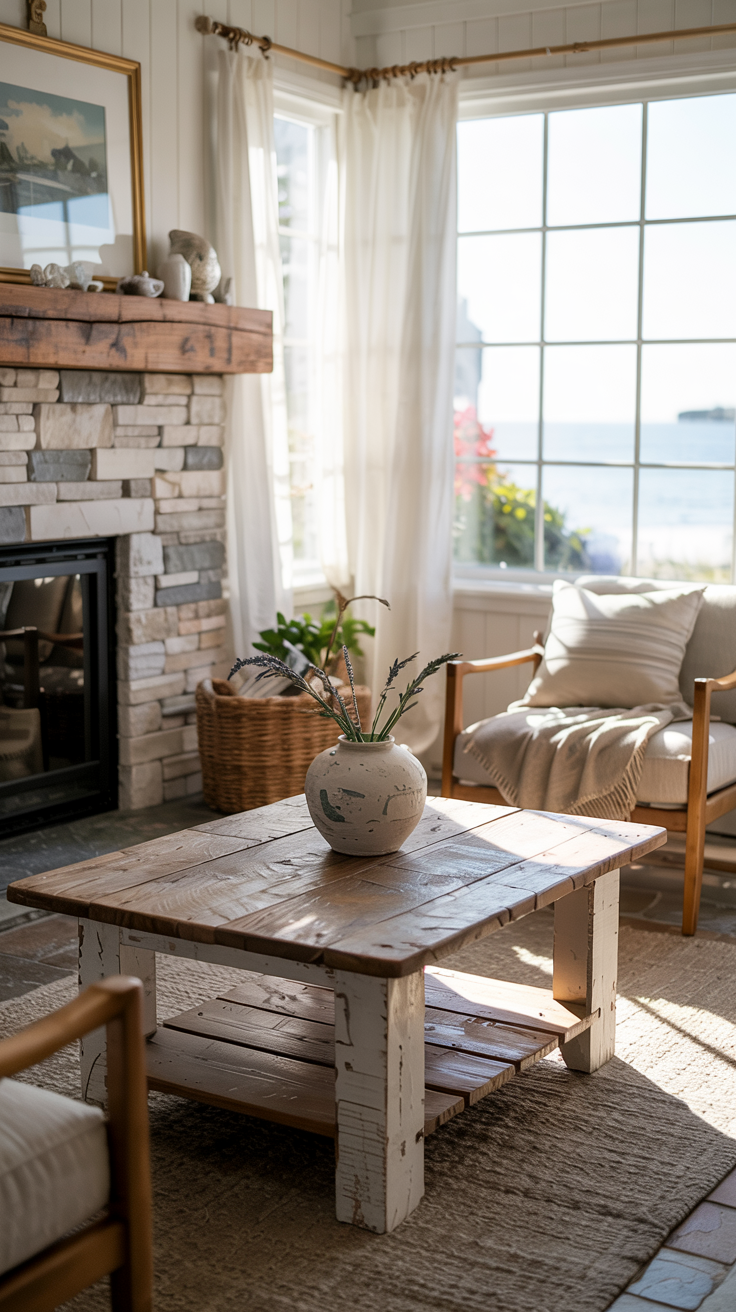
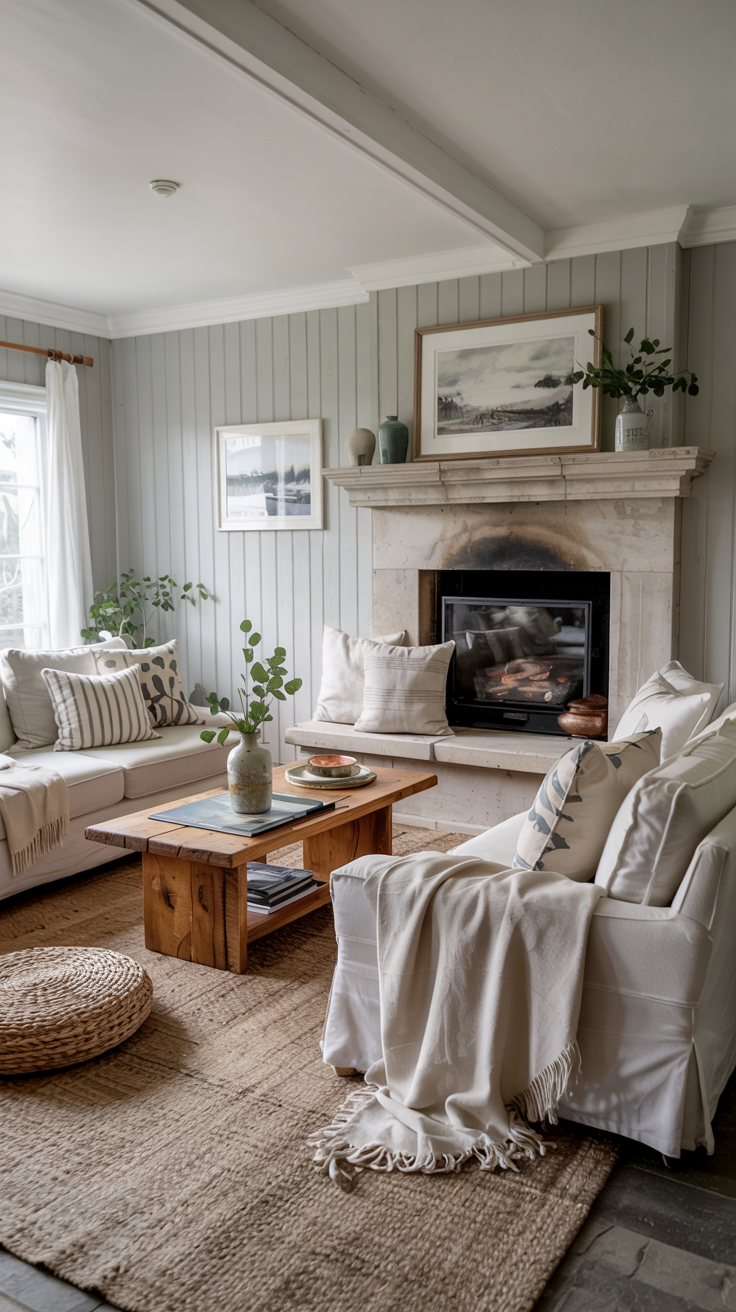
Whether it’s a reclaimed wood mantel or a stone accent fireplace, these natural textures provide the "soul" of the room. Adding weathered wood accents is the easiest way to make a new build feel like a historic seaside home.
Styling Tips for a Rustic Look
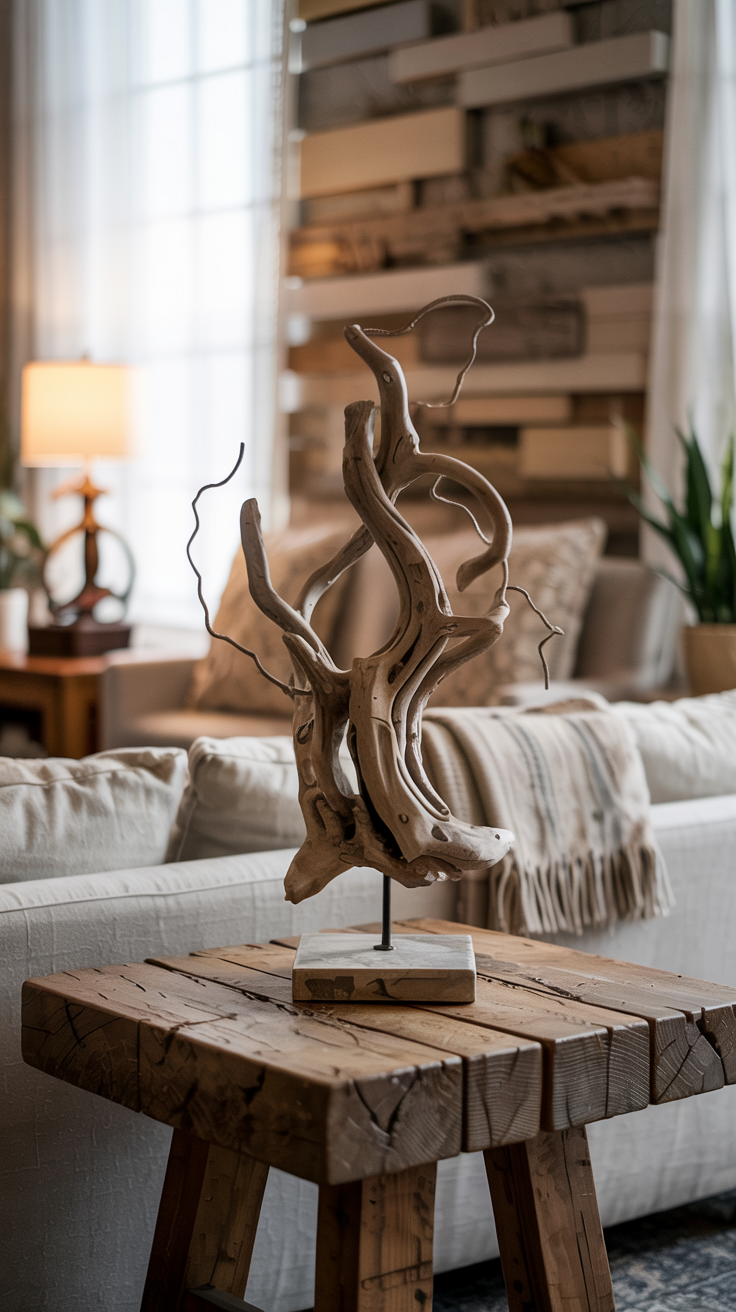
Mix Your Wood Tones: Don’t feel like every piece of wood in the room has to match. In fact, it shouldn't! Pair a grayish, salt-tumbled driftwood decor piece with a warmer oak coffee table. This "mismatched" look makes the room feel like it was curated over years rather than bought in one afternoon.
The Power of Stone: If you don't have a massive budget for a masonry fireplace, use stone veneer! It’s a fantastic budget-friendly coastal decor hack that adds massive visual weight and texture to the room.
Mistakes to Avoid
The "High-Gloss" Error: Mistake to avoid: Using shiny, orange-toned, or high-gloss wood finishes. In a coastal cottage, you want matte, distressed, or raw finishes. Anything too reflective will lean "glam" rather than "cozy."
Over-Theming: Avoid the "souvenir shop" trap. You don't need a rustic wooden anchor, a rustic wooden whale, and rustic wooden oars. Pick one or two large organic elements (like a beam or a trunk) and let them be the stars.
2. The Coastal Palette: Choosing Your Atmosphere
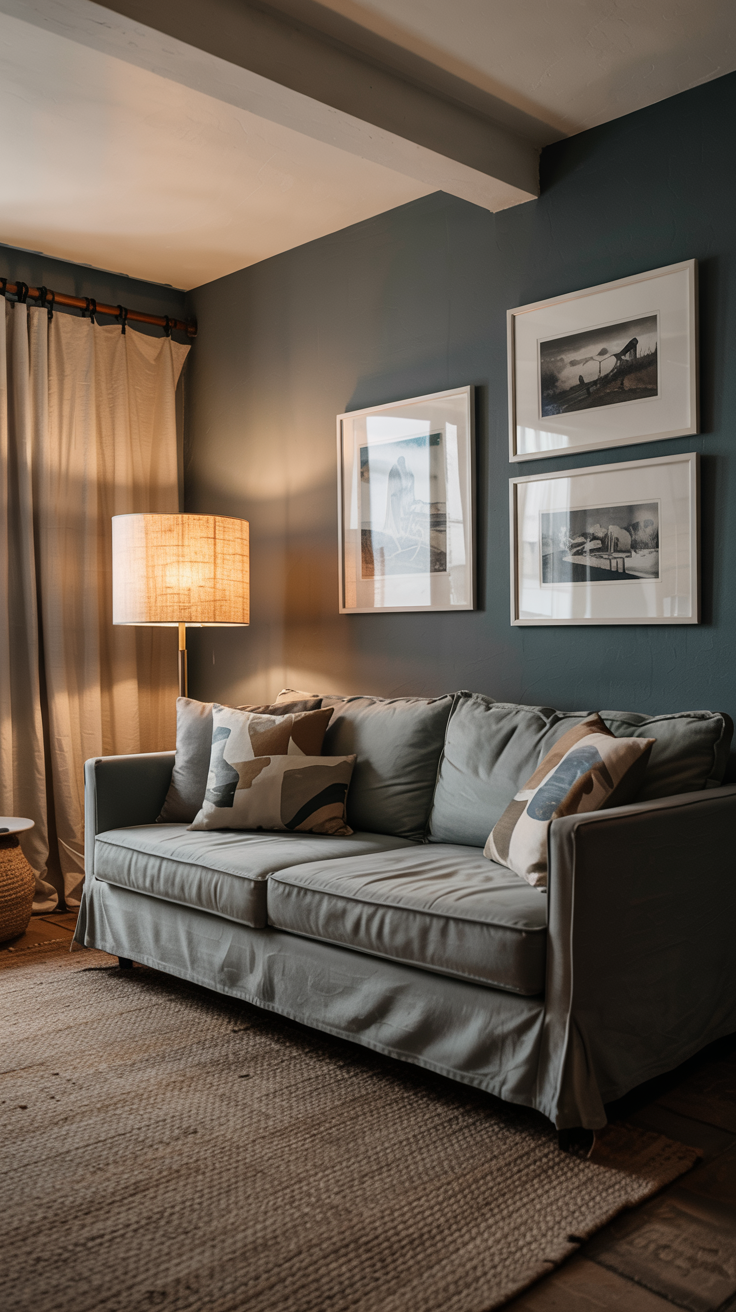
Your color scheme is the foundation of that "instant exhale" feeling we all want. While many people think a beach house color palette is limited to just white and bright, I love exploring the "moody" side of the coast, too.
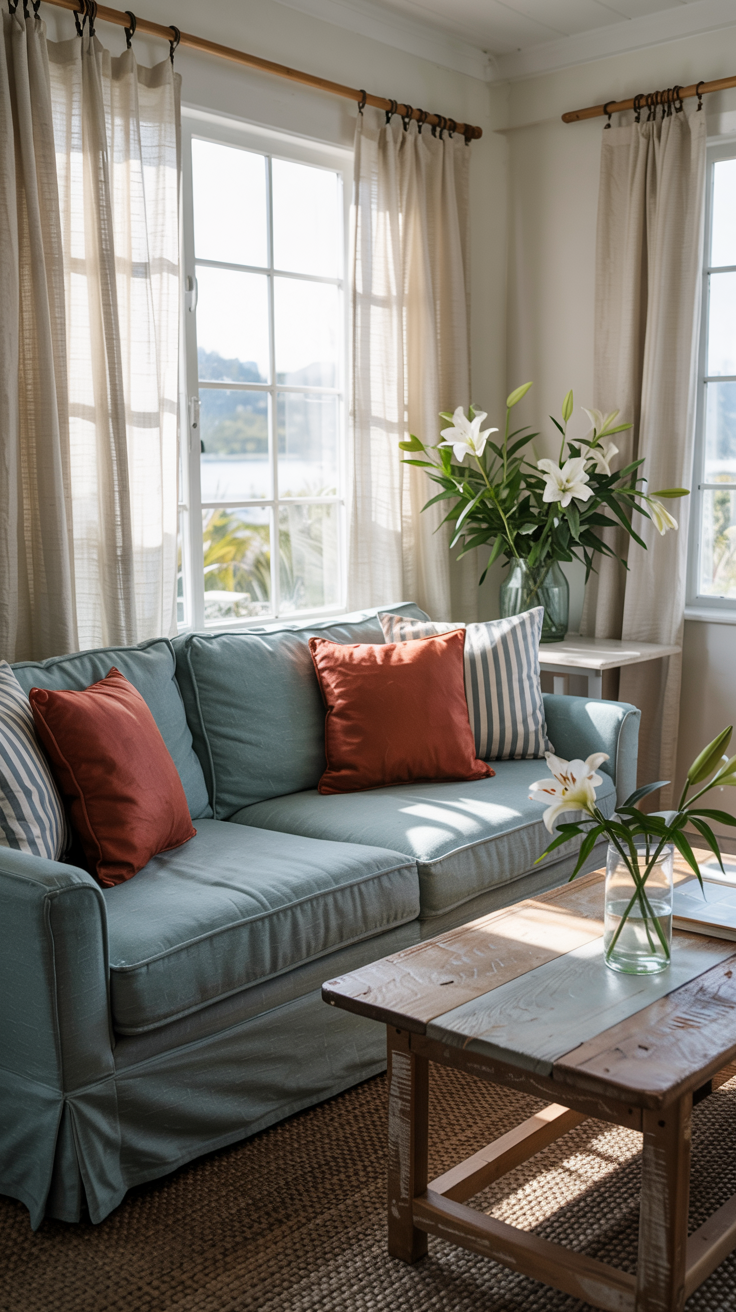
The trick is selecting coastal paint colors that reflect the natural landscape outside your window—from the pale foam of a breaking wave to the deep, salty navy of the Atlantic at dusk. Whether you want an airy living room or a dark and cozy retreat, your palette should feel intentional and cohesive.
Styling Tips for a Balanced Palette
The 60-30-10 Rule: This is my secret weapon! Use a neutral cottage interior color (like a creamy white) for 60% of the space, a secondary color (like a soft seafoam or sage) for 30%, and save your boldest accent (like a deep coral or navy) for the final 10%.
Test in Natural Light: Coastal colors are notorious for "shifting." A beautiful soft blue can look bright purple in certain lighting. Always paint a large swatch on your wall and watch how it changes from the morning sun to the evening "golden hour."
Mistakes to Avoid
The "Neon" Trap: Mistake to avoid: Choosing colors that are too saturated or "clean." For an authentic cottage feel, look for "muddy" or "dusty" versions of blues and greens. You want a color that looks like it has a drop of gray or beige in it to keep it feeling sophisticated rather than like a nursery.
Forgetting the Ceiling: Don't just leave the ceiling "stark white" if your walls are a soft cream. It can create a harsh line that makes the ceiling feel lower. Try painting the ceiling the same color as the walls, or go one shade lighter for a seamless, airy feel.
3. Casual Seating: Built for Real Life
In a cottage, furniture isn’t just for looking at—it’s for living in. I’m a huge advocate for coastal living room furniture that invites you to kick off your shoes and stay a while.
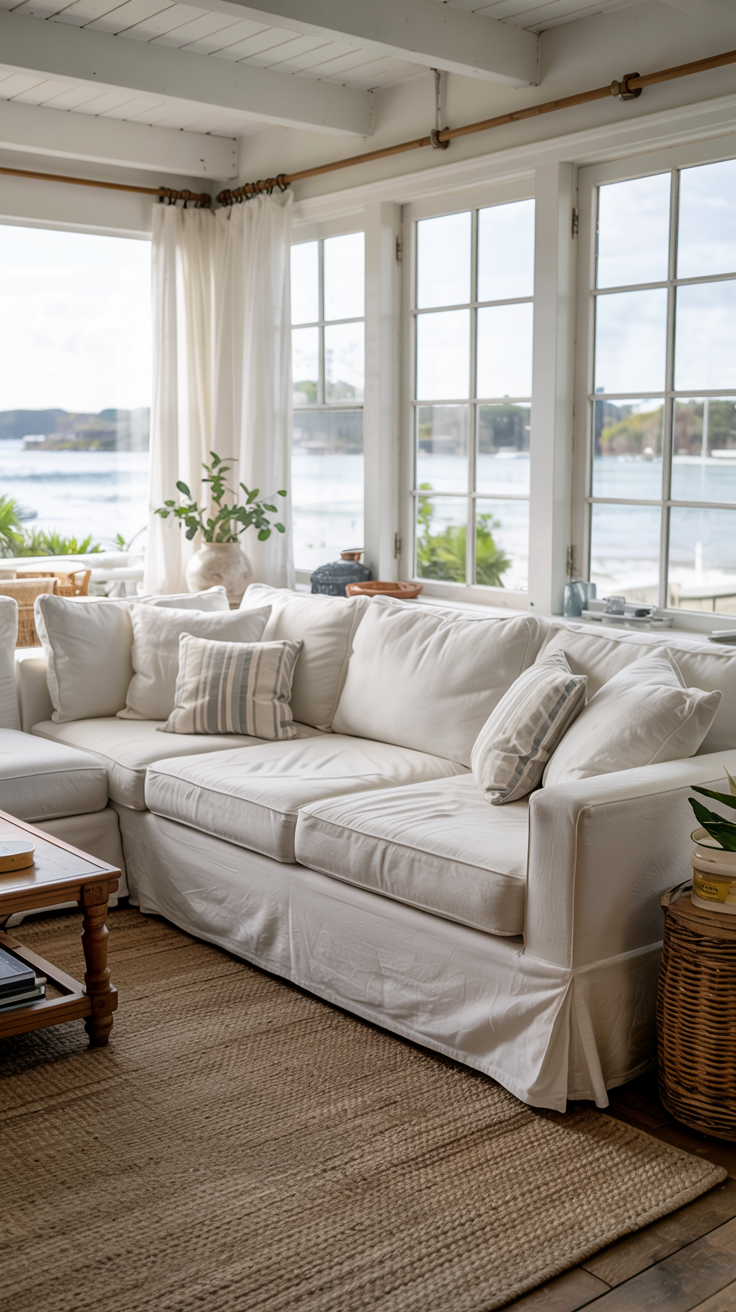
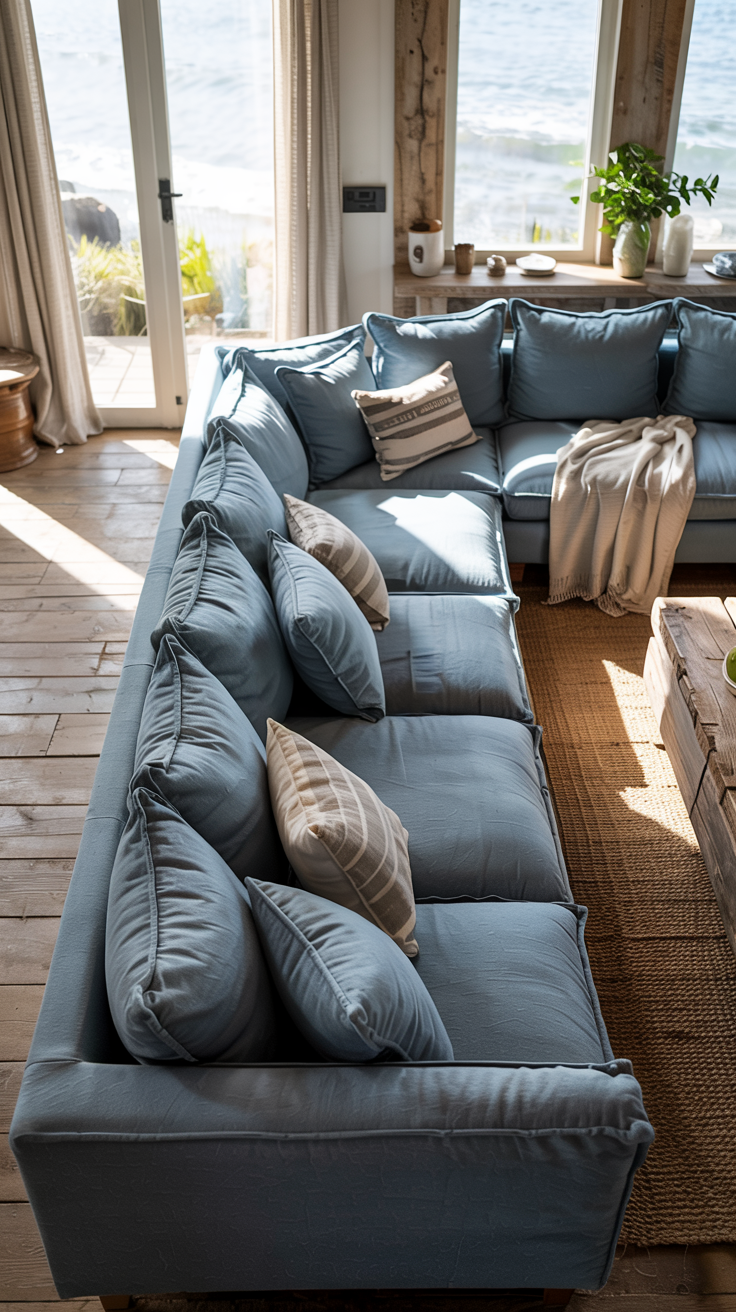
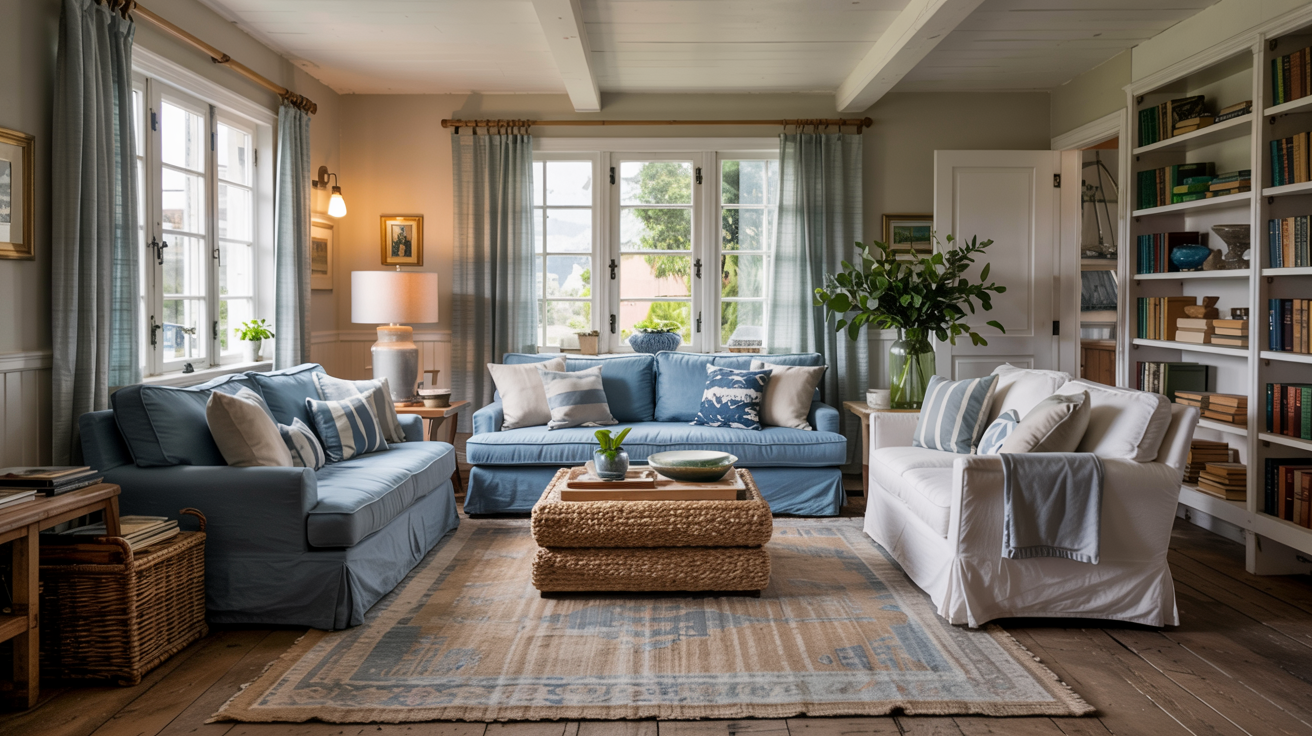
To get that high-end look without the stress, I always lean toward a white slipcovered sofa or a deep linen sectional sofa. This is where we bridge the gap between that "designer magazine" aesthetic and a comfortable cottage seating arrangement that can actually handle kids, pets, and the occasional spilled glass of wine.
Styling Tips for High-Comfort Seating
The "Washable" Advantage: If you love the look of a light-colored sofa but live in a busy household, look for performance fabric furniture. Better yet, choose a fully slipcovered piece. Being able to pull the washable couch covers off and toss them in the machine is the ultimate secret to keeping a white living room looking fresh.
Floating for Conversation: Instead of pushing all your furniture against the walls, try "floating" your sofa and chairs in the center of the room. This creates an intimate conversation zone and actually makes a smaller living room feel much more spacious and intentional.
Mistakes to Avoid
Choosing Style Over Scale: Mistake to avoid: Buying "dainty" or stiff furniture that looks pretty but feels uncomfortable. A coastal home should never feel formal. If the cushions are too firm to curl up on, it’s not the right fit for the cozy cottage vibe.
Ignoring the "Feet": Pay attention to the legs of your chairs and sofas. For a coastal feel, look for turned wood legs or hidden legs with a skirt. Avoid heavy, dark, or overly modern metal legs, which can clash with the relaxed, organic feel of the rest of the room.
4. Layered Textiles: The Secret to Cozy
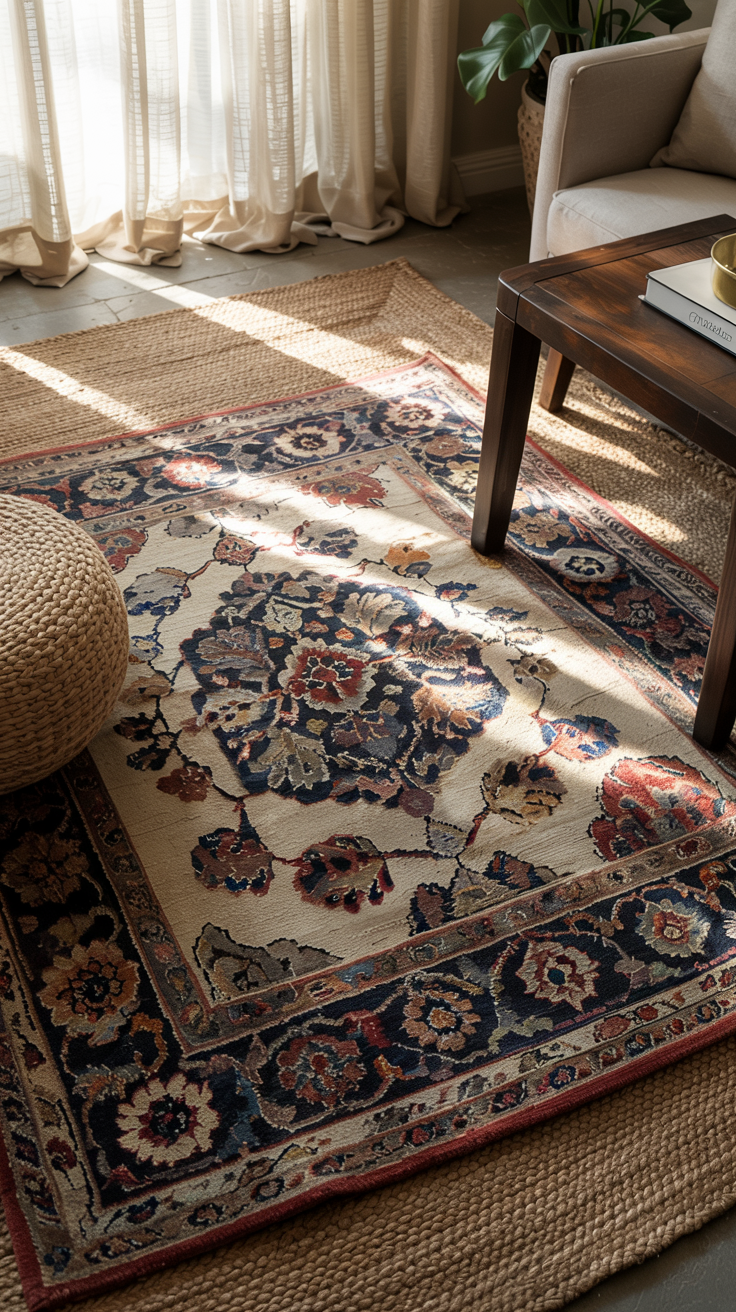
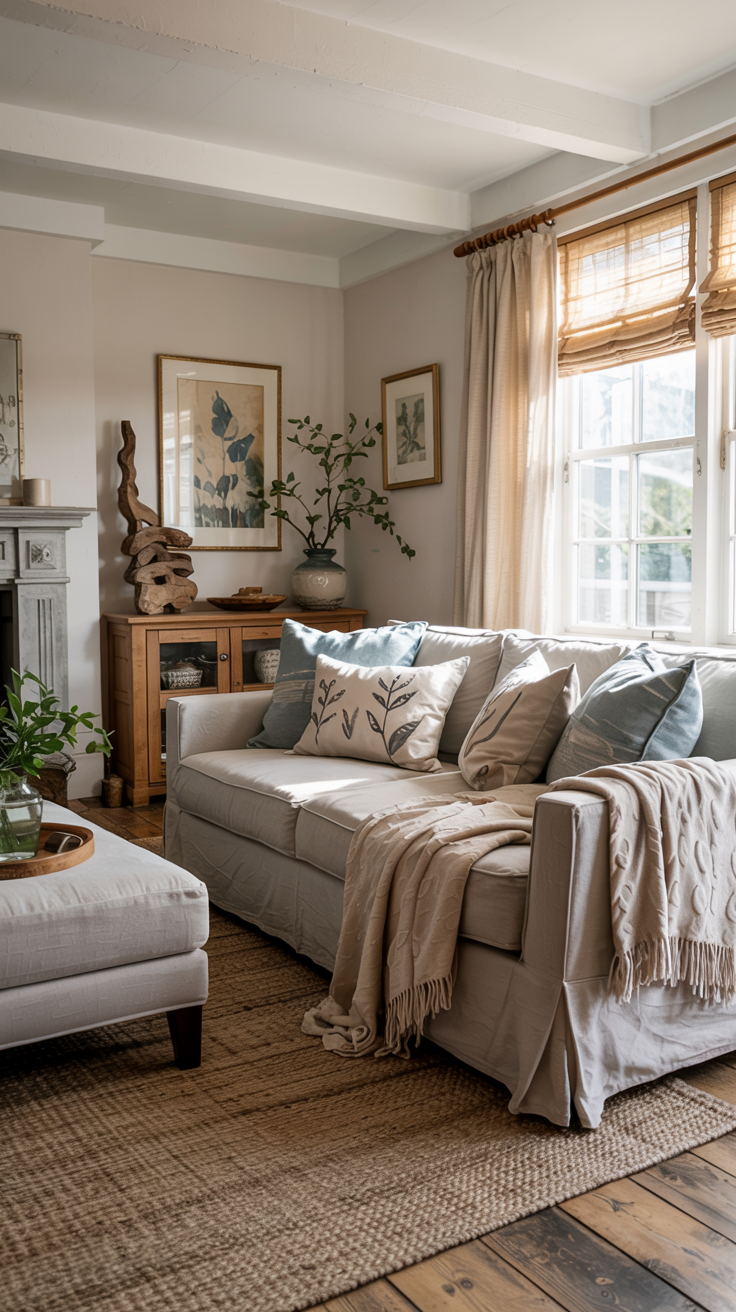
If your living room feels a little "flat" or cold, it’s likely missing texture. In a coastal cottage, we use textiles to add warmth and depth without cluttering the space. I love mixing different coastal textures—think a rough, organic sisal rug decor foundation paired with buttery-soft linen throw pillows.
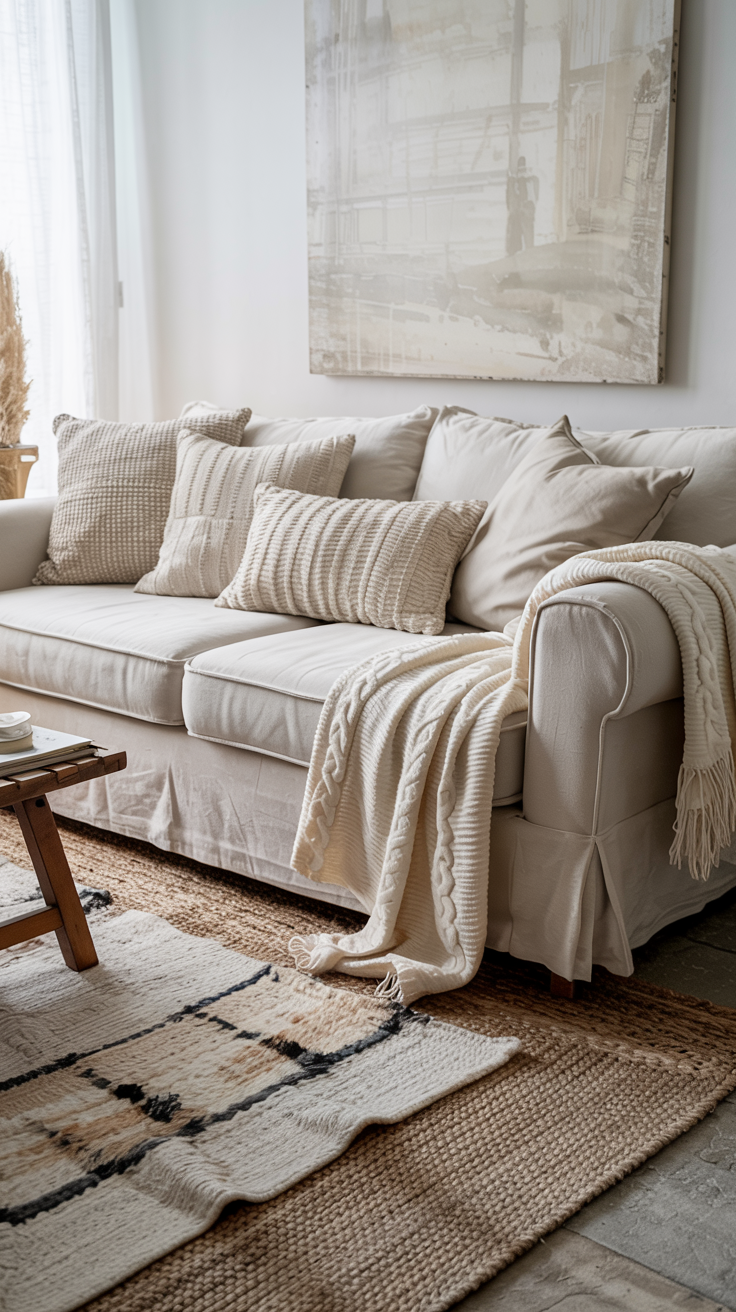
It’s all about creating a tactile experience that makes you want to sink in and stay a while. Using organic modern coastal materials is the easiest way to bridge the gap between "beach house" and "home."
Styling Tips for High-Texture Comfort
The Layered Rug Look: For that classic cottage vibe, start with a large jute rug layering base that fits all your furniture legs. Then, place a smaller, softer vintage rug or a textured wool rug on top to define your seating area. It adds instant designer "weight" to the room and feels amazing underfoot.
Vary Your Weights: When choosing cozy throw blankets for the living room, mix the scales. Pair a chunky, oversized cable knit throw with a lightweight waffle-weave cotton blanket. Having different weights available makes the room feel functional for every season.
Mistakes to Avoid
The "Too Small" Rug: Mistake to avoid: Buying an area rug that is too small for the space. If your rug looks like a "postage stamp" in the middle of the floor, it will make the whole room feel disconnected. Ensure at least the front legs of all your seating are resting on the rug.
Matching Your Pillows Exactly: Avoid buying the "matching set" of pillows that came with your sofa. To get a curated cottage look, mix textures like velvet, linen, and leather in the same color family. It’s the variety in the feel of the fabric that makes it look high-end.
5. Coastal Florals: Bringing the Garden Inside
I used to be a little hesitant about florals, but I’ve since learned that they are the secret ingredient to softening a room's straight lines. In a coastal home, we aren't talking about stuffy, dark patterns; we’re talking about modern cottage floral decor that feels like a breeze through a seaside garden.
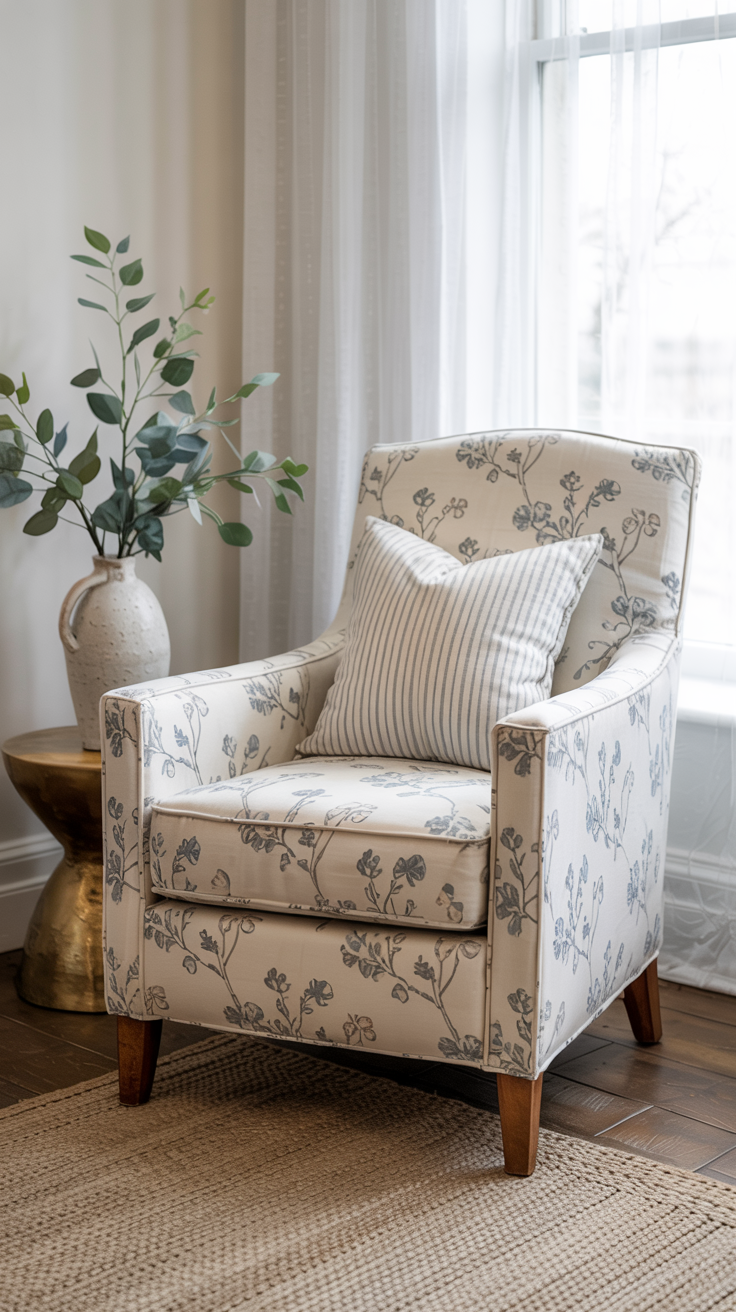
By incorporating coastal botanical prints and wildflower patterns, you can add a layer of organic beauty that makes your living room feel fresh, feminine, and timelessly cozy.
Styling Tips for Modern Florals
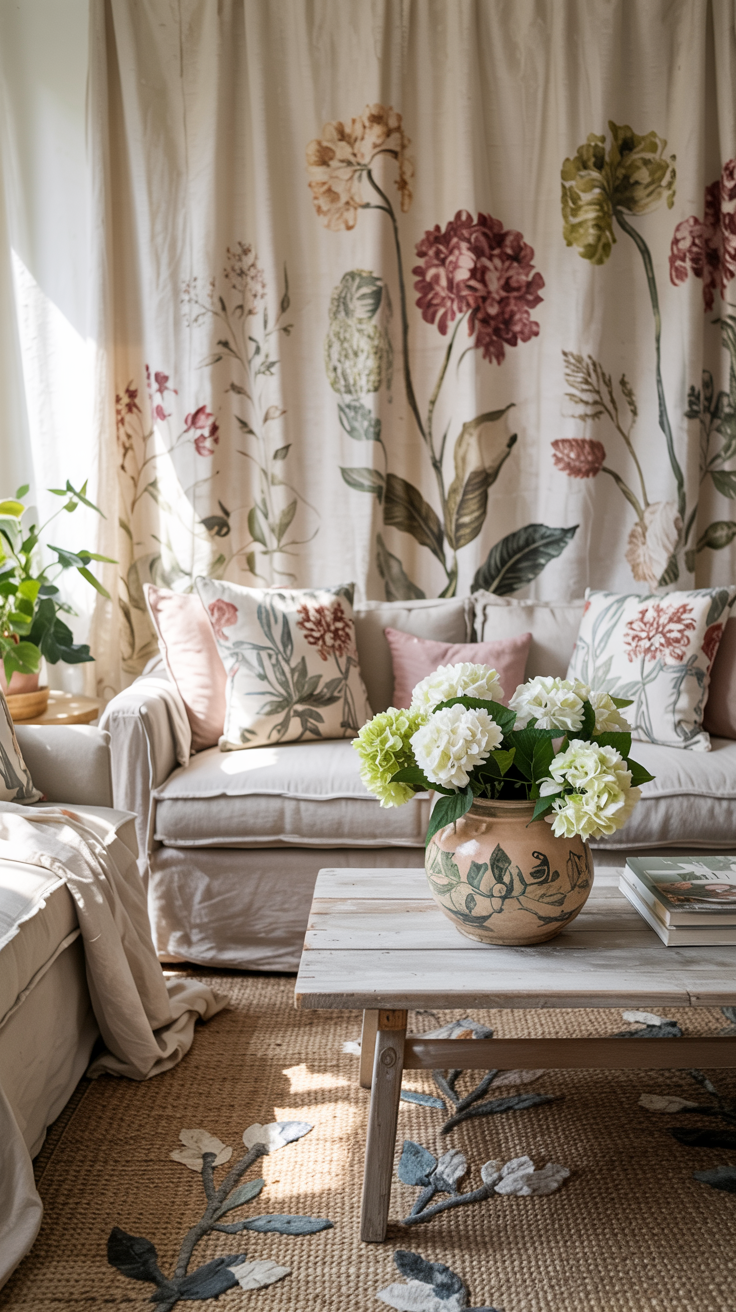
Mix Your Scales: The key to making florals look "designer" rather than "dated" is playing with scale. Try pairing a large-scale floral print on your coastal accent pillows with a very small, tight pattern like a pinstripe or a tiny check. This contrast keeps the eye moving and prevents the room from feeling too busy.
Bring in Live Stems: Don't limit your florals to fabrics! Place a few branches of eucalyptus or a simple bunch of white hydrangeas in a vintage vase. This cottage garden style indoors adds life and a natural scent that synthetic air fresheners just can't match.
Mistakes to Avoid
The "Theme" Overload: Mistake to avoid: Over-doing the floral patterns in one corner. If you have floral wallpaper, keep your sofa neutral. If you have a floral armchair, use solid-colored throws. You want the floral element to be a "breath of fresh air," not a heavy blanket over the whole room.
Choosing High-Contrast Colors: Avoid florals with stark, neon, or high-contrast backgrounds (like bright red or black). For a coastal vibe, stick to florals with soft, muted backgrounds like cream, sand, or misty blue. This ensures the wildflower patterns feel like a natural extension of your color palette.
6. Architectural Soul: DIY Board & Batten
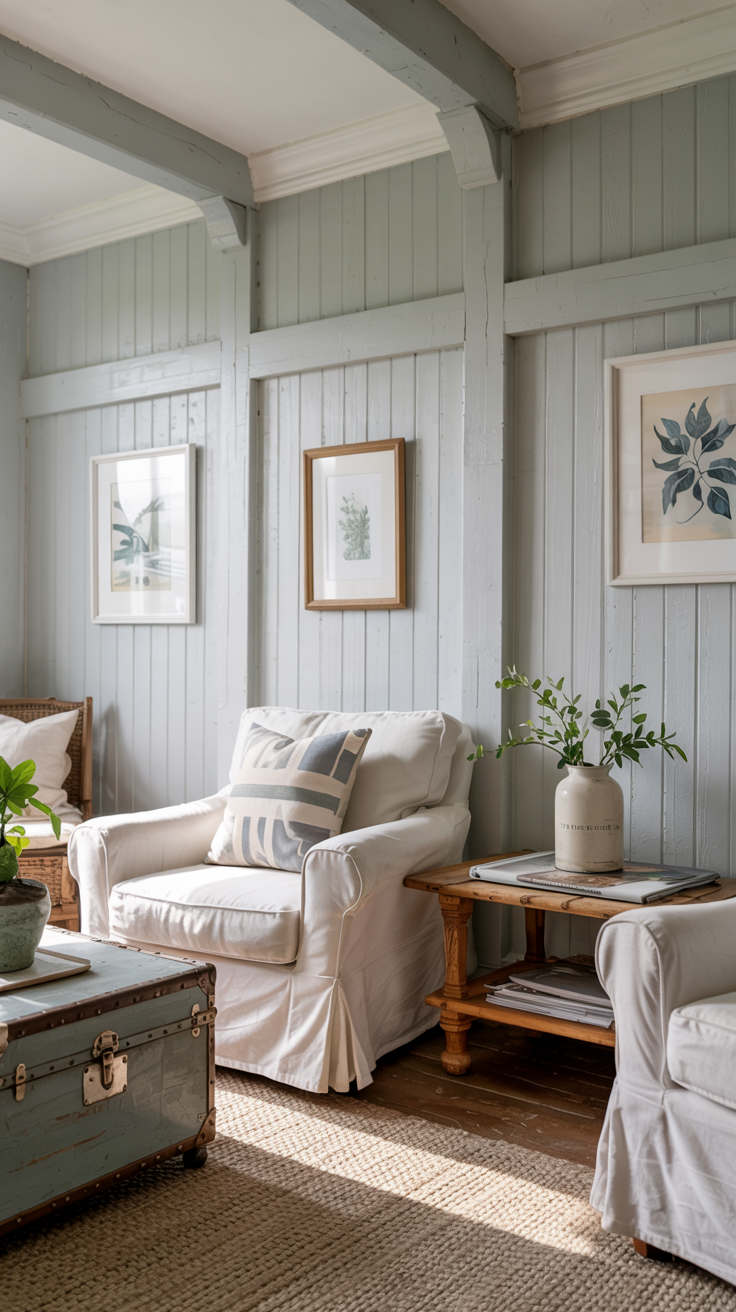
Sometimes a room just needs a little more "structure," and for me, a DIY board and batten tutorial was the answer. It’s one of the most budget-friendly coastal wall paneling ideas to add instant history and character to a standard "drywall box" room.
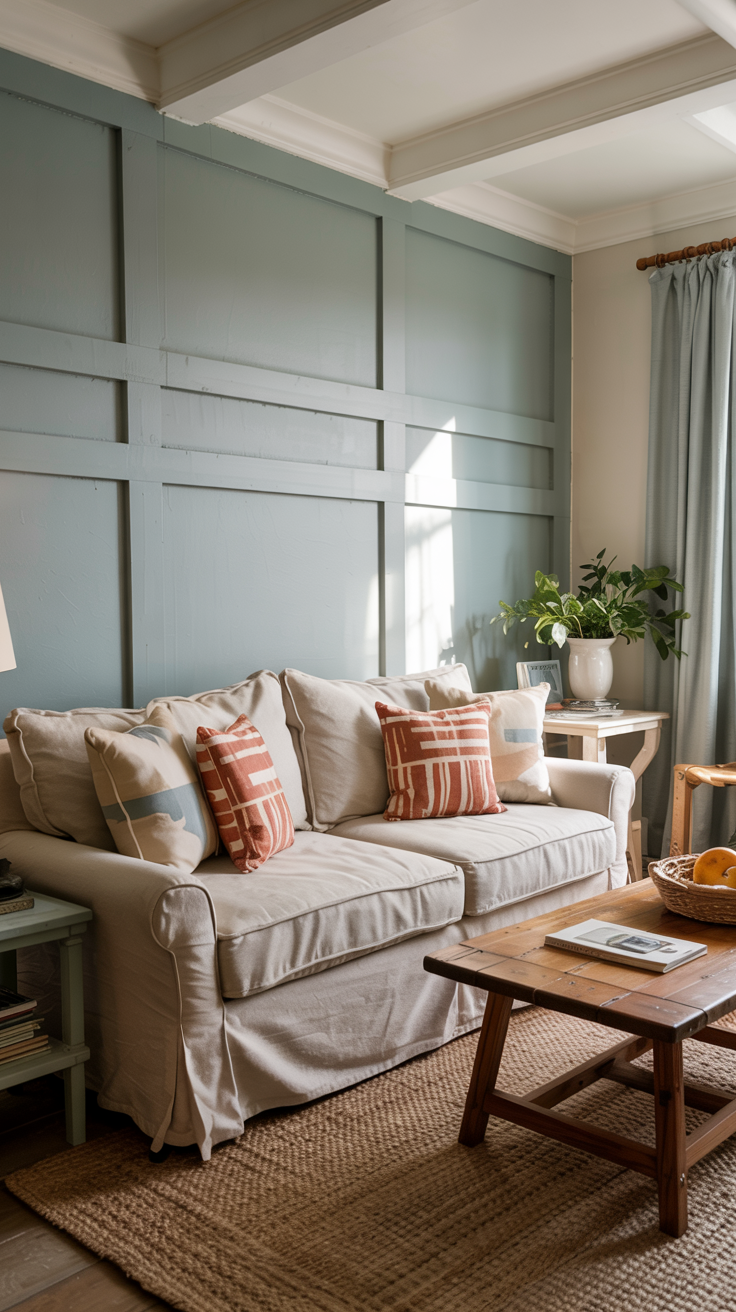
These cottage style wall moldings create beautiful shadows and clean lines that make even a small living room feel custom-built and high-end without the designer price tag.
Styling Tips for Coastal Walls
Play with Height: Don't feel restricted to the standard 1/3rd wall height. For a dramatic, cozy "hug" in the living room, try taking your board and batten up to 2/3rds of the wall or even floor-to-ceiling.
Beyond White: While "Crisp White" is a classic, try painting your paneling a soft, muddy green or a pale, misty blue. Using a satin finish on the molding against a matte wall in the same color creates a sophisticated, tonal look that screams "modern coastal."
Mistakes to Avoid
The Spacing Trap: The biggest mistake I see is uneven gaps between the vertical battens. DO NOT eyeball the distance! Always use a "spacer block" (a scrap piece of wood cut to your exact width) to ensure every section is identical.
Ignoring the Baseboards: If your vertical battens are thicker than your baseboards, they will "overhang" at the bottom and look unfinished. Make sure your molding is the same depth or thinner than your baseboard for a flush, professional finish.
Ready to Start Your Coastal Transformation?
If you’re feeling a little overwhelmed by all the options, here is my best piece of advice: Just pick one.
I didn’t create my dream living room overnight. I started with a fresh coat of white paint and a couple of soft blue pillows. Then I hunted for that vintage trunk. Then came the board and batten.
The beauty of coastal cottage style is that it’s meant to feel collected over time, not like a page out of a catalog you bought all at once.
You don't need a massive budget or a house on the sand to create a space that feels like a deep breath. You just need a little intentionality and a lot of texture!
I’d love to hear from you!
Which of these 15 essentials are you dying to try first? Are you team "light and airy" or are you leaning into those moody coastal blues? Drop a comment below and let’s chat! I’m always looking for new ideas, and I’d love to hear how you’re making your space your own.
And if you found this helpful, pin it for later so you have this checklist handy for your next weekend project!
Top 15 Must Haves To Create The Coziest Coastal Cottage Living Room (+30 Inspo Pics)
Frequently Asked Questions: Coastal Cottage Style
How do I make my living room look coastal on a budget?
The best way to get the look for less is to start with a fresh coat of white or soft blue paint (it’s the most affordable high) impact change you can make. I also recommend hunting at estate sales and Facebook Marketplace for vintage trunks or weathered wood pieces. You can also use "free" decor like collected driftwood or shells to add an authentic touch without spending a dime!
What is the difference between coastal and nautical style?
While they share some colors, they are actually quite different! Coastal style is more about the feeling of the beach. It’s relaxed and organic, using natural textures like jute, linen, and soft, sea-inspired colors. Nautical style is more literal and themed, often featuring anchors, ship wheels, and bold navy and red stripes. Think of coastal as a "breezy afternoon on the shore" and nautical as "sailing on the open sea."
Can coastal cottage style work in a small living room?
Absolutely! In fact, the light and airy nature of coastal decor can make a small room feel much larger. To maximize space, I recommend hanging your curtain rods high and wide to draw the eye up, using mirrors to reflect light, and choosing multi-functional furniture like a storage ottoman or a vintage trunk coffee table.
What are the best paint colors for a coastal living room?
I always recommend starting with a soft, neutral base. My favorites are powdery blues, seafoam greens, and sandy tans. If you want a more "moody" coastal vibe, don't be afraid of a deep navy or a dusty sage. I always follow the 60-30-10 rule: 60% neutral base, 30% secondary color (like blue), and 10% accent color (like coral or rust).
Is slipcovered furniture practical for families?
Yes! In my opinion, it’s the only way to go for a coastal home. Choosing a slipcovered sofa in a washable performance linen or cotton means you don't have to stress about kids or pets. You get that high-end white or neutral look, but you can simply toss the covers in the wash whenever they need a refresh.