
How I Designed My Cottagecore Bedroom: The Essential Thrifting & Layering Guide
This post may contain affiliate links. If you make a purchase through one of my links, I may receive a small commission at no cost to you.
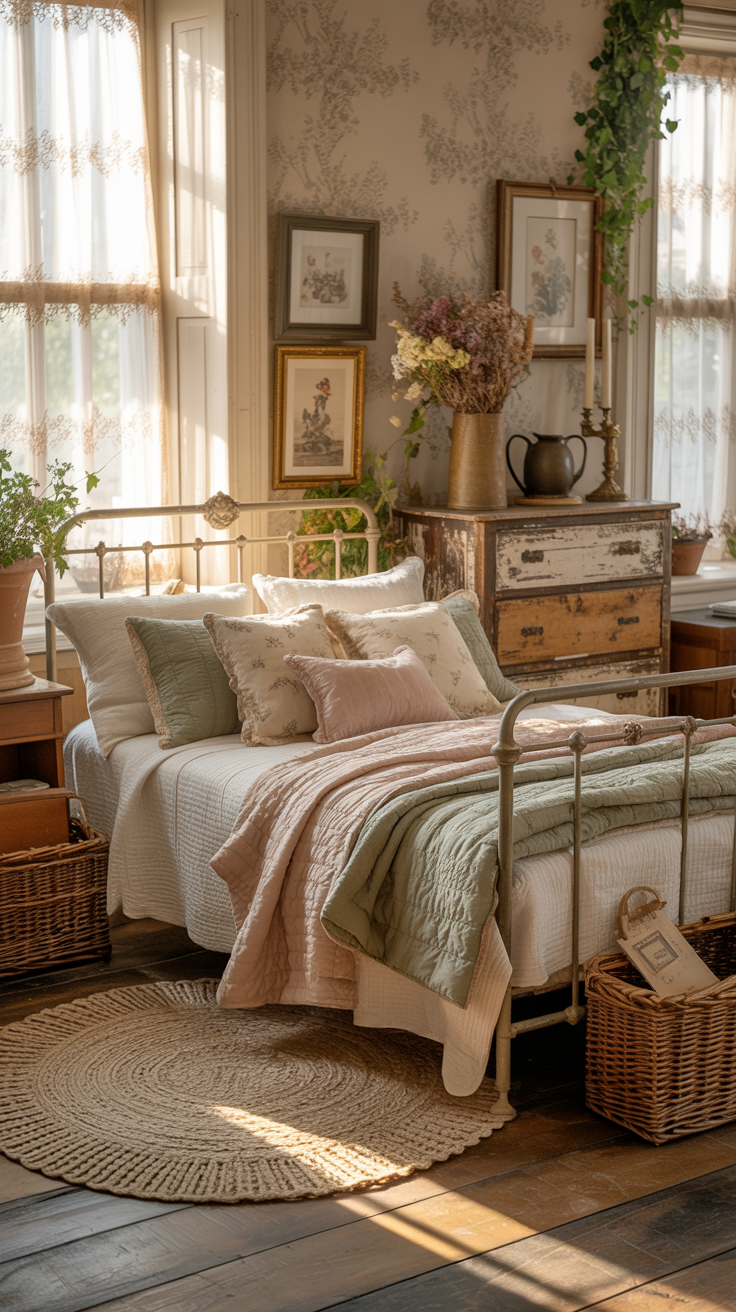
Oh, how I adore the cottagecore aesthetic! It’s not just a decorating trend for me; it’s a full-on passion.
I think of it as my little personal protest against the fast pace of modern life. A way to step into a romantic, idealized vision of simple country living, filled with overgrown gardens and endless coziness.
If you’re looking to transform your bedroom into a true sanctuary that feels straight out of a fairytale, you’re in the right place.
Let me walk you through exactly how I brought the whimsical, earthy cottagecore vibe into my own sleeping space.
Step 1: Thrifting the Foundations
When I started this project, I realized the first step was rejecting anything too sleek or store-bought-looking. Cottagecore is all about items that feel loved, worn, and deeply connected to the past. This is where my thrifting guide begins!
I Look for Rustic Wooden Furniture
I want my furniture to tell a story! Instead of modern pieces, I’ve scoured antique shops for solid, distressed wooden pieces.
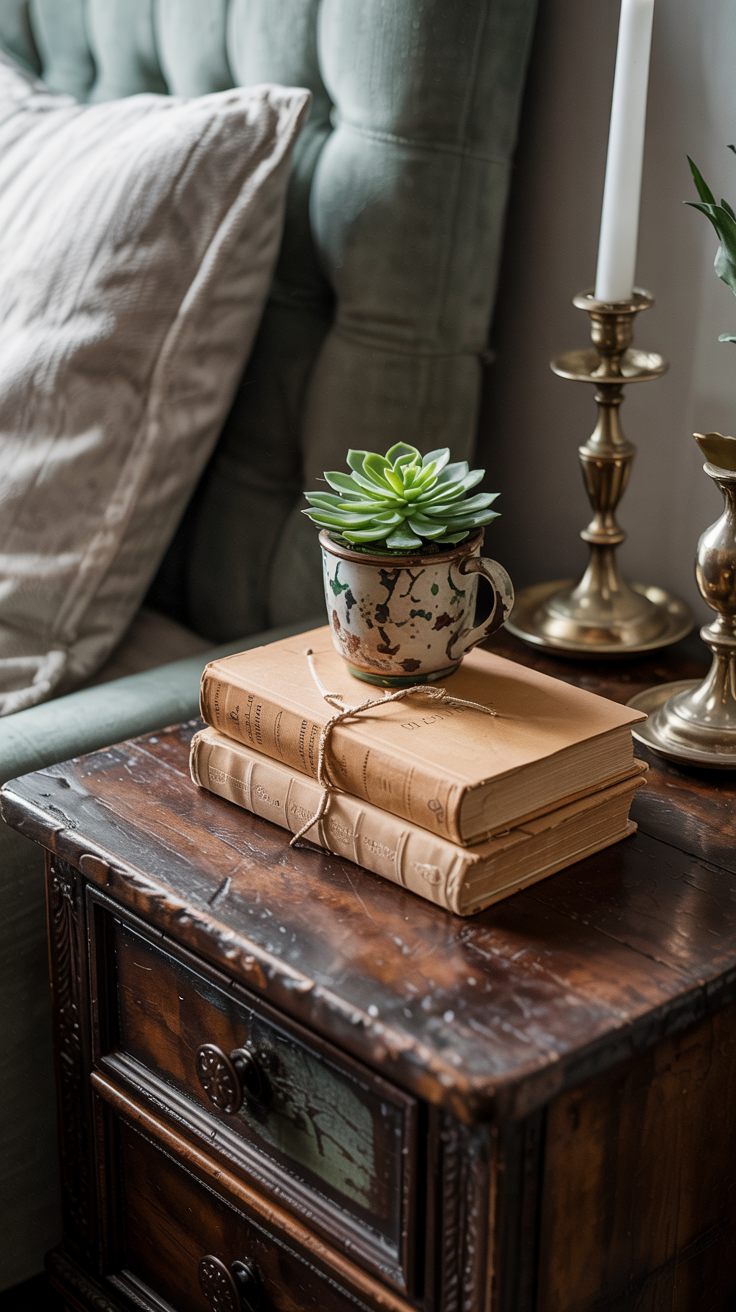
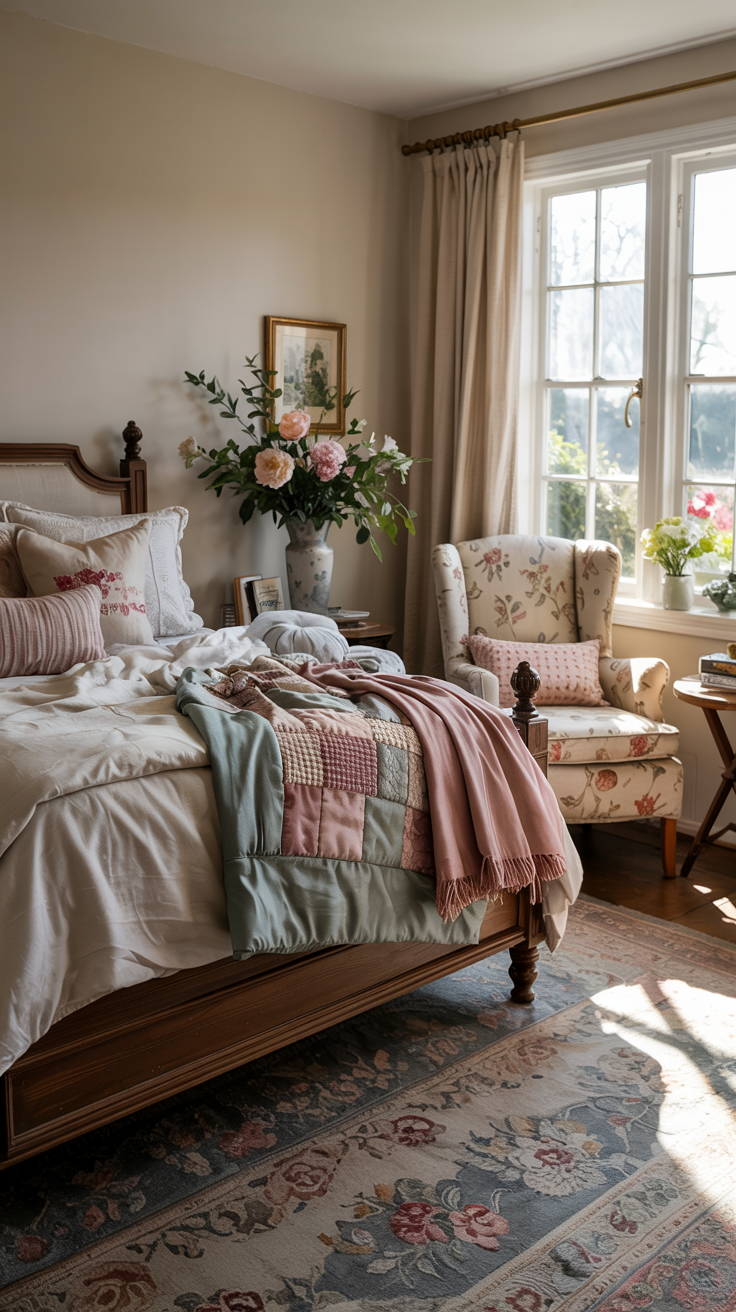
My Bed Frame: I went for a sturdy, dark wood frame with a slightly carved headboard. You could also choose an antique wrought-iron frame; either way, it needs to feel substantial.
Storage & Accents: I’m a huge fan of using an heirloom blanket chest or a small, vintage dresser instead of a regular nightstand. I always prioritize wood that has visible grain and a little patina of age.
Material Focus: When thrifting, prioritize natural wood, linen, wicker, and woven materials over plastic or chrome.
My Thrifting Checklist for Small Treasures
This is the fun part! If an item looks like my grandmother might have owned it, it’s coming home with me.
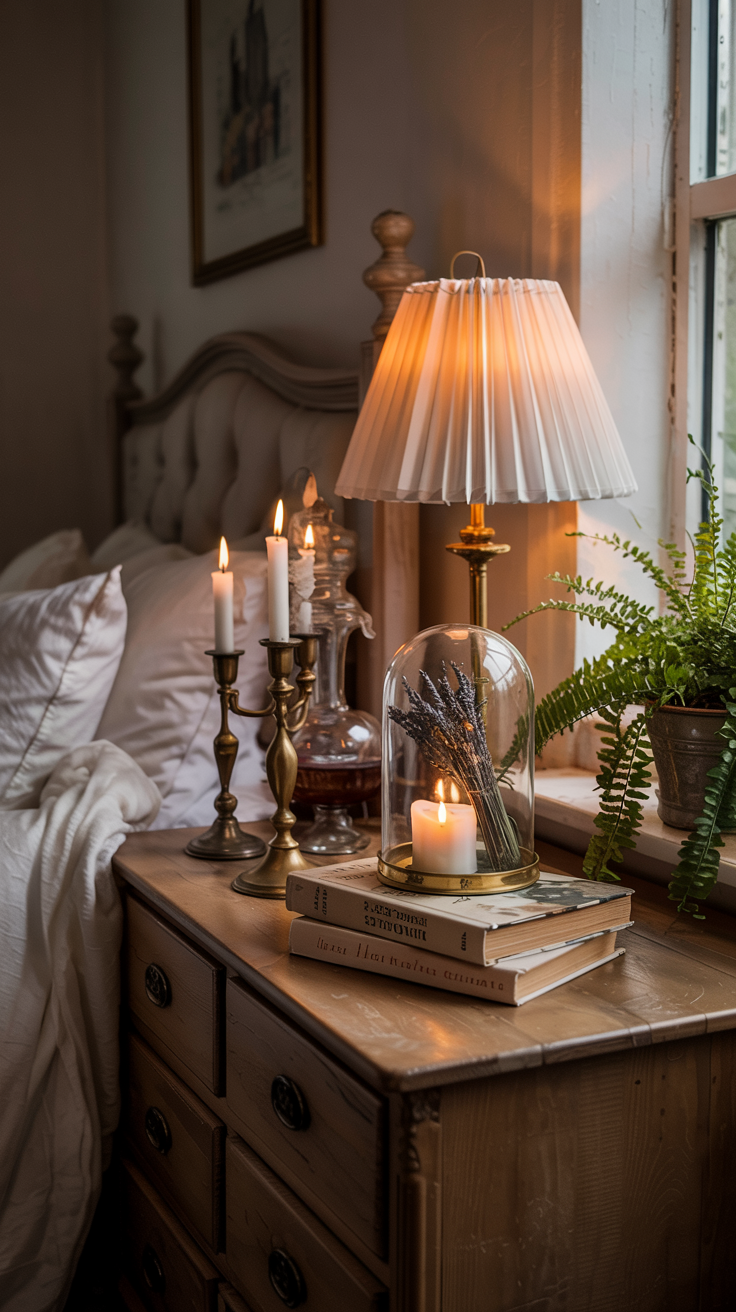
Lamps: I look for antique or vintage bases with soft, pleated fabric shades or milk glass.
Containers: I love finding unique ceramic planters, brass candlestick holders, or old wooden boxes for storage.
Art: I search for framed botanical prints or soft, impressionistic landscape paintings.
Step 2: Choosing My Enchanted Color Palette
When I think about the colors, I picture a shaded forest floor or an English garden after a soft rain. It’s definitely a softer, mossier vibe than a bright, airy look.
The Calming Neutrals (My Base)
I use soft, muted colors for the main parts of the room, avoiding anything too stark or modern. These are the shades that make the room feel immediately cozy.
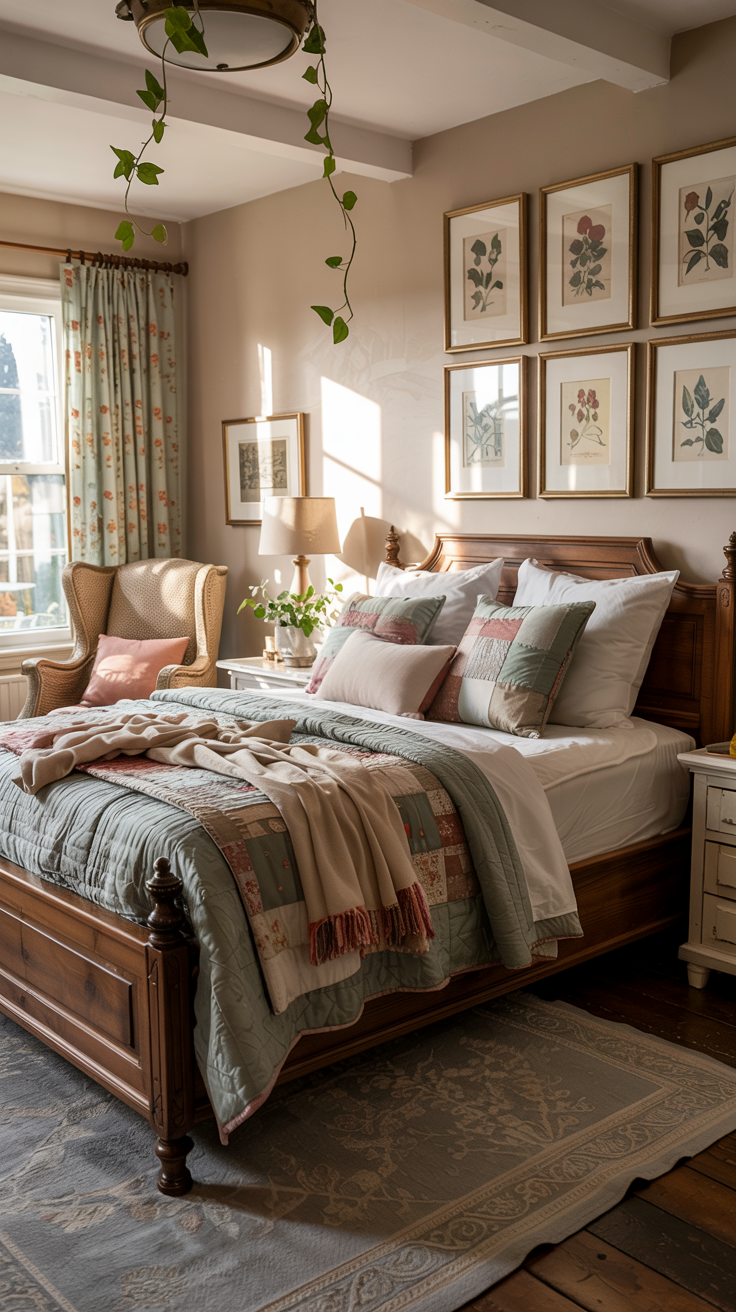
Colors: Cream, Ivory, Soft Linen, and Tan.
Where I Use Them: Walls, the main duvet or comforter, and large furniture pieces.
The Enchanted Accents (Bringing the Garden In)
These are the colors I use to bring in that natural, earthy feel. They should feel a little faded, like they've been kissed by the sun.
Colors: Moss Green, Sage, Terracotta, and Dusty Rose.
Where I Use Them: Throw pillows, accent rugs, curtains, and small decorative items like ceramic planters.
Soft Pops of Color (The Whimsical Touches)
I use these sparingly, mostly within my floral patterns, to keep things whimsical but not overwhelming.
Colors: Buttery Yellow and Light Periwinkle.
Where I Use Them: Tiny floral prints, embroidered details, and little accents like book spines or unique ceramic mugs.
Step 3: Layering for Supreme, Whimsical Coziness
If my bed doesn't look like a fluffy, irresistible cloud, I haven't finished decorating! Cottagecore is all about embracing intentional maximalism when it comes to textiles. This is my essential layering guide.
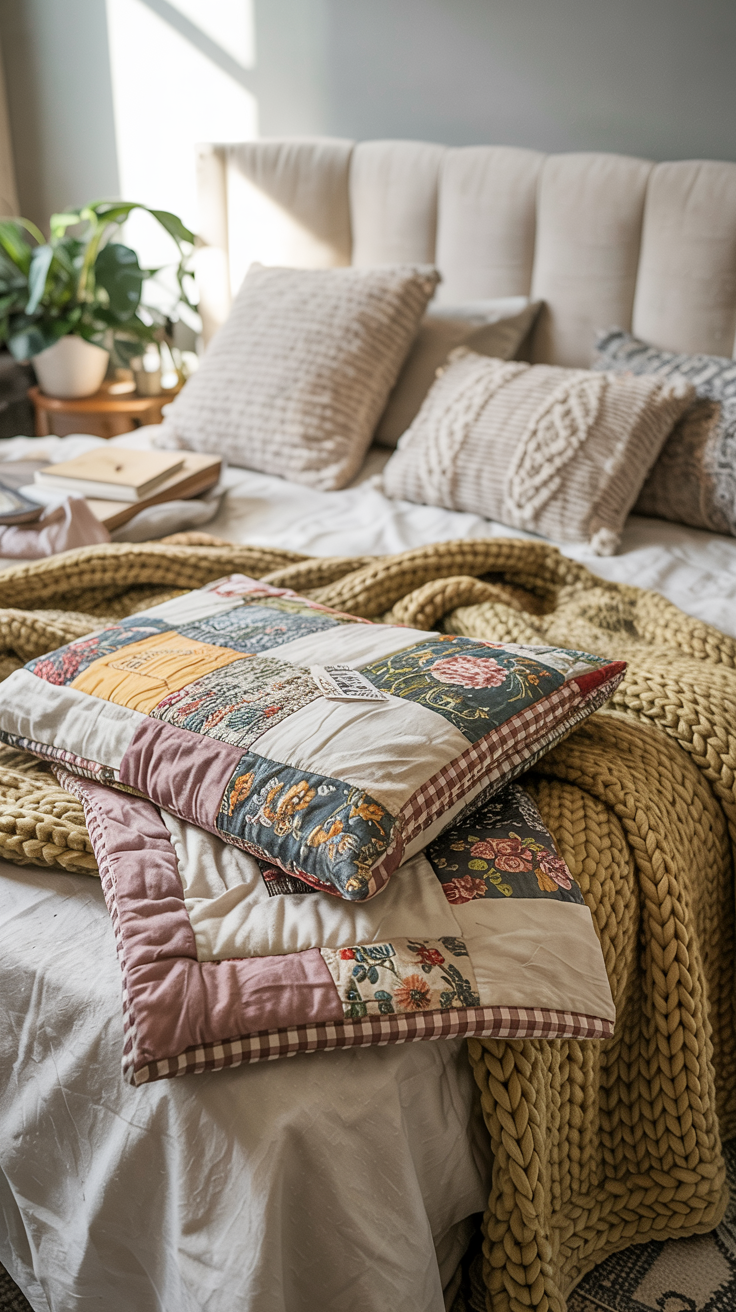
Making the Perfect Cloud Bed
I start with a soft linen duvet (mine is sage green), and then I just pile on the goodness:
Quilts are a Must: I drape a patchwork quilt over the foot of the bed, or sometimes a thick, chunky knit throw blanket. The more texture, the better.
Mix-and-Match Patterns: This is crucial. I like to pair a classic, small-scale floral print with a simple gingham or plaid pattern on my throw pillows. It keeps things interesting and homey.
The Pillow Pile: I use pillows in various sizes and textures—velvet, corduroy, wool. Don’t worry about them matching perfectly! It should look like a curated, lived-in collection.
Grounding the Room
I always use an area rug with character. A slightly faded, vintage-style rug instantly adds warmth and makes the space feel cozier and more grounded than bare floors.
Step 4: The Magical Final Touches
These specific accents turn the room from merely "cozy" to truly enchanted—it’s all about the nature-inspired details.
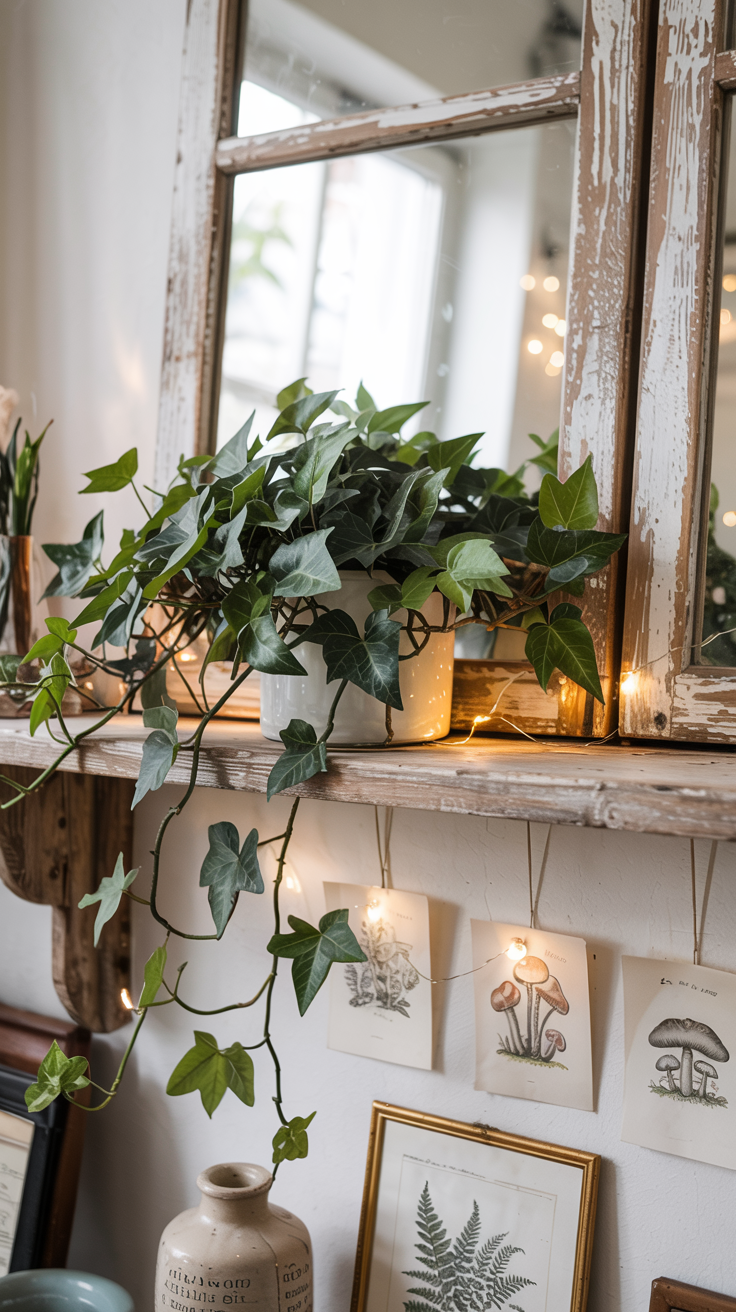
Bringing the Outdoors In (My Favorite Part)
This is non-negotiable for my cottagecore look.
The Plants: I focus on trailing ivy, ferns, or pothos that spill dramatically over the edges of my bookshelves or windowsill. I use terracotta pots or vintage teacups as planters.
Dried Florals: I love gathering dried flower bouquets (lavender is perfect!) and hanging them. And framing pressed flowers? Instant cottage charm!
Soft, Dreamy Lighting & Details
I absolutely banned harsh overhead light. My lighting has to be warm and gentle.
Fairy Lights: This is my little secret weapon! I string tiny, warm-toned fairy lights around my headboard. It casts the most magical glow in the evening.
Nostalgic Vignettes: I love surrounding myself with things that make me feel like I’m ready to sit down and write a poem. I’ll stack worn, antique books, display my little collection of teacups, or set out a pretty sewing basket.
Things To Remember…
Creating my cottagecore bedroom wasn't about following strict rules; it was about curating a space that genuinely feels unique to me and what I find sentimental.
By focusing on intentional thrifting for pieces with history, mastering the art of cozy layering, and surrounding myself with nature and soft light, I’ve built a peaceful, enchanted sanctuary.
I truly hope these essential steps help you create your own little cottage haven!
I’m always looking for new inspiration! Would you like me to find some images of layered floral bedding and vintage iron bed frames for you?
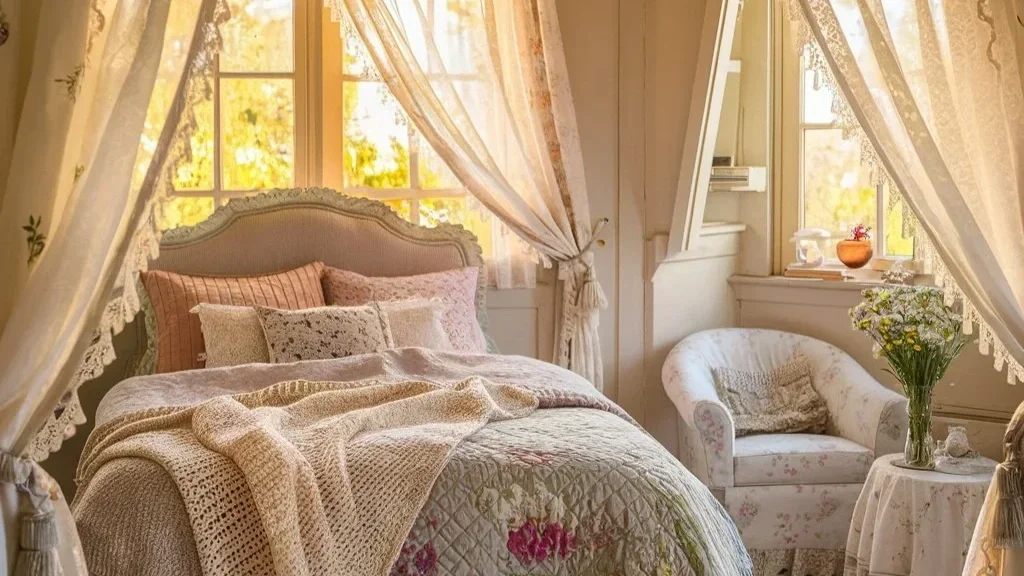
The Best Vintage Cottage Decor Ideas for Your Cozy Home
Cottagecore Bedroom Frequently Asked Questions (FAQs)
Here are the answers to some common questions I get about making the cottagecore aesthetic work in a real bedroom!
Q: Does cottagecore only work if I have a small, rustic room?
Absolutely not! While the aesthetic idealizes small cottages, you can bring the same feeling to a larger space. The trick is to create zones using rugs and furniture, and to layer aggressively. The more layers (quilts, curtains, pillows), the more intimate and cozy any space—big or small—will feel.
Q: Is it okay to use some modern furniture if I can't afford all vintage pieces?
Totally! I mix my pieces all the time. If you have a piece of modern furniture (like a simple bookshelf or dresser), you can "cottagecore" it up by:
Painting it a soft color (like sage green).
Replacing the hardware with brass or ceramic knobs.
Draping a crocheted runner or a piece of ivy over the top.
Q: What's the difference between "Farmhouse" and "Cottagecore"?
Farmhouse usually has very clean lines, lots of shiplap, and a focus on crisp whites and black. Cottagecore is softer, more romantic, and messier! It embraces faded colors, mismatched patterns, antique-looking clutter, and a whimsical, overgrown feel, often drawing on deep greens and florals, rather than just neutrals.
Q: My room is really dark. How can I still achieve the look without natural light?
Dark rooms actually work perfectly for a moodier cottagecore vibe (sometimes called "Goblincore" or "Dark Cottagecore"). Lean into it!
Use warm, amber-toned lighting (fairy lights and table lamps are essential).
Choose a deeper color palette, focusing on forest green, burgundy, and dark wood tones.
Focus heavily on velvet and chunky knit textures to absorb the light and create a soft cocoon.