
10 Coastal Cottage Garden Ideas: Expert Plant Lists, DIY Projects & Design Tips
This post may contain affiliate links. If you make a purchase through one of my links, I may receive a small commission at no cost to you.
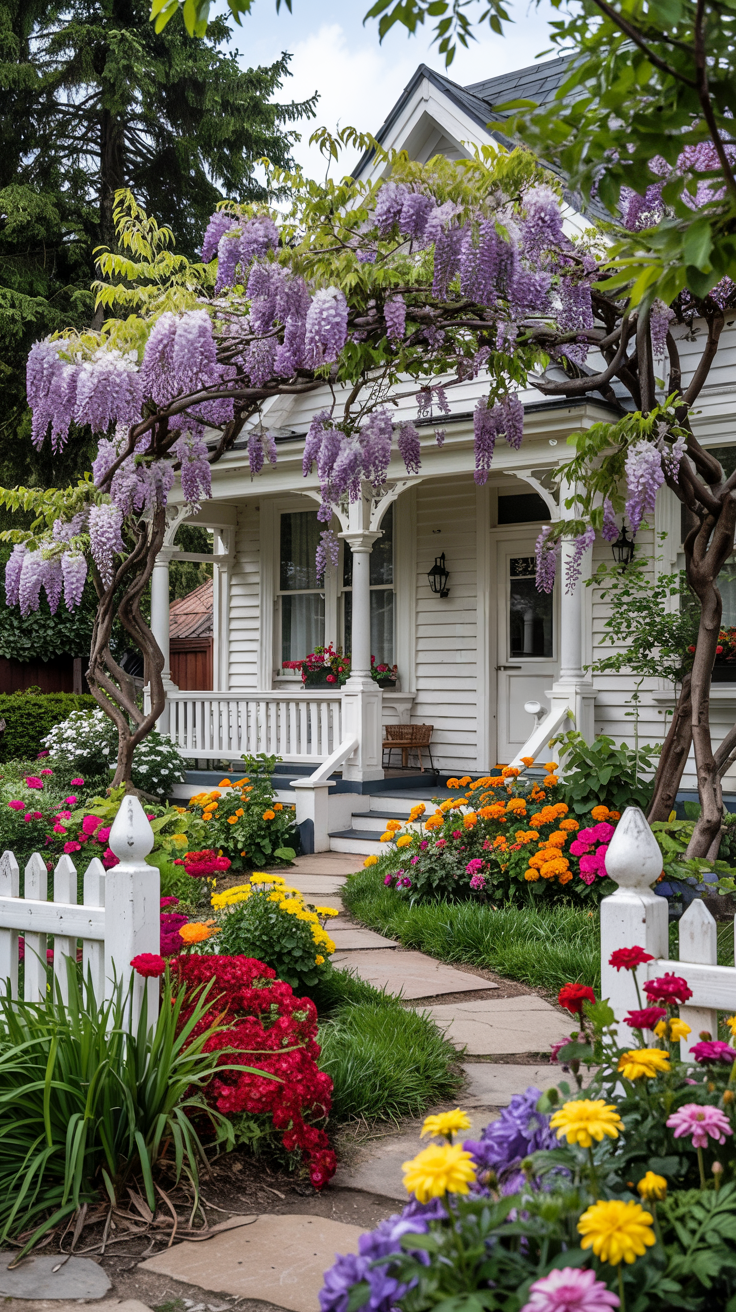
I've always been captivated by coastal cottage gardens. There's something magical about creating a beautiful outdoor space that actually thrives in salty air and sandy soil. If you're dreaming of your own seaside garden but aren't sure where to start, I'm here to share some of my favorite coastal garden ideas that are as practical as they are stunning.
What I love most about coastal landscaping is that it doesn't have to be high-maintenance. The best beachfront gardens work with nature, not against it, using hardy plants like lavender, sea thrift, and beach grasses that actually love those challenging coastal conditions. Whether you live right on the water or just want to bring some of that relaxed seaside vibe to your backyard, I've rounded up 10 gorgeous coastal cottage garden designs that'll inspire you.
From wild, windswept borders to cozy herb gardens and drought-friendly succulent patches, I'm sharing examples of how you can create your own outdoor space of coastal paradise. No matter where you call home.
Key Takeaways
Choose plants that love the coast. I always recommend salt-tolerant varieties like lavender, rosemary, sea thrift, and native grasses that won't just survive but actually thrive in salty air and sandy conditions.
Let natural materials do the heavy lifting. Driftwood, weathered stones, seashells, and reclaimed wood instantly give your garden that authentic coastal feel while adding gorgeous texture.
Ditch the perfectionism. The best coastal gardens have a relaxed, natural flow where plants grow freely and sway in the breeze. Trust me, the "windswept" look is what you're going for!
Go low-maintenance with succulents and grasses. If you're dealing with drought conditions or just want an easy-care garden, pairing seagrasses with succulents creates stunning visual interest without constant watering.
Make it functional AND beautiful. Your coastal garden can work double duty, whether you're growing fresh herbs for cooking, harvesting veggies, or creating a private courtyard hideaway for morning coffee.
1. Wild and Free Coastal Cottage Garden
A wild and free coastal cottage garden embraces the natural, windswept beauty of seaside landscapes. This style features hardy perennials like lavender, sea thrift, and echinacea planted in loose, flowing layouts that let the ocean breeze shape their growth. Think untamed beauty with driftwood accents, weathered stones, and native grasses swaying in the wind.
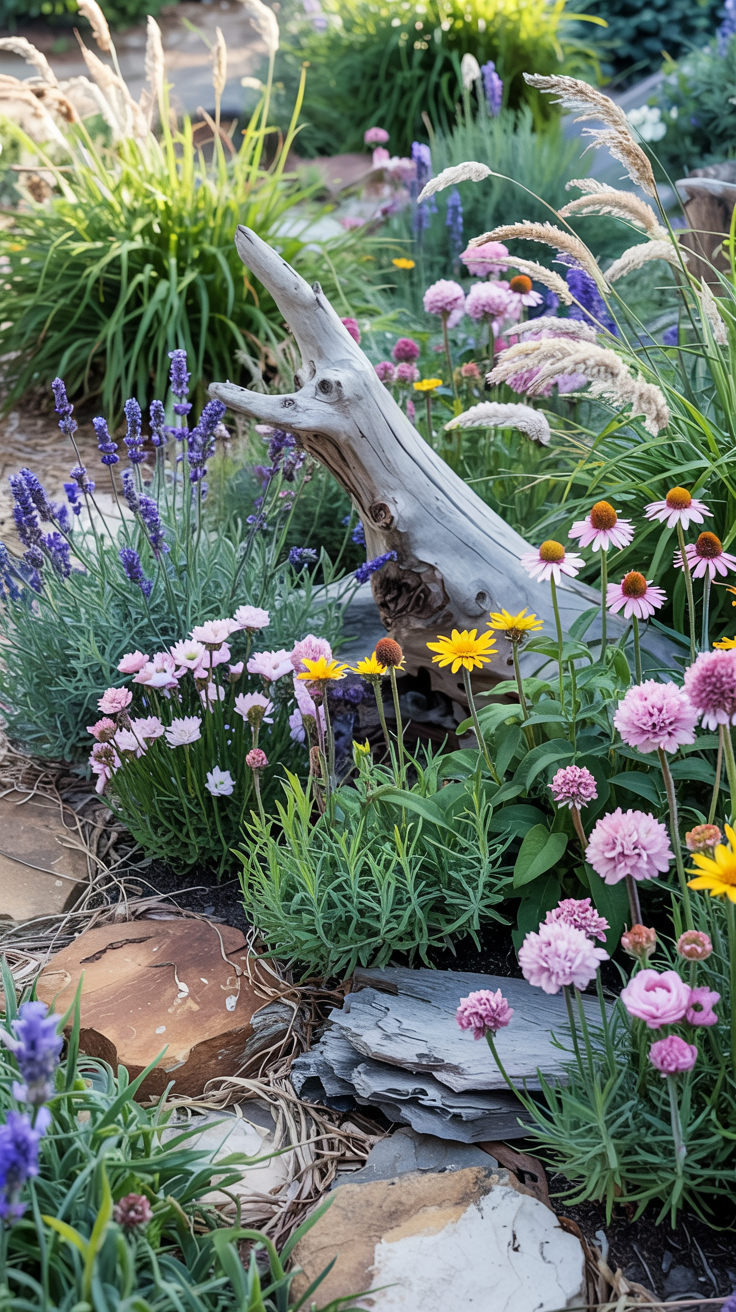
Credit: Judy Acosta/Oak Island, NC
How to Recreate This Look
Start by choosing a planting scheme that mimics natural coastal dunes. Plant in irregular clusters rather than straight rows, allowing space between plants for natural movement. Incorporate switchgrass or sea oats to add height and motion. Let your plants self-seed and spread naturally for that effortlessly wild appearance.
What You'll Need to Buy
Salt-tolerant perennials (lavender, sea thrift, echinacea, Russian sage)
Native coastal grasses (switchgrass, sea oats, maiden grass)
Weathered stone or river rock for pathways
Organic mulch or sand for ground cover
Optional: driftwood pieces for natural accents
DIY Projects for This Garden
Create a driftwood garden border by collecting pieces from the beach (where legally allowed) and arranging them along your planting beds. You can also build a simple rock garden by stacking weathered stones to create natural-looking formations that provide wind protection for smaller plants.
Things to Avoid
Don't over-manicure this garden. Resist the urge to trim everything into neat shapes or create rigid borders. Avoid planting in straight lines or symmetrical patterns. Skip delicate plants that need constant pampering or protection from wind. Stay away from excessive hardscaping that makes the space feel too structured or formal.
2. Seaside Herb Garden Ideas
A coastal herb garden combines functionality with charm, featuring raised wooden beds filled with culinary herbs that thrive in seaside conditions. This practical garden style uses salt-tolerant herbs like rosemary, thyme, and oregano, bordered by fragrant lavender and accented with seashells and weathered wood for authentic coastal appeal.
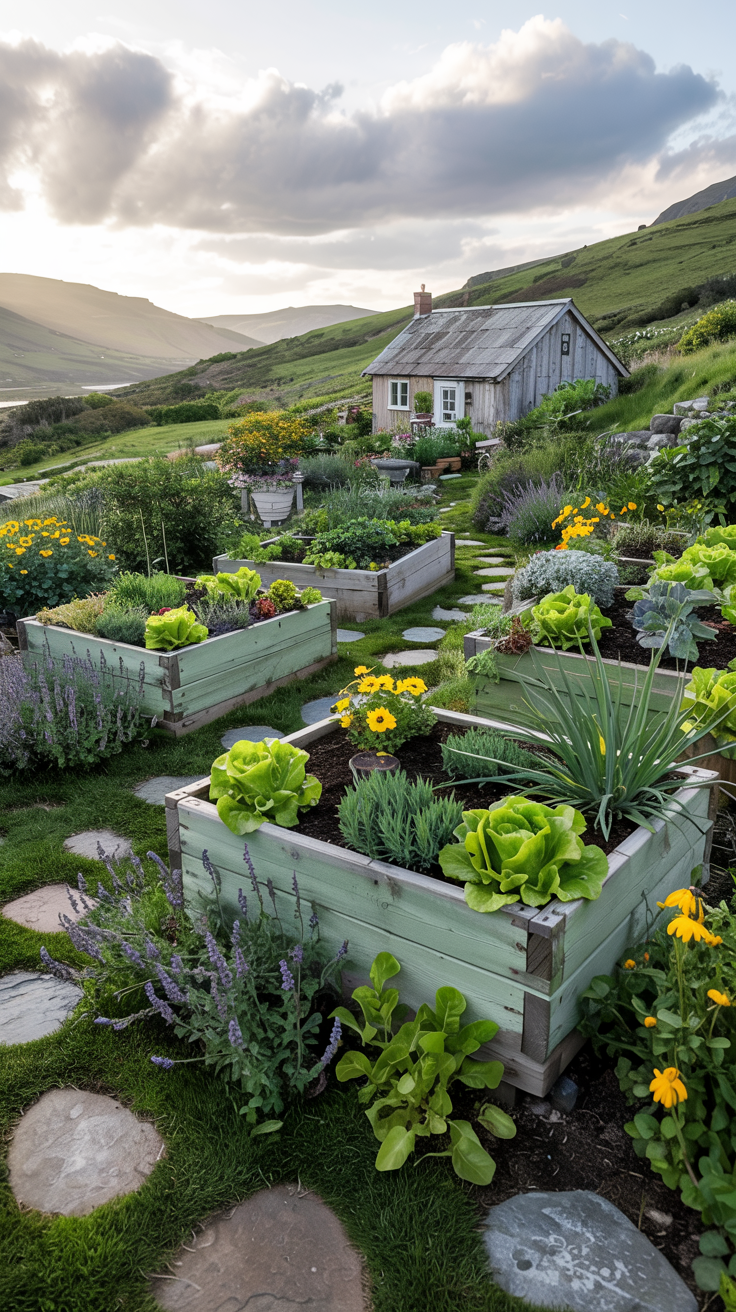
Credit: Bobbie Arthur/Silos Premiere Imagery LLC
How to Recreate This Look
Build or purchase raised garden beds and position them in a sunny spot near your kitchen for easy access. Paint wooden beds in coastal colors like seafoam green, weathered blue, or leave them natural to age. Plant your herbs in well-draining soil mixed with sand. Create pathways between beds using crushed shells, gravel, or stepping stones for easy maintenance access.
What You'll Need to Buy
Raised bed kits or lumber for DIY beds
Salt-tolerant herb plants (rosemary, thyme, oregano, chives, sage)
Lavender plants for borders
Quality potting soil and sand for drainage
Crushed shells or decorative gravel for pathways
Outdoor wood stain or paint in coastal colors
DIY Projects for This Garden
Build custom raised beds using reclaimed wood or cedar boards. Create a simple herb drying rack using driftwood and twine to hang near your garden. Make decorative plant markers from smooth beach stones painted with herb names, or use weathered wood stakes for a rustic coastal look.
Things to Avoid
Don't plant herbs that require constant moisture or can't handle salt spray. Avoid overcrowding your raised beds, as good air circulation prevents disease. Skip synthetic materials that clash with the natural coastal aesthetic. Don't place your herb garden too far from the kitchen, or you won't use it as much.
3. English Cottage Garden with Coastal Elements
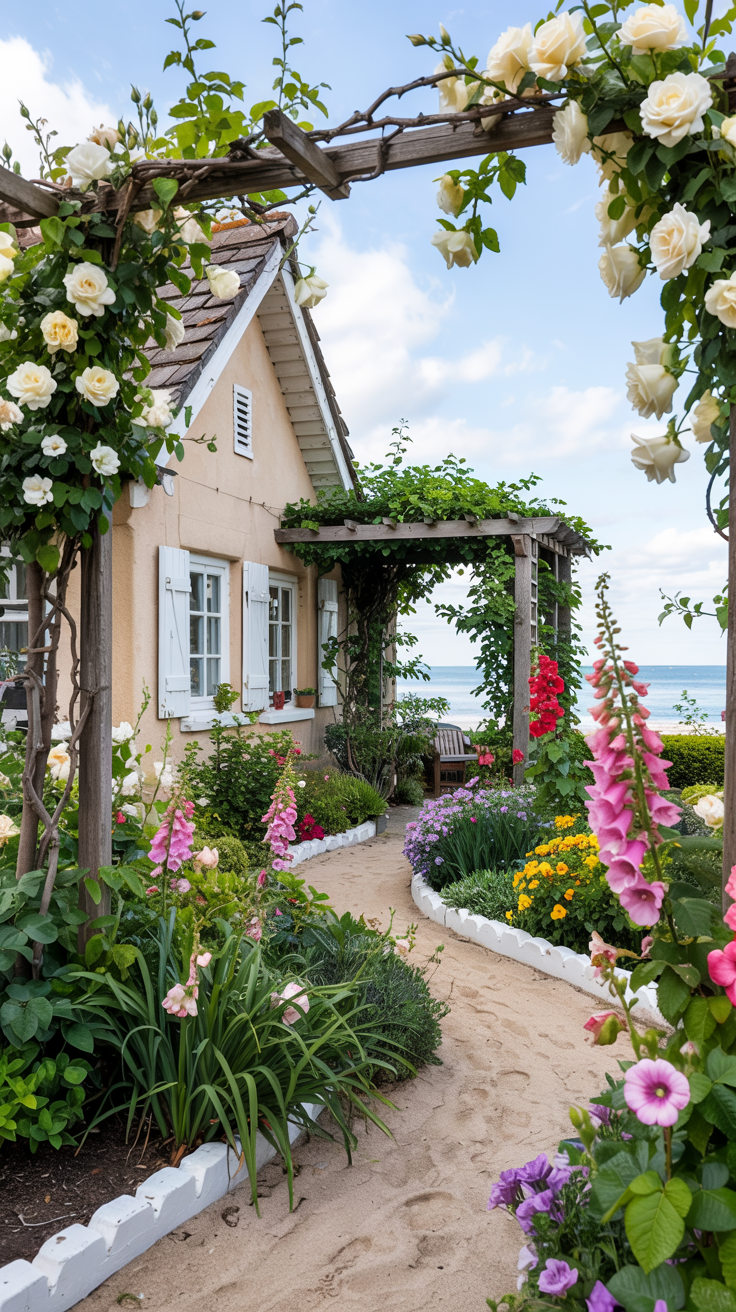
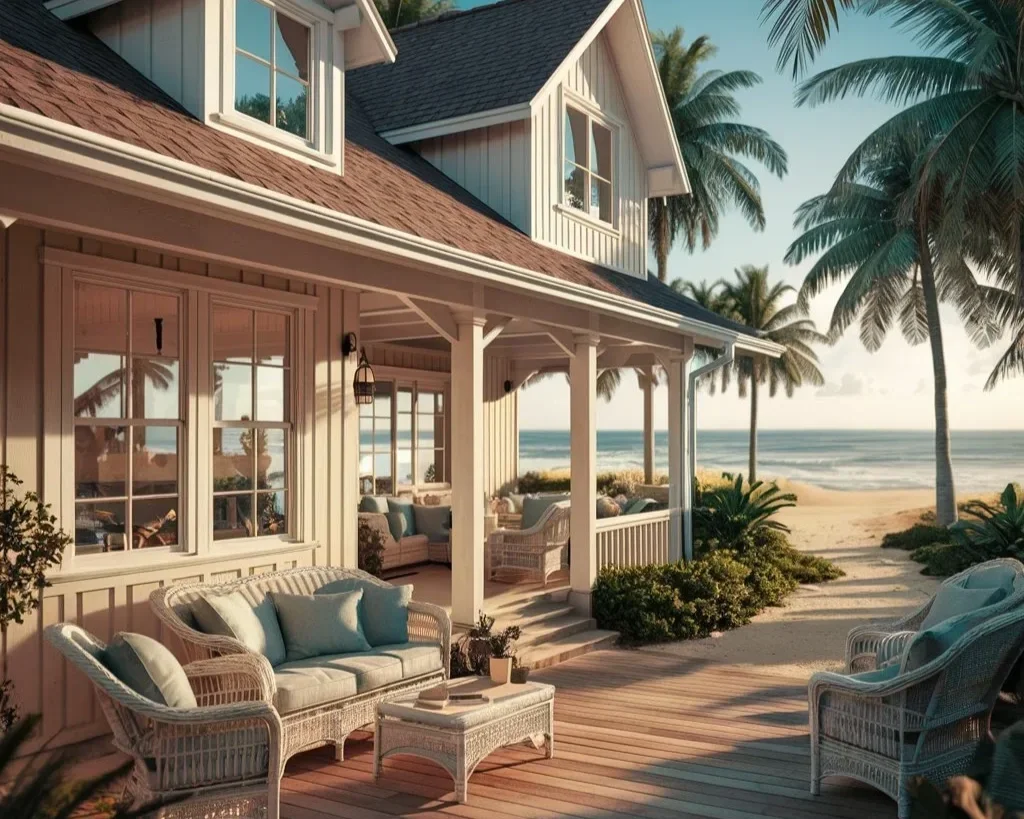
This garden style blends traditional English cottage garden plants like hollyhocks, foxgloves, and climbing roses with coastal design elements. You'll get the romantic, overflowing beauty of a classic cottage garden enhanced with beach-inspired touches like shell-lined borders, nautical accents, and a soft blue and white color palette that reflects the nearby ocean.
How to Recreate This Look
Start with a white picket fence as your foundation. Plant climbing roses or clematis to cascade over the fence and arbors. Fill beds with layers of perennials in varying heights, creating that signature cottage garden abundance. Add sandy pathways winding through the beds. Incorporate blue-flowering plants like delphiniums and hydrangeas to tie in the coastal theme.
What You'll Need to Buy
Climbing roses and clematis vines
Classic cottage perennials (hollyhocks, foxgloves, delphiniums, peonies)
White picket fencing or arbor
Blue and white flowering plants for coastal color
Seashells for border decoration
Vintage or nautical garden decor (birdbath, garden stakes)
Sandy soil or decomposed granite for pathways
Architectural Trends: 18 Coastal Beach House Exterior Designs
DIY Projects for This Garden
Build a driftwood trellis for climbing roses by securing pieces of driftwood in a ladder or grid pattern. Create shell-lined garden borders by pressing collected seashells into the soil along bed edges. Paint old wooden furniture in soft coastal blues and whites to use as plant stands or garden seating.
Things to Avoid
Don't let the garden become so overgrown that it loses structure entirely. Avoid clashing color schemes that detract from the coastal blue and white theme. Skip modern or industrial materials that conflict with the romantic cottage aesthetic. Don't plant water-hungry roses in areas with poor drainage or intense salt exposure.
4. Drought-Resistant Coastal Succulent Garden
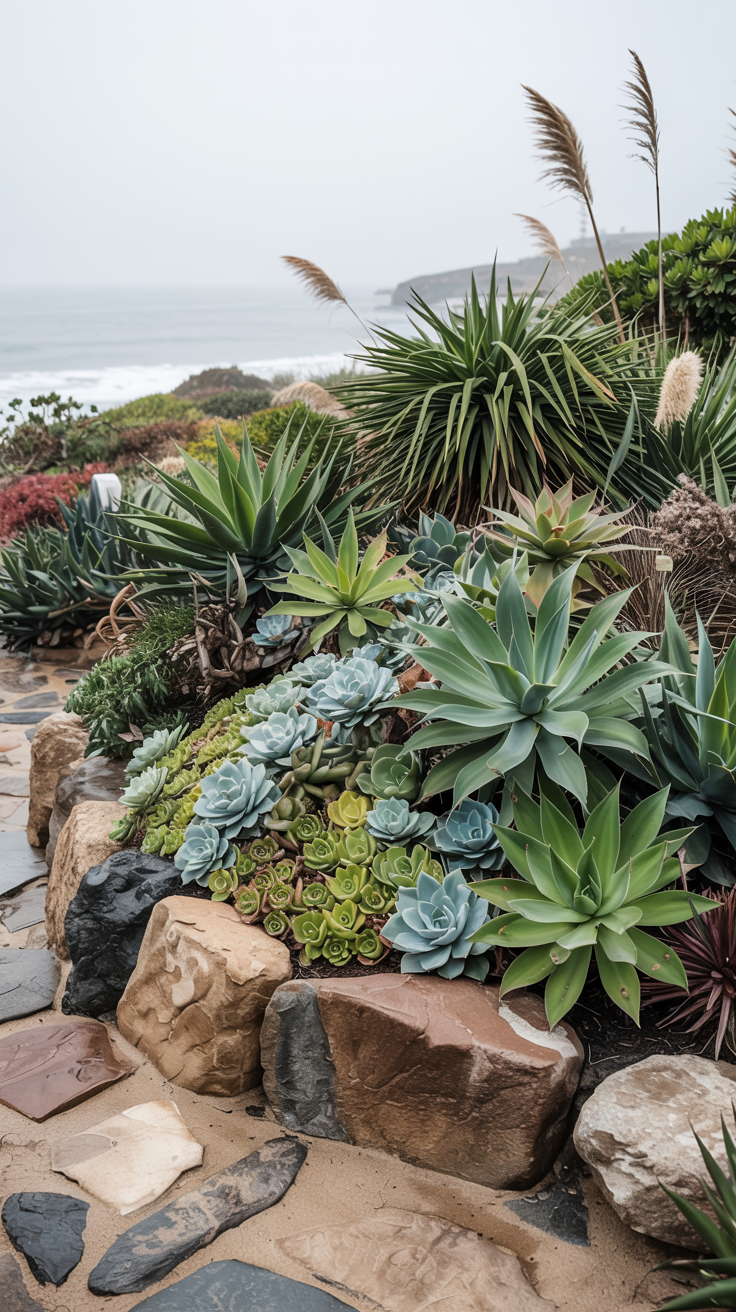
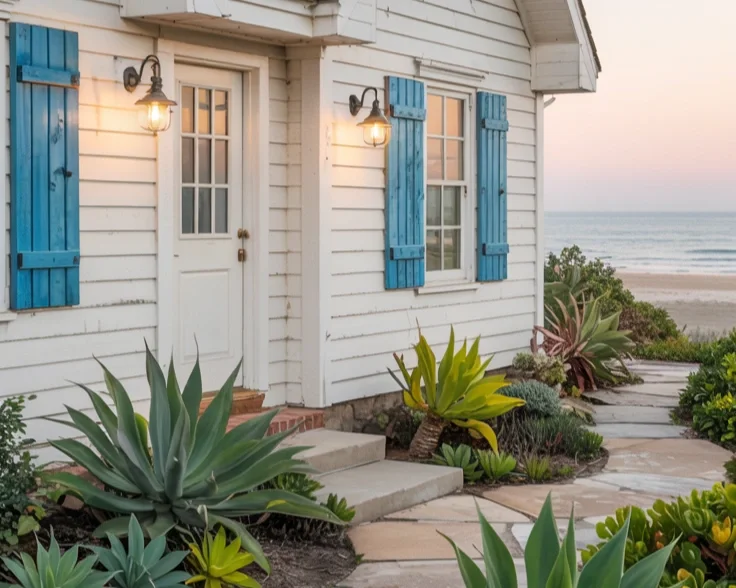
A drought-resistant coastal garden combines seagrasses with succulents to create a low-water, low-maintenance landscape perfect for dry coastal climates. This modern coastal garden style features diverse textures and muted colors like silvery greens, soft pinks, and sandy tones that echo the natural beach palette while requiring minimal irrigation.
Credit: Estelle Watts/San Diego Prints
How to Recreate This Look
Design your garden with excellent drainage in mind. Create raised mounds or use sloped areas to prevent water accumulation. Plant tall ornamental grasses like maiden grass or feather reed grass as anchors, then fill in with groupings of various succulents. Use sandy pathways and arrange weathered stones or boulders to add structure and visual interest.
What You'll Need to Buy
Drought-tolerant ornamental grasses (maiden grass, feather reed grass, blue fescue)
Variety of succulents (echeveria, stonecrop, hens and chicks, agave)
Coarse sand or gravel for drainage improvement
Large decorative rocks or boulders
Decomposed granite or crushed stone for pathways
Rustic containers for potted succulent displays
DIY Projects for This Garden
Create a vertical succulent garden using an old weathered frame or pallet. Build rock gardens by arranging stones to create natural-looking formations with pockets for planting succulents. Make hypertufa containers using concrete mix, peat moss, and perlite for custom planters that look like weathered stone.
Things to Avoid
Don't plant succulents in heavy clay soil without amending for drainage. Avoid overwatering, which is the number one killer of succulents. Skip delicate succulent varieties that can't handle coastal winds. Don't mix succulents with plants that need frequent watering, as their needs are incompatible.
5. Rustic Coastal Vegetable Garden Design
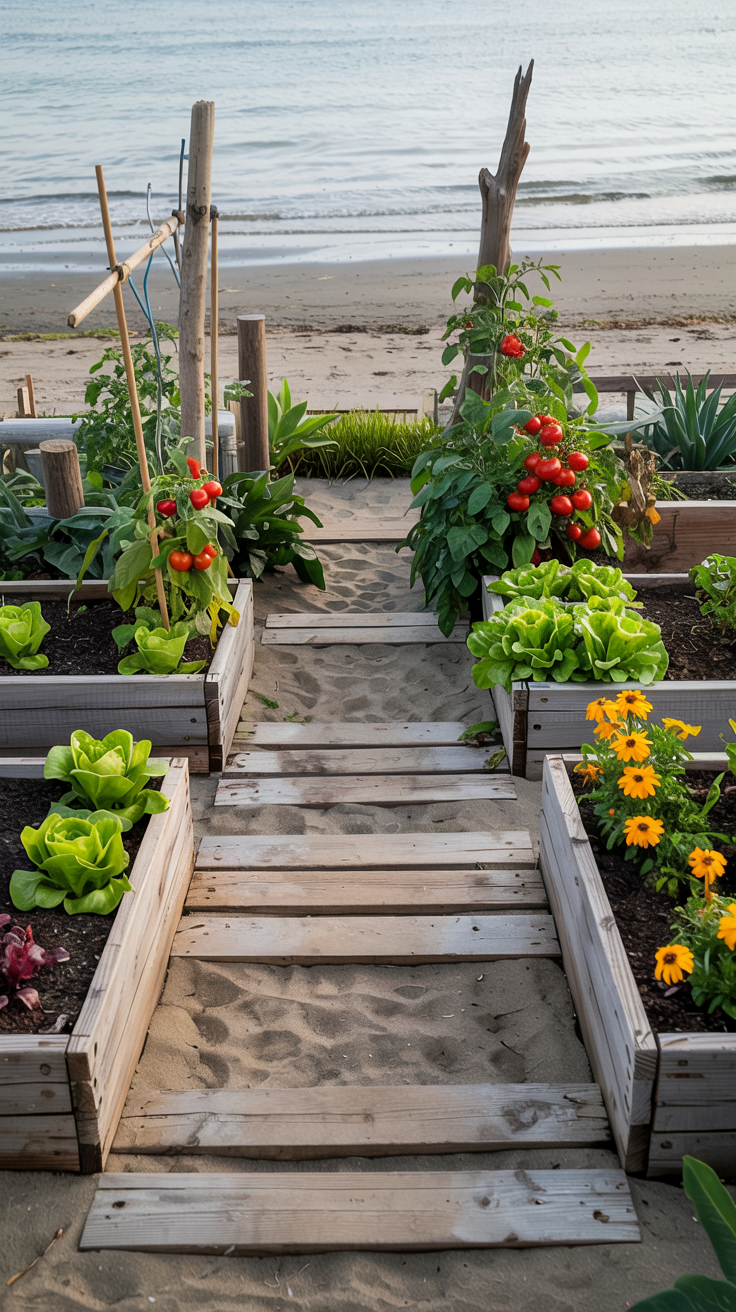
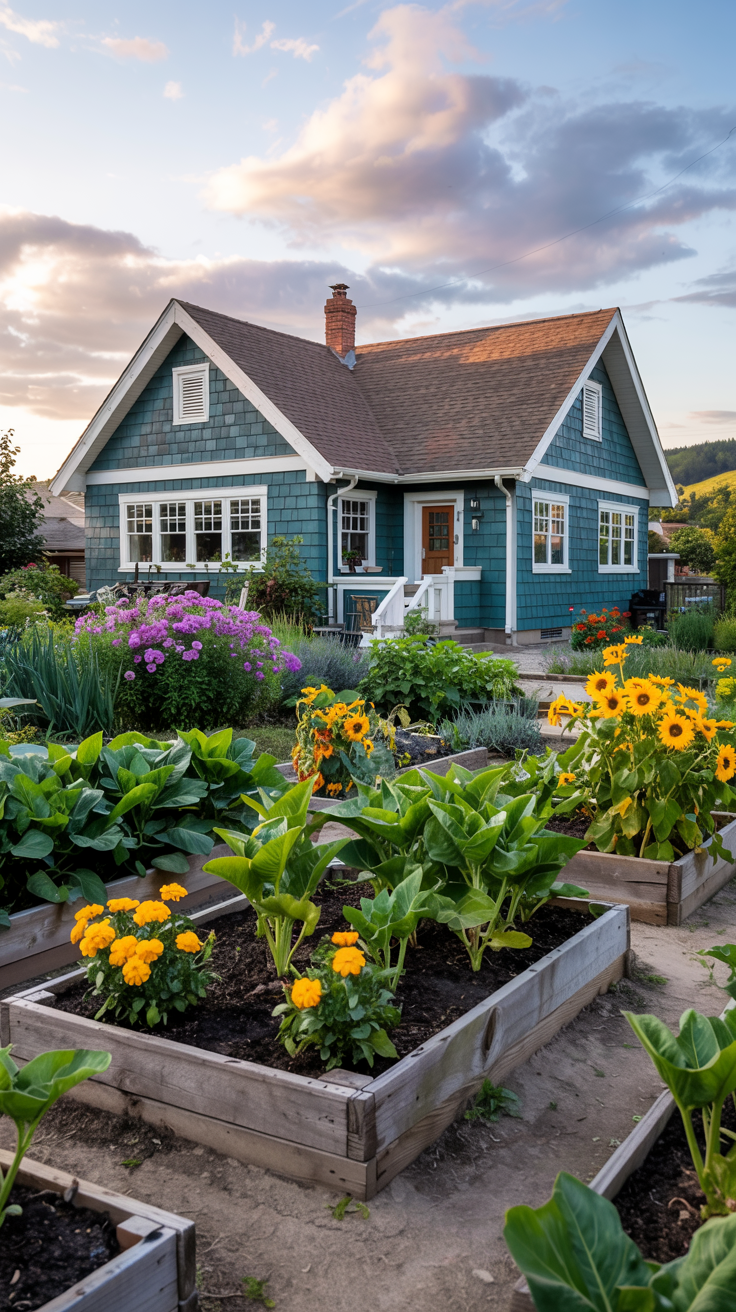
A rustic coastal vegetable garden combines practicality with aesthetic charm using reclaimed wood raised beds, seashell pathways, and a relaxed planting style. This productive garden grows tomatoes, beans, leafy greens, and herbs while maintaining the casual, weathered beauty of coastal design through natural materials and flowing plant arrangements.
How to Recreate This Look
Build raised beds using reclaimed timber or cedar planks for a weathered appearance. Arrange beds in an informal layout rather than rigid rows. Create pathways using crushed shells, weathered stone, or gravel. Interplant vegetables with flowers like marigolds and nasturtiums for pest control and color. Add handmade trellises from driftwood or bamboo for climbing plants.
What You'll Need to Buy
Reclaimed lumber or cedar for raised beds
Vegetable seeds or seedlings (tomatoes, beans, lettuce, peppers)
Herb plants (basil, parsley, cilantro)
Companion flowers (marigolds, nasturtiums)
Quality vegetable garden soil
Crushed shells or stone for pathways
Bamboo stakes or trellis materials
DIY Projects for This Garden
Build custom raised beds from reclaimed barn wood or pallets. Create a driftwood trellis for beans and peas by lashing pieces together with jute twine. Make a cold frame using old windows to extend your growing season. Build a compost bin from wooden pallets to create nutrient-rich soil amendments.
Things to Avoid
Don't plant vegetables in poorly draining soil without amending first. Avoid using treated lumber for vegetable beds, as chemicals can leach into soil. Skip overcrowding plants, which leads to disease and poor yields. Don't neglect companion planting principles. Avoid placing your vegetable garden in full shade or extremely windy locations.
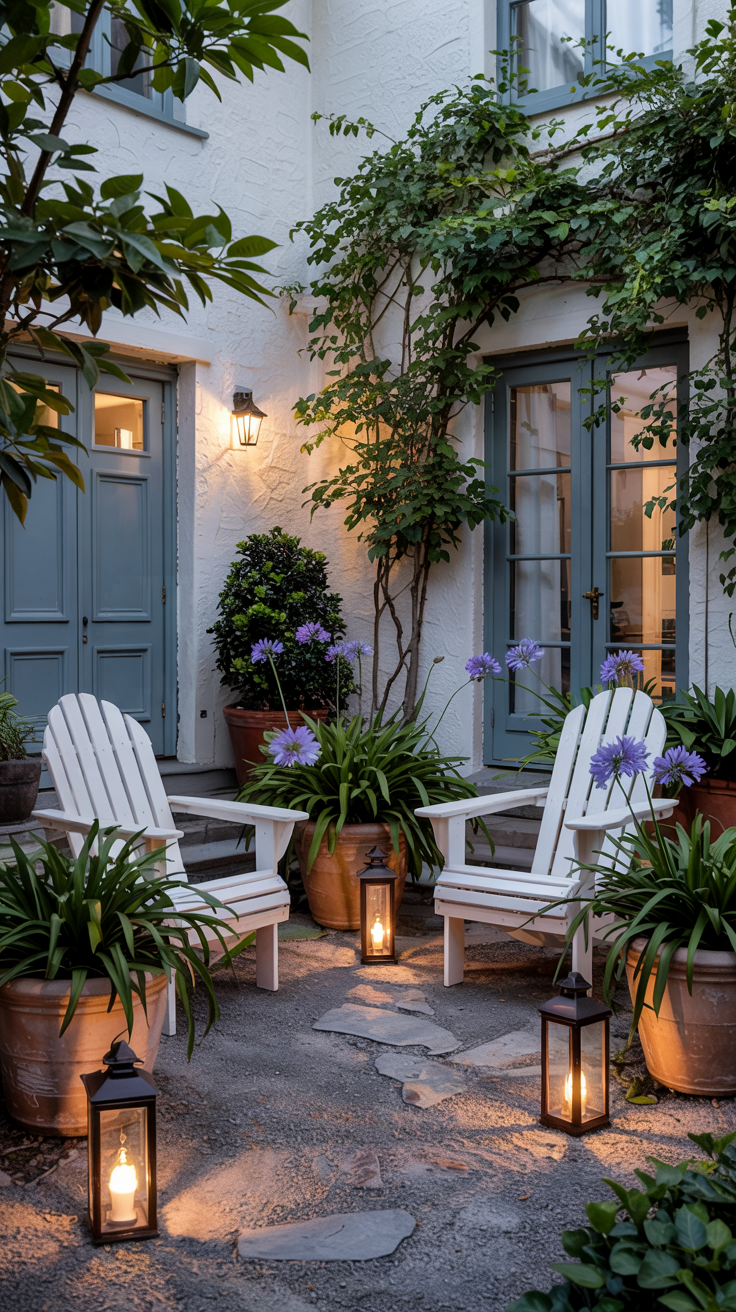
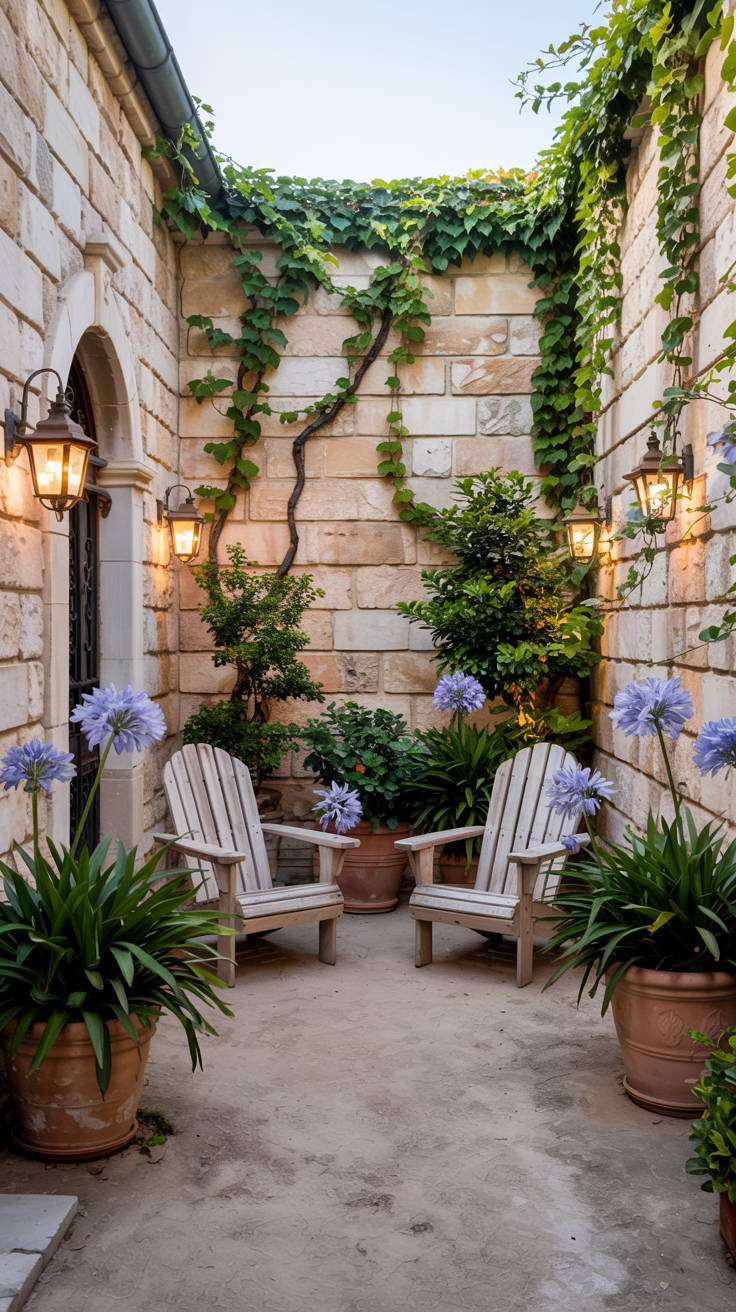
6. Small Coastal Courtyard Garden Ideas
A coastal courtyard garden transforms small enclosed spaces into intimate seaside retreats. This compact garden style uses salt-tolerant container plants, climbing vines, and vertical gardening techniques to maximize limited space while creating a lush, cozy atmosphere with natural stone paving and weathered wood seating.
How to Recreate This Look
Pave your courtyard with natural stone, gravel, or permeable pavers. Use vertical space by training climbing plants like jasmine or honeysuckle on walls and trellises. Arrange potted plants in terracotta containers at varying heights to create layers. Add weathered wooden benches or Adirondack chairs for seating. Incorporate wall-mounted planters and hanging baskets to maximize planting space.
What You'll Need to Buy
Salt-tolerant plants (agapanthus, coastal rosemary, geraniums)
Climbing vines (jasmine, honeysuckle, climbing hydrangea)
Terracotta or ceramic pots in various sizes
Natural stone pavers or gravel
Weathered wood furniture or Adirondack chairs
Wall-mounted planters and hanging baskets
Outdoor cushions in coastal colors
DIY Projects for This Garden
Create a vertical garden using a wooden pallet mounted on the wall with pockets for herbs and trailing plants. Build a simple wooden bench with storage underneath for garden tools. Make a water feature using a large ceramic pot and small fountain pump. Install a pergola or shade sail for overhead interest and sun protection.
Things to Avoid
Don't overcrowd the space with too many large plants or furniture. Avoid dark colors that make small spaces feel smaller. Skip high-maintenance plants that require constant attention. Don't use mismatched containers that create visual clutter. Avoid blocking pathways or access points with oversized planters.
7. Nautical Theme Coastal Garden Design
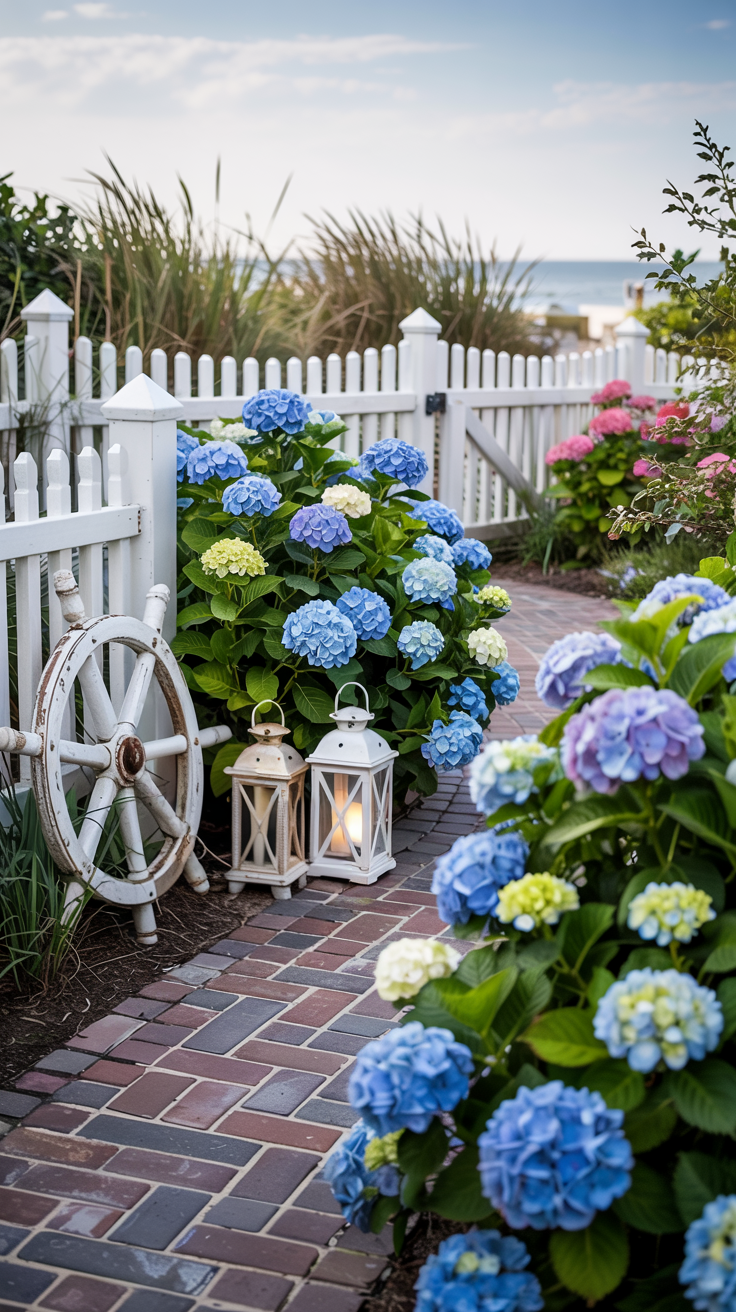
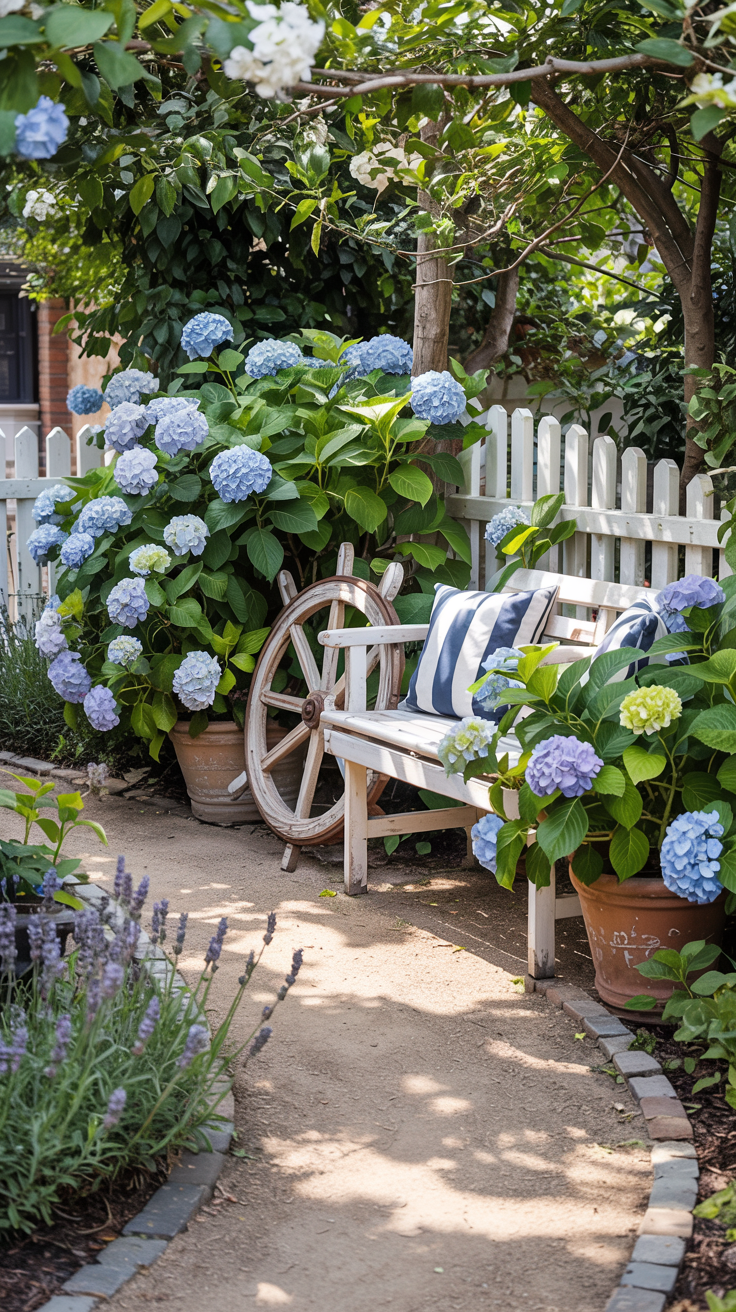
A nautical coastal garden brings maritime charm to your landscape with a blue and white color scheme, beachgrass, hydrangeas, and decorative elements like ship wheels, anchors, and rope accents. This themed garden style creates a cohesive seaside look through careful plant selection and strategic placement of ocean-inspired decor.
How to Recreate This Look
Focus on a strict blue and white color palette for flowers and decor. Plant sea lavender, white hydrangeas, blue delphiniums, and seaside daisies as your foundation. Install a white picket fence or rope railings for definition. Add beachgrass in strategic locations for movement. Incorporate nautical accessories like vintage buoys, lanterns, or weathered oars as focal points.
What You'll Need to Buy
Blue and white flowering plants (hydrangeas, sea lavender, delphiniums)
Beachgrass varieties
White picket fencing or rope for borders
Nautical decor (buoys, lanterns, anchors, ship wheels)
Navy and white striped outdoor fabrics
White gravel or crushed shells for pathways
Blue and white painted pots
DIY Projects for This Garden
Paint old pots and planters in navy and white stripes. Create rope-wrapped planters using sisal or manila rope and hot glue. Build a decorative lighthouse from stacked pots painted white with a red top. Make driftwood signs with nautical sayings using stencils and outdoor paint. Create a stepping stone path using concrete molds shaped like sand dollars or starfish.
Things to Avoid
Don't go overboard with nautical kitsch that looks more like a souvenir shop. Avoid introducing colors outside the blue and white palette. Skip cheap plastic nautical decor that weathers poorly. Don't place delicate decorative items where strong winds can damage them. Avoid cluttering the space with too many themed accessories.
8. Colorful Cottage Garden for Coastal Areas
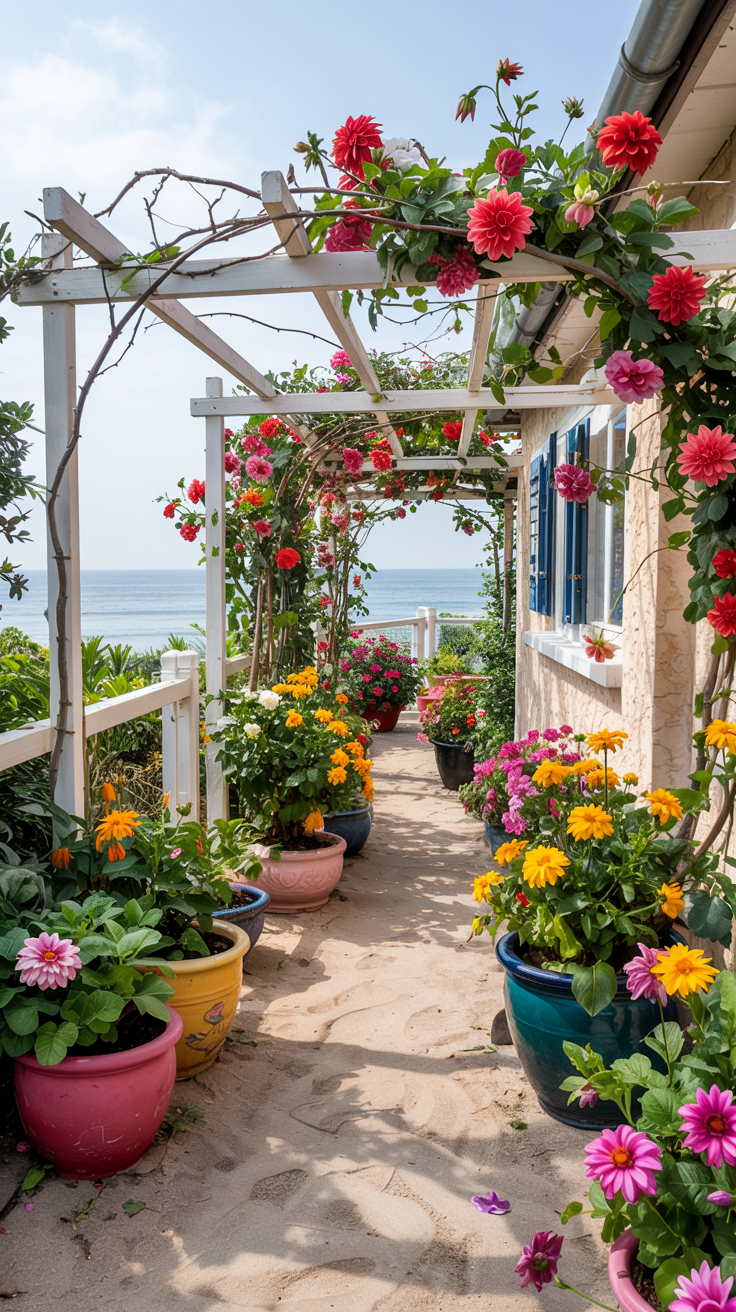
A colorful coastal cottage garden breaks from neutral beach tones with vibrant blooms in purples, pinks, yellows, and oranges. This bold garden style uses hardy perennials like dahlias, zinnias, and daylilies that can handle coastal conditions while creating a joyful, butterfly-attracting space with personality and visual impact.
How to Recreate This Look
Plant in generous drifts of color rather than single specimens for maximum impact. Layer plants by height with tall flowers like dahlias in back, medium plants like zinnias in the middle, and low-growing flowers in front. Use brightly colored pots and painted furniture to amplify the cheerful aesthetic. Incorporate shells and stones as borders to maintain coastal connection while embracing bold colors.
What You'll Need to Buy
Vibrant perennials (dahlias, zinnias, daylilies, coneflowers, black-eyed Susans)
Colorful annuals for continuous blooms
Brightly painted ceramic or metal pots
Outdoor furniture in bold colors
Decorative shells and beach stones
Butterfly and pollinator-friendly plants
Quality mulch to make colors pop
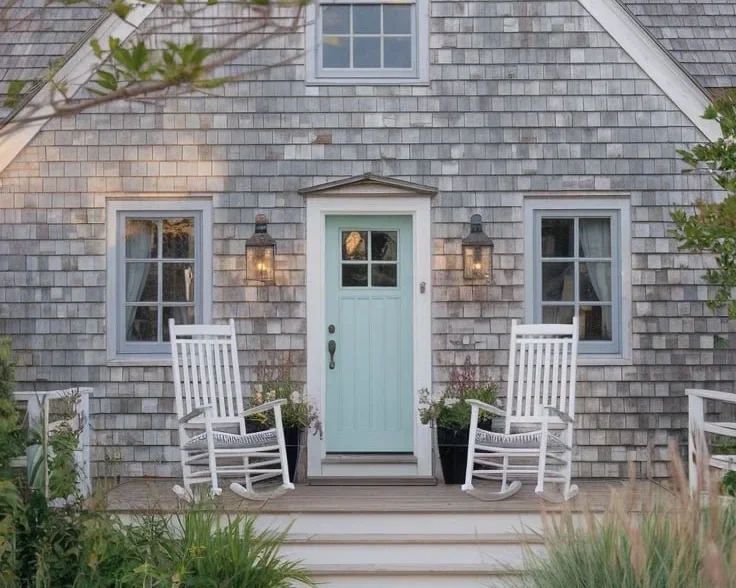
How To Recreate These Stunning Hamptons Style Coastal Cottage Exteriors
DIY Projects for This Garden
Paint old furniture in bright coastal colors like coral, turquoise, or sunny yellow. Create a rainbow flower border by organizing plants by color in spectrum order. Make colorful garden art using painted rocks, glass bottles, or ceramic pieces. Build a butterfly puddling station using a shallow dish filled with sand and water.
Things to Avoid
Don't plant colors that clash badly or create visual chaos. Avoid letting the garden become so busy that there's no focal point. Skip plants that don't tolerate your specific coastal conditions just because you love the color. Don't neglect deadheading, which is crucial for continuous blooms in a colorful garden.
9. Driftwood Garden with Natural Elements
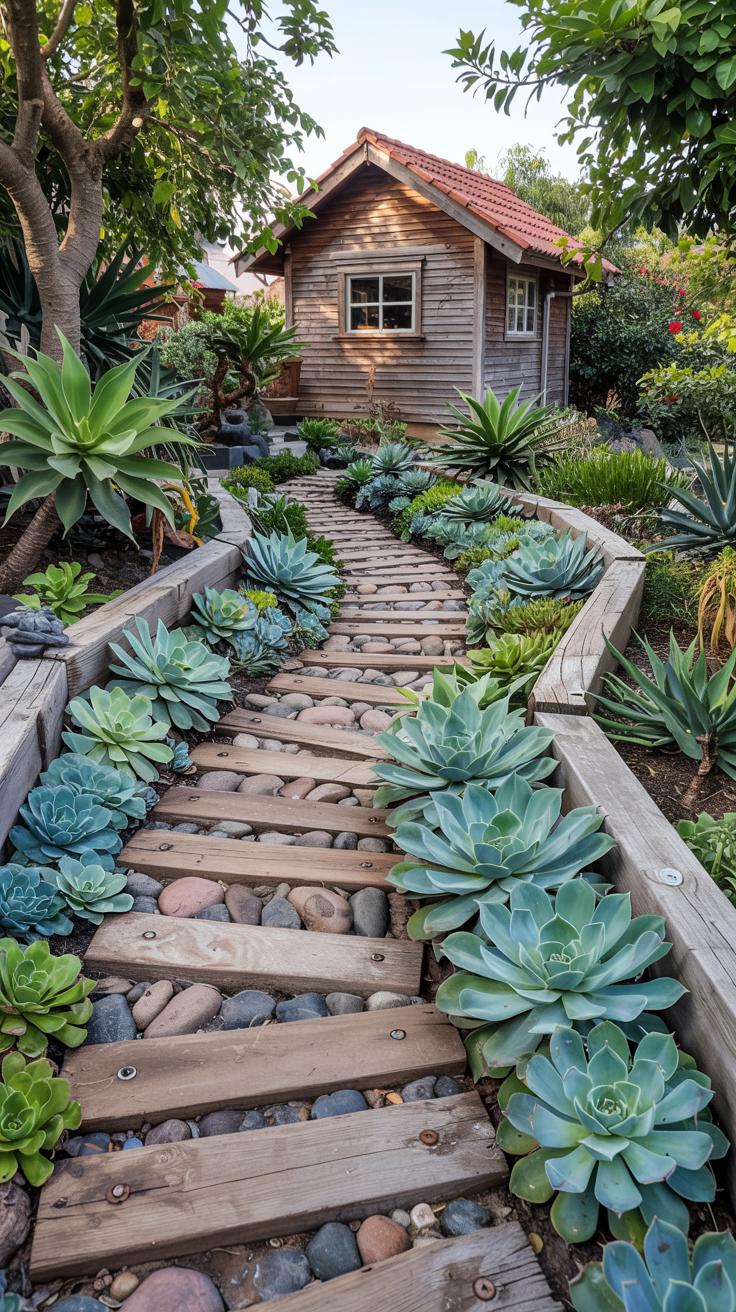
A driftwood garden celebrates the organic beauty of weathered wood as a primary design element. This natural coastal garden style features driftwood borders, sculptures, and structures paired with silvery-leaved plants like lamb's ear and dusty miller, succulents, and beach grasses to create a serene, monochromatic landscape.
How to Recreate This Look
Collect driftwood pieces from beaches where gathering is legal, or purchase from garden centers. Use larger pieces as garden borders and smaller pieces as mulch or pathway edging. Create sculptural focal points by arranging driftwood vertically or stacking pieces artistically. Plant silver and gray-toned plants to complement the wood's weathered hues. Keep the color palette muted and natural.
What You'll Need to Buy
Driftwood pieces (collected or purchased)
Silver-leaved plants (lamb's ear, dusty miller, artemisia)
Succulents in gray and blue tones
Beach grasses
Light-colored gravel or sand
Weathered stone accents
Outdoor sealant for preserving driftwood (optional)
DIY Projects for This Garden
Create a driftwood trellis by securing pieces in an attractive pattern for climbing plants. Build a driftwood garden arbor by anchoring two large pieces vertically and connecting with crosspieces. Make driftwood plant stakes by attaching waterproof plant labels to straight pieces. Construct a driftwood border fence by laying pieces horizontally along bed edges.
Things to Avoid
Don't take driftwood from protected beaches or national parks. Avoid forcing unnatural arrangements that lose the organic quality. Skip introducing too many colors that conflict with the serene palette. Don't use driftwood that's rotting or infested with insects. Avoid placing driftwood directly on grass where it can harbor pests.
10. Private Coastal Garden Retreat Ideas
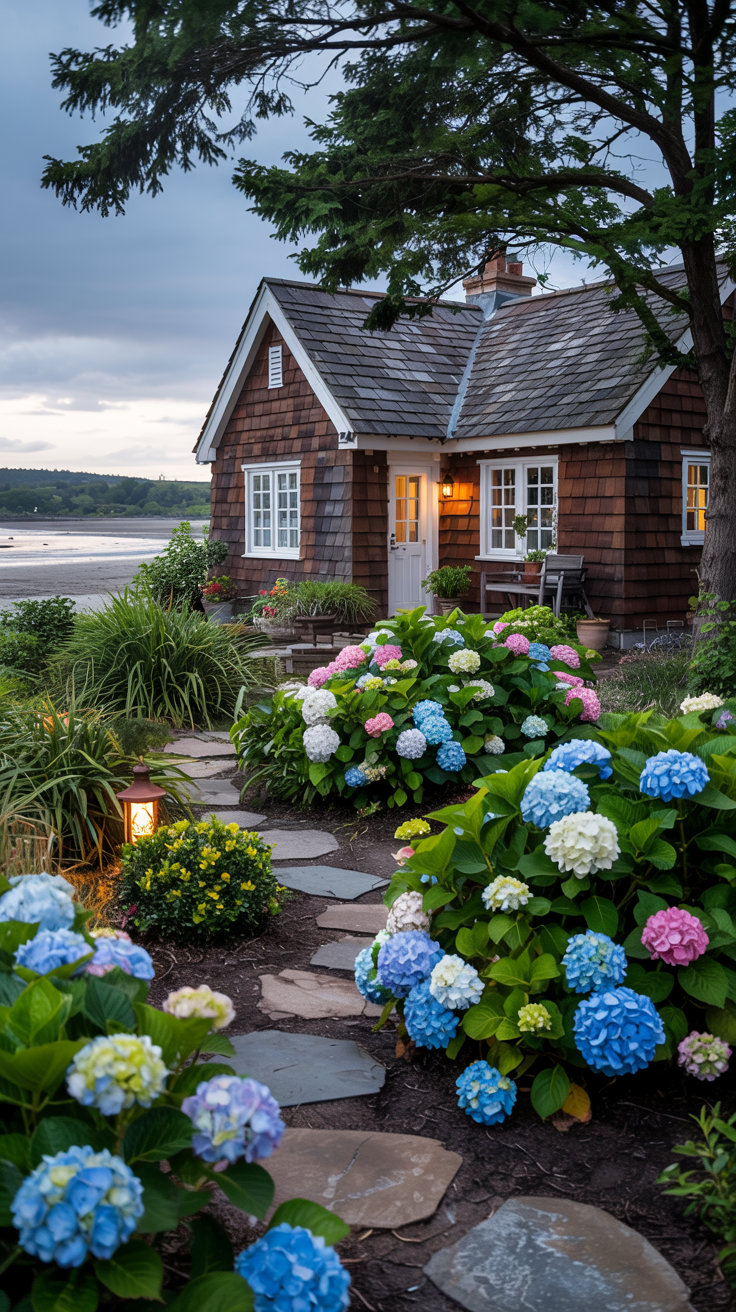
A secluded coastal hideaway garden creates an intimate, private sanctuary using tall beach grasses, flowering shrubs like hydrangeas and viburnum, and layered plantings. This peaceful garden style features winding shell-lined paths leading to hidden seating areas tucked within vine-covered arbors and behind natural privacy screens.
How to Recreate This Look
Plant tall ornamental grasses along property lines to create natural privacy walls. Layer shrubs and perennials at varying heights to build visual depth and seclusion. Create meandering pathways using crushed shells or stones that reveal hidden garden rooms. Place comfortable seating in alcoves formed by large shrubs or beneath vine-covered pergolas. Add soft lighting with lanterns or string lights for evening ambiance.
What You'll Need to Buy
Tall privacy plants (beach grasses, bamboo, ornamental grasses)
Flowering shrubs (hydrangeas, viburnum, butterfly bush)
Climbing vines (clematis, honeysuckle, climbing roses)
Arbor or pergola structure
Comfortable outdoor seating
Crushed shells or decorative stone for paths
Outdoor lighting (solar lanterns, string lights, path lights)
Privacy screening or lattice panels
DIY Projects for This Garden
Build a simple pergola using cedar posts and crossbeams for a vine-covered retreat. Create a living wall using lattice panels and climbing plants for instant privacy. Make a secluded seating nook by arranging large shrubs in a U-shape with a bench inside. Install a small water feature using a ceramic bowl and fountain pump for soothing sounds.
Things to Avoid
Don't create so many "rooms" that the garden feels choppy or disconnected. Avoid using solid fencing that blocks coastal breezes and feels institutional. Skip uncomfortable seating that won't actually get used. Don't place seating areas where they lack proper shade or wind protection. Avoid neglecting maintenance in hidden areas where problems can develop unseen.
Start Creating Your Coastal Cottage Garden Today
Creating your own coastal cottage garden is easier than you might think. The key is working with your environment instead of fighting against it. I always tell people to start small with just one or two garden beds, then expand as you gain confidence with what grows best in your specific coastal conditions.
Your Action Plan for Getting Started:
First, assess your space and identify areas with the most sun exposure and natural wind protection. Test your soil to understand drainage and salt levels. Next, choose three to five salt-tolerant plants from the ideas above that match your garden goals. Whether you want a productive herb garden or a colorful flower border, focusing on a specific style helps you stay on track.
Start shopping for your basic materials. Raised beds, quality soil amendments, and a few key plants are all you need to begin. You don't have to invest in expensive decor right away. Natural elements like driftwood and stones can be collected over time.
Set aside a weekend to prepare your first garden bed. Improve drainage with sand or gravel if needed. Plant your first selections according to their spacing requirements. Add one DIY project from the sections above to personalize your space without breaking the bank.
Remember that coastal gardens are meant to be relaxed and natural. Don't stress about perfection. Let your plants settle in, watch how they respond to your microclimate, and adjust as needed. The beauty of these gardens is that they get better with age as plants establish and that weathered, windswept look develops naturally.
I'd love to hear about your coastal garden journey. What style are you planning to try first?
Top 5 Space-Maximizing Techniques for Your Small Coastal Yard
Frequently Asked Questions About Coastal Cottage Gardens (FAQs)
What are the best plants for coastal gardens that can handle salt spray?
The most reliable salt-tolerant plants for coastal gardens include lavender, rosemary, sea thrift, Russian sage, ornamental grasses like switchgrass and sea oats, succulents, hydrangeas, and beach roses. I also love using native coastal plants specific to your region, as they're naturally adapted to handle salt spray, wind, and sandy soil. Herbs like thyme and oregano are surprisingly tough in coastal conditions too.
How do I protect my coastal garden from strong winds?
Start by creating windbreaks using taller plants like ornamental grasses, beach plums, or bayberry shrubs on the windward side of your garden. I recommend staking young plants until they're established and using heavier mulch like river rock that won't blow away. Driftwood or stone borders also provide some wind protection for smaller plants. Plant in clusters rather than single specimens so plants can shelter each other.
Can I have a vegetable garden in a coastal area?
Absolutely! I grow vegetables successfully in my coastal garden by using raised beds with amended soil for better drainage. Focus on hardy vegetables like tomatoes, beans, peppers, leafy greens, and root vegetables. Herbs do exceptionally well in coastal gardens. The key is providing some wind protection with temporary screens or taller companion plants and ensuring your soil has good drainage mixed with compost.
What type of soil works best for coastal cottage gardens?
Coastal gardens typically need sandy, well-draining soil amended with organic matter. I always add compost or aged manure to improve nutrient content and water retention without compromising drainage. For most coastal plants, mixing existing sandy soil with one-third compost works perfectly. If you're planting succulents or Mediterranean plants, add extra sand or gravel to ensure excellent drainage.
How often should I water a coastal garden?
This depends on your specific plants and local rainfall, but most established coastal gardens need less water than traditional gardens. I water deeply once or twice a week during dry spells rather than frequent shallow watering. Drought-tolerant plants like succulents and ornamental grasses may only need water during extended droughts once established. Morning watering is best to prevent fungal issues in humid coastal climates.
Do I need to use special fertilizer for coastal plants?
Coastal plants generally don't need heavy fertilization. I use a balanced, slow-release organic fertilizer once in spring and sometimes again in mid-summer. Too much fertilizer can actually make plants more susceptible to salt damage and wind stress. Focusing on building healthy soil with compost is more important than synthetic fertilizers for most coastal cottage gardens.
What are some low-maintenance coastal garden options for busy people?
The driftwood and succulent garden or the drought-resistant seagrass garden are perfect low-maintenance options. I also recommend a simple herb garden in raised beds, which requires minimal care once established. Choose perennials over annuals to reduce replanting work. Native coastal plants adapted to your area are always the lowest maintenance choice since they're naturally suited to local conditions.
Can I create a coastal garden if I don't live near the ocean?
Definitely! You can absolutely create coastal-inspired gardens inland. Focus on the aesthetic elements like driftwood, shells, beach grasses, and the relaxed planting style. Choose plants with silvery foliage and blue or white flowers to capture that seaside feel. Use sand-colored pathways and weathered wood furniture. The key is capturing the mood and style rather than requiring actual oceanfront conditions.
How do I find driftwood for my garden legally?
Check your local beach regulations before collecting any driftwood. Many public beaches allow small amounts for personal use, but some protected areas prohibit removal. I often find great pieces along riverbanks or lake shores as well. You can also purchase driftwood from garden centers, craft stores, or online retailers. Estate sales and flea markets sometimes have weathered wood pieces that work beautifully.
What's the best time of year to start a coastal cottage garden?
Spring and early fall are ideal for starting most coastal gardens. I prefer fall planting in mild coastal climates because plants establish root systems over winter without heat stress. Spring planting works well for areas with harsh winters. For tropical coastal zones, the cooler dry season is best. Avoid planting during the hottest months or during your region's storm season when young plants are most vulnerable.