How to Personalize Your Home Decor: 6 Ways to Make Any Space Feel Like You
This post may contain affiliate links. If you make a purchase through one of my links, I may receive a small commission at no cost to you.
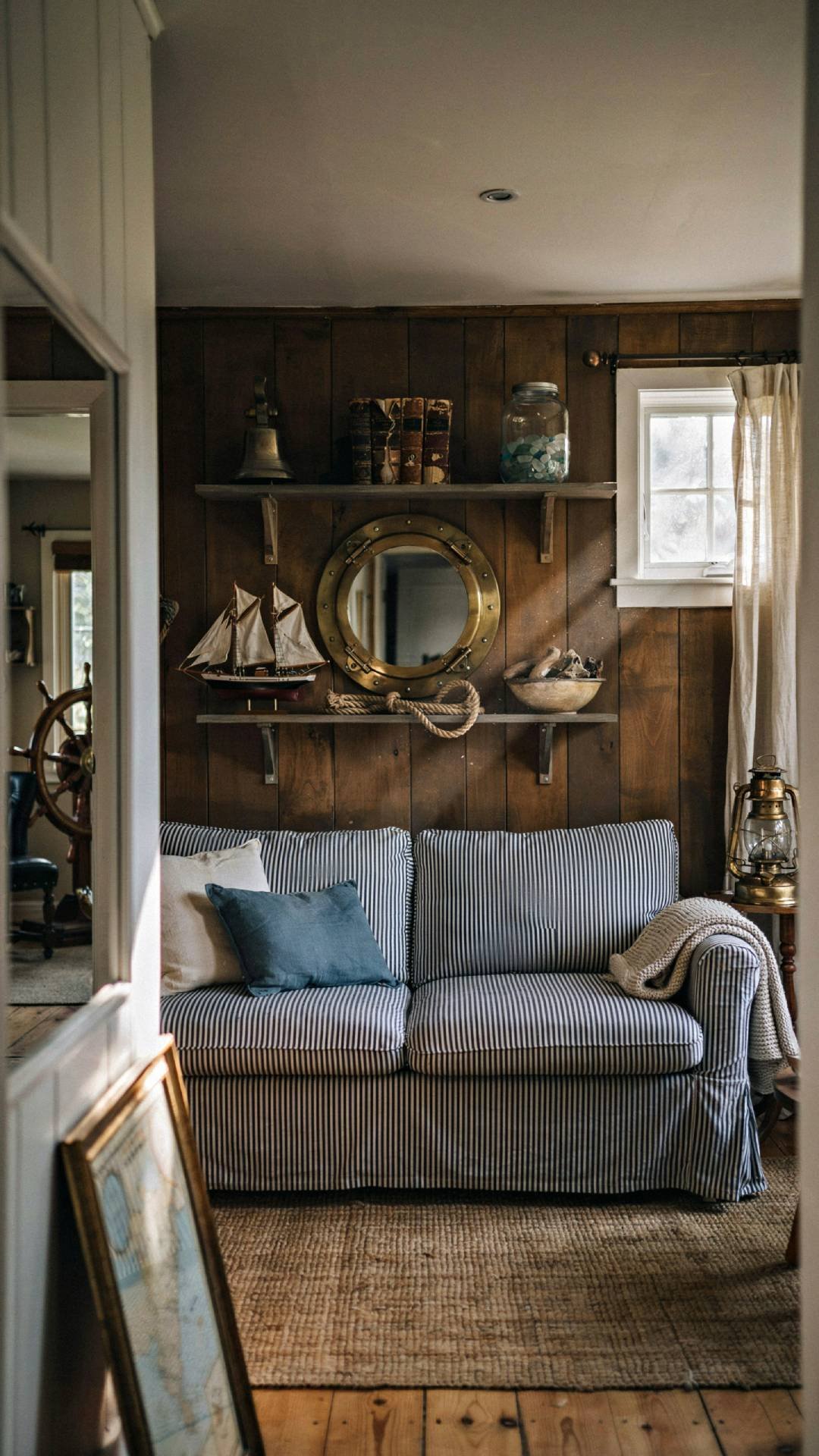
Have you ever walked into someone's home and immediately felt like you knew something real about them? The books on the shelf, the art on the walls, the mismatched chairs that somehow work perfectly together. That is what a truly personalized home feels like, and it has nothing to do with following trends or having a big decorating budget.
Most homes that feel generic do not lack style. They lack intention. They are filled with furniture that was practical, decor that came with the apartment, or pieces chosen because they were on sale rather than because they meant something. And the result is a space that functions fine but never quite feels like yours.
That is exactly what this guide is here to fix. Whether you just moved into a new place, have lived somewhere for years and still feel like a guest in your own home, or simply want to breathe more personality into your space, these six ideas will help you get there. None of them require a renovation or a big spend. Most can be started this weekend with what you already own.
Not sure where to begin? Start with section one and section four. Displaying what you love and personalizing your walls are the two fastest ways to shift the entire feeling of a room, and they work in any space, any style, and any budget.
Key Takeaways
Your home should reflect your personality, not just the latest trends.
The most impactful personalization changes are usually free or low-cost: rearranging, displaying what you love, and adding meaningful objects.
Each section below includes specific, actionable ideas you can start today.
You do not need to redecorate everything at once. One intentional change builds momentum toward a home that truly feels like yours.
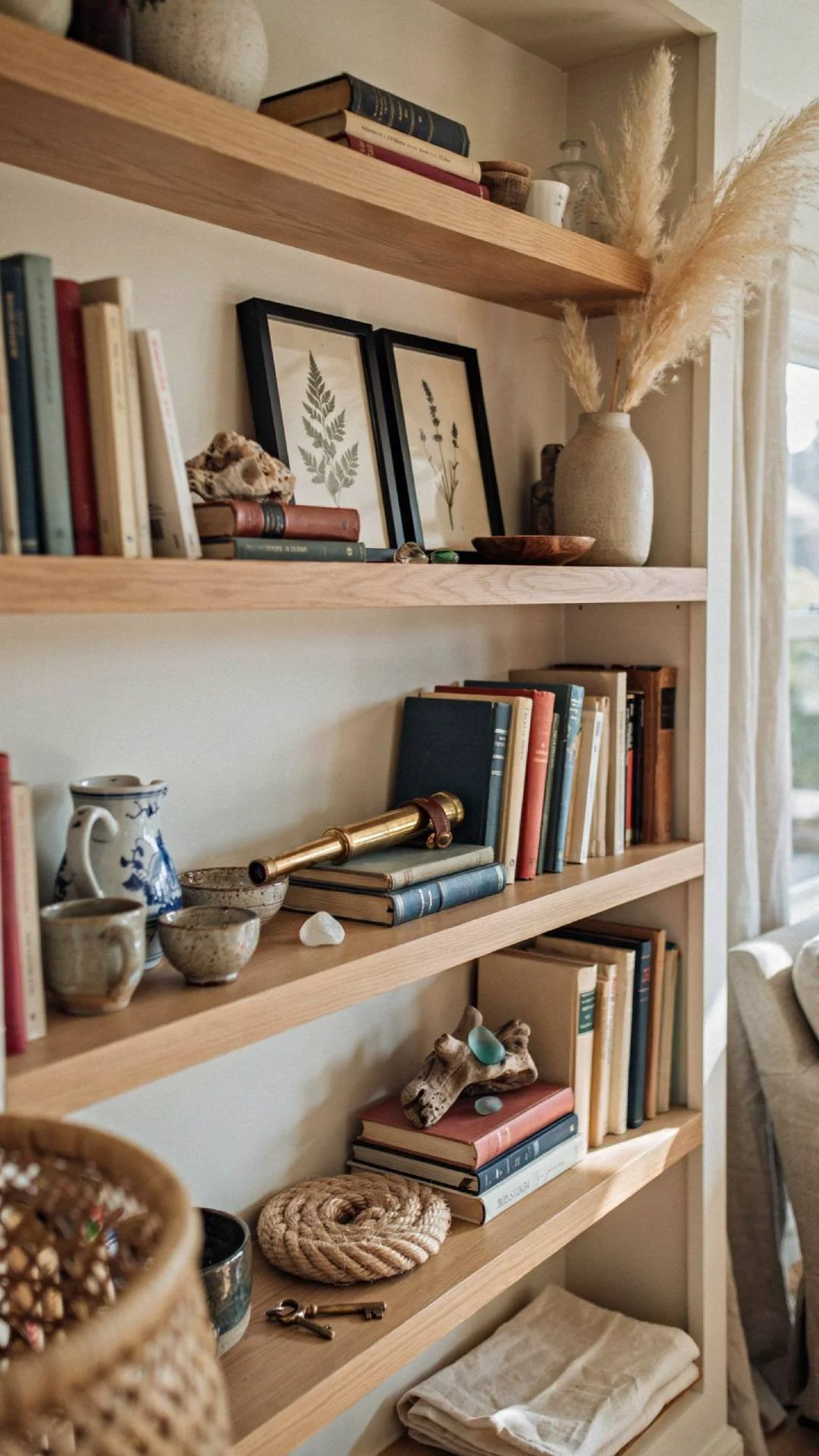
1. How to Display Your Hobbies and Interests as Home Decor
Your hobbies and interests are a big part of who you are, so why not let them shape your space? This is one of the most overlooked ways to personalize a home because people tend to tuck their passions away, not realizing that the things they love most are exactly what make a room feel alive and interesting.
Think about what you spend your time doing and how that could translate visually. If you are a music lover, a framed collection of vintage vinyl records or a gallery wall of concert posters turns a bare wall into something that sparks conversation every time someone walks in. Bookworms can stack favorite reads on open shelves, color-coordinated or beautifully chaotic, alongside a cozy reading chair and a good lamp. For travel enthusiasts, a curated display of photos from your favorite trips, grouped by destination or arranged as a world map gallery, serves as a daily reminder of places you have been and places you still want to go.
The key is to be selective rather than comprehensive. You are not trying to display everything you own. You are trying to choose the pieces that best represent who you are right now and arrange them in a way that feels intentional rather than cluttered. A single shelf styled with three meaningful objects will always feel more personal than a surface covered in ten things that have no connection to each other.
If you are not sure where to start, pick one hobby and give it one dedicated spot in your home. A small corner, a single shelf, or one wall. Style it slowly and thoughtfully, and let it grow from there. That one spot will quickly become your favorite part of the room.
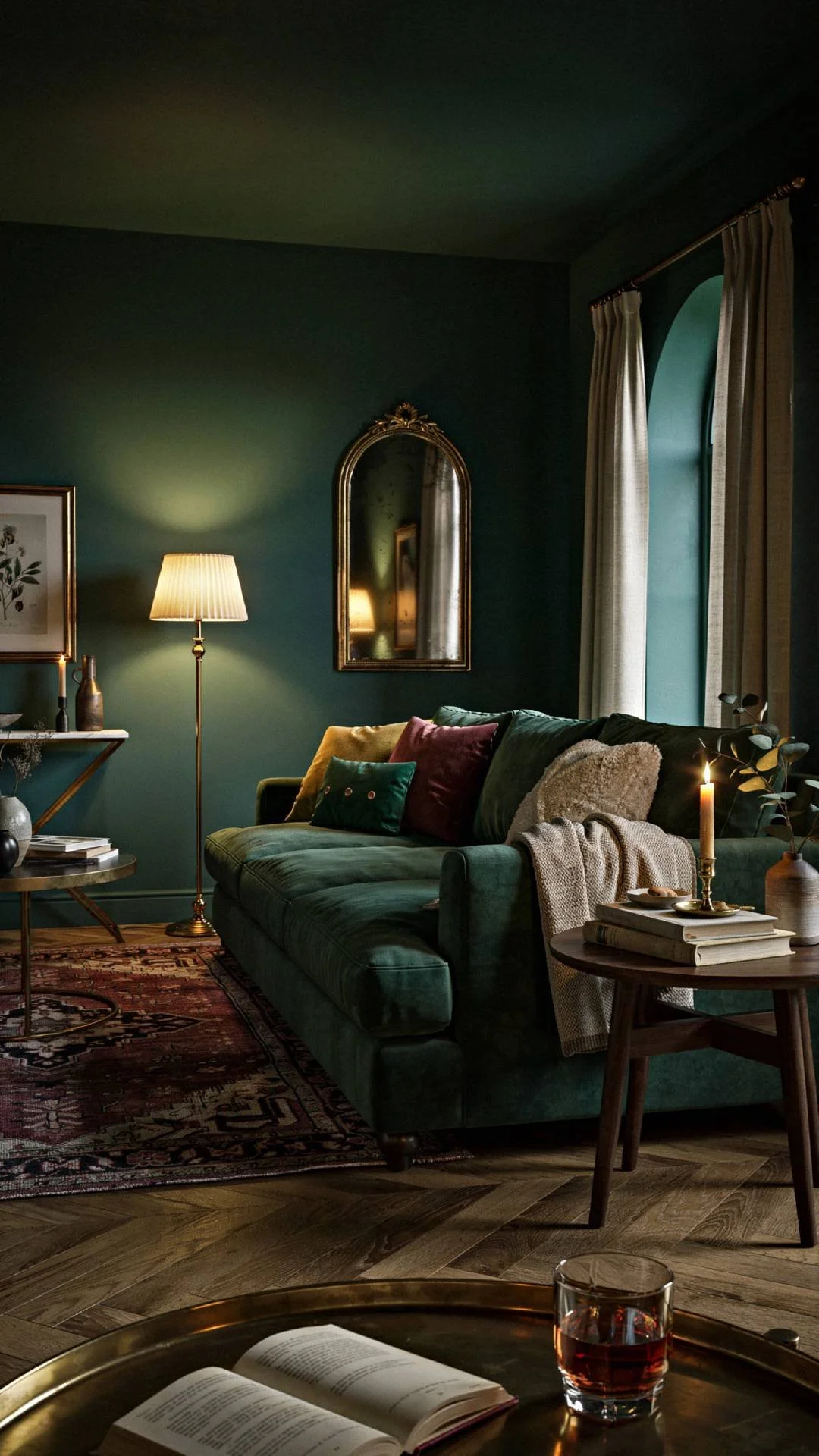
2. How to Use Color Psychology to Personalize Your Home
Colors have a profound impact on our moods and emotions, and choosing a palette that resonates with your personality is one of the most powerful ways to make a space feel like yours. The mistake most people make is picking colors based on what looks good in a magazine rather than what actually makes them feel good in real life. Those are not always the same thing.
Start by paying attention to how you feel in the spaces you love most. If you feel most like yourself wrapped in warm, earthy tones, that is a signal. If you come alive in rooms with bold, saturated color, that tells you something too. There is no wrong answer here. Color psychology is not about following rules; it is about tuning into your own reactions and trusting them.
If you are not ready to commit to a full paint color, here are a few lower-stakes ways to introduce color and see how it feels before you roll it on every wall:
Paint a single accent wall and live with it for a week before deciding on the rest
Swap out throw pillows, blankets, or curtains in your chosen color as a test run
Bring in a large rug in the color family you are considering
Add a piece of art or a vase in that tone and see how it changes the room's mood
One thing worth remembering is that color does not have to be loud to be personal. Some of the most distinctive and intentional color choices are quiet ones. A warm white that leans slightly peach, a soft sage green on a single bookshelf, or a deep navy on the inside of a cabinet door are all ways to use color in a way that feels curated and personal without overwhelming the space.
3. How to Mix Vintage and Modern Decor for a Personal Home Look
Your home should reflect your journey, not just the latest catalog. One of the surest signs that a space has been decorated by a real person rather than styled for a photoshoot is the presence of things from different eras living happily together. Mixing vintage and modern pieces is not just a design technique; it is an honest reflection of the fact that your taste has evolved over time and that some things you love are old and some are new.
The most common version of this is pairing an antique or inherited piece with something contemporary. Your grandmother's dresser with a sleek modern mirror above it. A rustic farmhouse dining table surrounded by clean-lined contemporary chairs. A vintage brass lamp on a minimalist nightstand. Each of these combinations creates visual tension in the best possible way, where the contrast between the two pieces makes both of them more interesting than they would be on their own.
If you are new to mixing styles, a few principles will help you avoid a result that feels chaotic rather than curated. First, find a common thread between the pieces you are pairing. That thread might be a shared color, a similar material, or a matching scale. Two very different pieces that share one element will almost always feel intentional together. Second, let one style lead and the other accent. A room that is 70 percent modern with 30 percent vintage feels curated. A room that is 50-50 can start to feel unresolved. Third, do not be afraid of things that are worn or imperfect. A little patina on a vintage piece is not something to hide. It is exactly what gives a room character and tells the story of where something has been.
Thrift stores, estate sales, Facebook Marketplace, and Etsy are all excellent sources for vintage pieces that bring history and personality into a space without the price tag of an antique dealer. Some of the most personal and interesting homes are built almost entirely from secondhand finds layered with a few intentional new purchases.
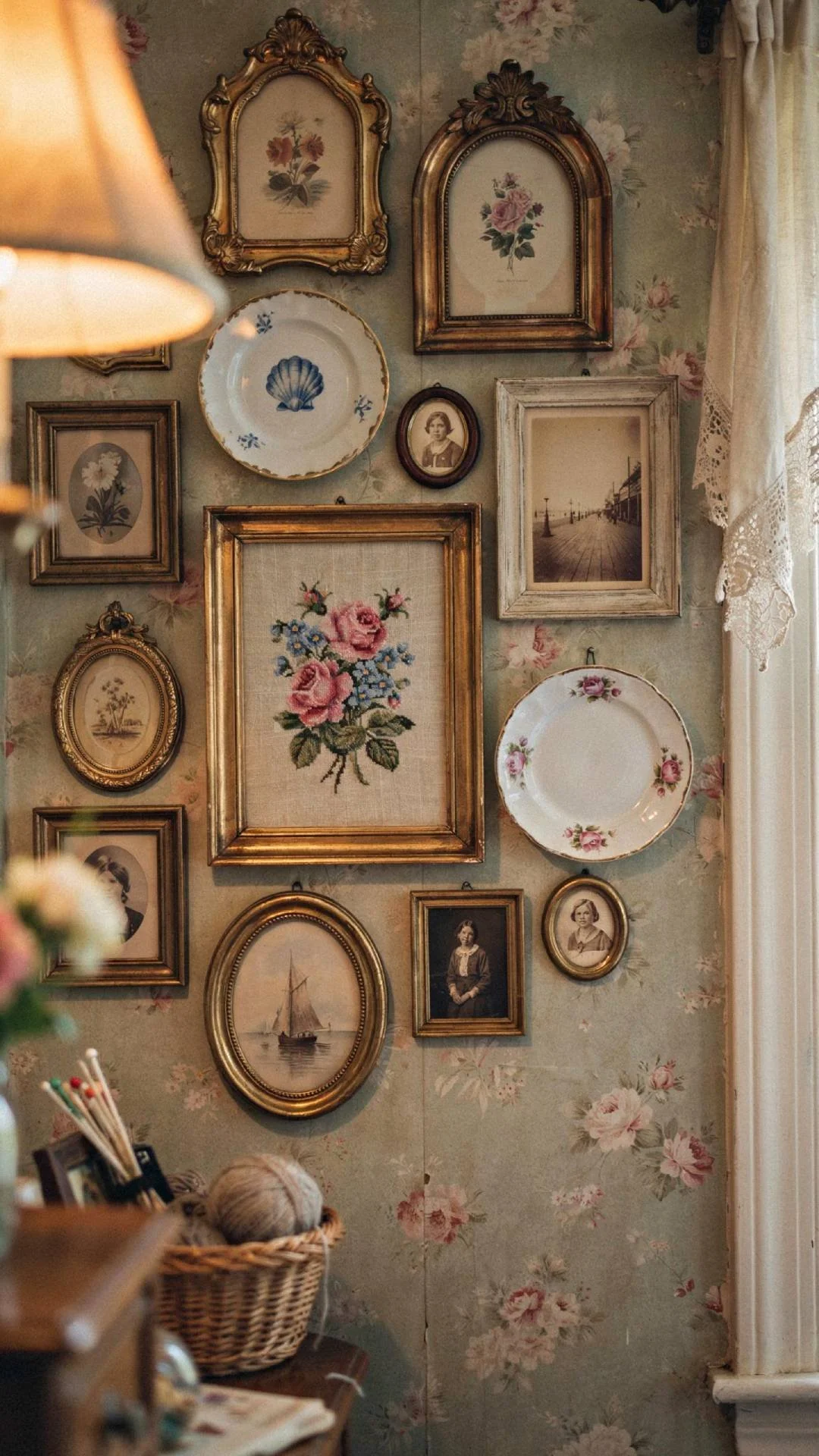
4. Personalized Wall Decor Ideas: Gallery Walls, Art, and More
Bare walls are one of the most common decorating regrets people have, and also one of the easiest things to fix. Your walls are the largest surface area in any room, and leaving them empty is essentially leaving the most visible part of your home blank. That said, filling them with just anything is not the goal. The goal is to fill them with things that mean something to you.
A gallery wall is the most flexible and personal way to do this because there are no real rules. You can mix framed artwork with personal photographs, a child's drawing, a vintage postcard, a pressed botanical print, or a page torn from a book you love. The mix is what makes it feel personal rather than pulled from a store display.
Here is how to approach the arrangement before you put a single nail in the wall:
Lay everything out on the floor first and arrange until the grouping feels balanced
Anchor with your largest or most meaningful piece first, then build outward
Vary frame sizes, heights, and orientations for visual movement
Step back frequently and edit down rather than keep adding more
The result should tell a story you actually want to tell, not just fill a wall.
If a full gallery wall feels overwhelming, try a single large statement piece instead. Commissioning something from a local artist, even a small print or a custom illustration, instantly makes a wall feel one-of-a-kind because it literally is. Many artists on Etsy offer custom work at very accessible prices, and knowing that no one else has the same piece on their wall is a feeling that no mass-produced art can replicate.
For renters or anyone who likes to change things up frequently, removable peel-and-stick wallpaper has come a long way. A single accent wall in a bold pattern or textured print can completely transform the mood of a room in an afternoon, with no commitment and no damage to the walls. Pair it with a few framed pieces in coordinating tones and the result looks intentional and designer-approved.
One final tip: do not hang everything at the same height. Varying the levels at which art and objects sit on a wall adds visual movement and makes the arrangement feel curated rather than formulaic. Eye level is a good starting point for the anchor piece, and everything else can fan out from there.
5. How to Bring Nature Indoors with Plants and Natural Materials
There is a reason that rooms with plants and natural materials consistently feel warmer, more alive, and more personal than rooms without them. Nature grounds us. It slows us down. And in a home context, it signals that someone actually lives there and cares about how the space feels, not just how it looks.
The easiest entry point is plants, but the key is choosing varieties that match your actual lifestyle rather than the ones that look best on Pinterest. If you travel frequently or tend to forget to water things, succulents, snake plants, pothos, and ZZ plants are all nearly indestructible and still add a meaningful amount of life to a room. If you have good natural light and enjoy the ritual of caring for plants, fiddle leaf figs, monsteras, and trailing philodendrons make a dramatic visual statement. The right plant is the one you will actually keep alive.
Beyond plants, natural materials are one of the fastest ways to add warmth and texture to a space that feels too polished or generic. Consider these as starting points:
Woven baskets for storage on open shelves or beside the sofa
A jute or sisal rug to ground a seating area
Linen or cotton curtains instead of synthetic fabrics
A wooden tray, bowl, or cutting board displayed on a countertop or coffee table
Driftwood, stones, or shells collected from places that mean something to you
That last point matters more than people realize. A bowl of shells from a beach you love is not just a decorative object. It is a memory made physical, and that is exactly what personal home decor is made of.
6. How to Design Functional Spaces That Reflect Your Lifestyle
A home that truly feels like yours does not just look like you. It works like you. The layout, the furniture arrangement, and the way each room is set up should reflect how you actually spend your time, not how a floor plan assumes you will.
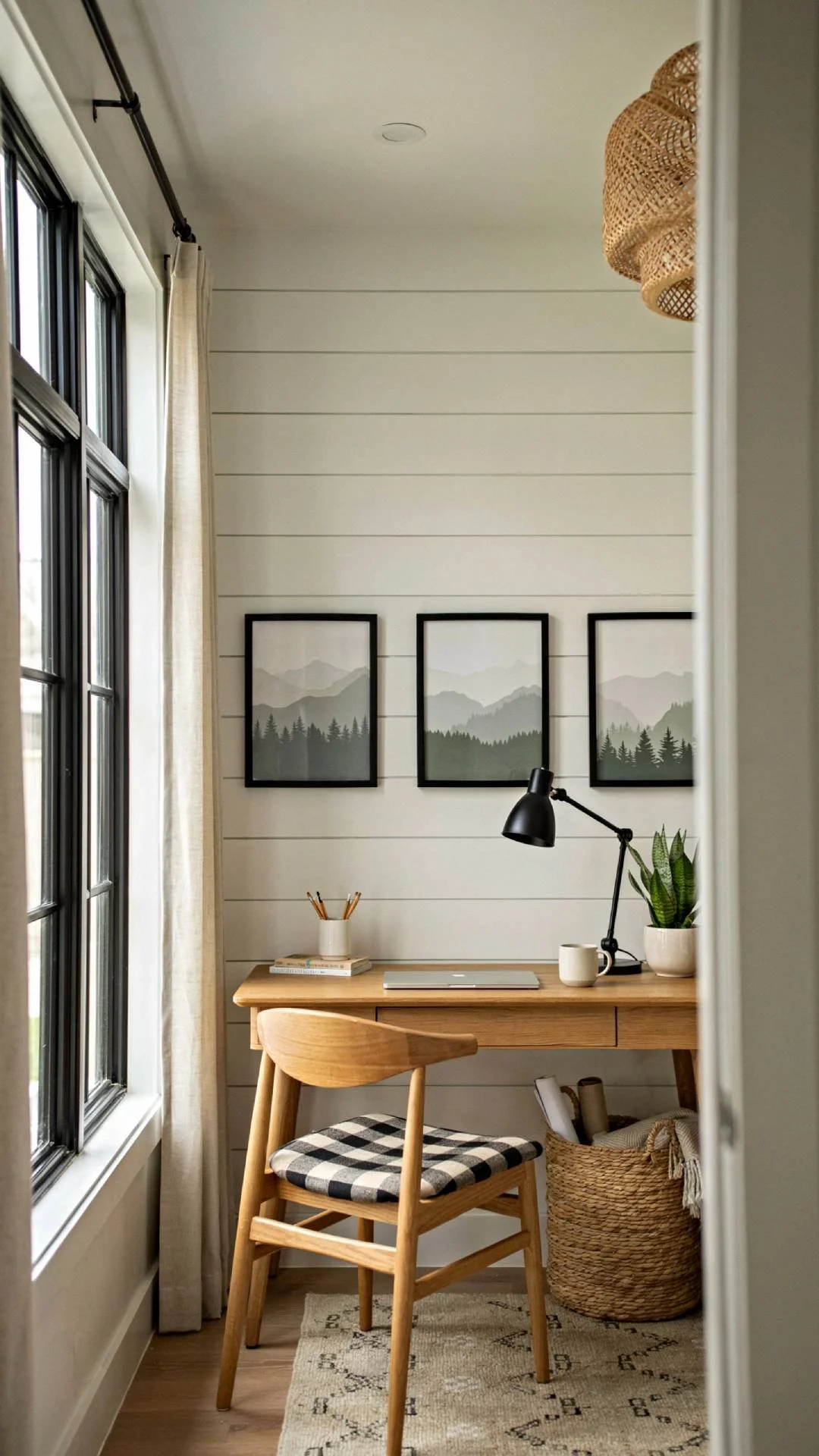
Start by thinking honestly about your daily routines and the activities that matter most to you. If you work from home, a dedicated office nook with good lighting, a comfortable chair, and surfaces that stay organized is not a luxury. It is a necessity, and getting it right will make you feel more at home in your space every single day. If you practice yoga or meditation, even a small cleared corner with a mat, a candle, and a plant signals to your brain that this space is yours and this practice matters. If you love to host, furniture arranged to encourage conversation rather than face a television changes the entire social dynamic of a room.
The most functional and personal spaces are also usually the least cluttered. Clutter is almost always the result of a space that has not been set up to support how you actually live. When a room is designed around your real habits, everything has a place and things tend to stay where they belong. That ease is what makes a home feel effortless rather than exhausting.
A few questions worth asking yourself as you look at each room:
Does this space support the activities I actually do here, or the ones I thought I would do when I moved in?
Is there anything in this room that belongs somewhere else or does not belong in the home at all?
What one change would make this room work better for how I actually live?
You do not need to redesign every room at once. Answering those three questions for just one room and acting on the answers is enough to start feeling the difference.
Bare walls are one of the most common decorating regrets people have, and also one of the easiest things to fix. Your walls are the largest surface area in any room, and leaving them empty is essentially leaving the most visible part of your home blank. That said, filling them with just anything is not the goal. The goal is to fill them with things that mean something to you.
A gallery wall is the most flexible and personal way to do this because there are no real rules. You can mix framed artwork with personal photographs, a child's drawing, a vintage postcard, a pressed botanical print, or a page torn from a book you love. The mix is what makes it feel personal rather than pulled from a store display.
Here is how to approach the arrangement before you put a single nail in the wall:
Lay everything out on the floor first and arrange until the grouping feels balanced
Anchor with your largest or most meaningful piece first, then build outward
Vary frame sizes, heights, and orientations for visual movement
Step back frequently and edit down rather than keep adding more
The result should tell a story you actually want to tell, not just fill a wall.
If a full gallery wall feels overwhelming, try a single large statement piece instead. Commissioning something from a local artist, even a small print or a custom illustration, instantly makes a wall feel one-of-a-kind because it literally is. Many artists on Etsy offer custom work at very accessible prices, and knowing that no one else has the same piece on their wall is a feeling that no mass-produced art can replicate.
For renters or anyone who likes to change things up frequently, removable peel-and-stick wallpaper has come a long way. A single accent wall in a bold pattern or textured print can completely transform the mood of a room in an afternoon, with no commitment and no damage to the walls. Pair it with a few framed pieces in coordinating tones and the result looks intentional and designer-approved.
One final tip: do not hang everything at the same height. Varying the levels at which art and objects sit on a wall adds visual movement and makes the arrangement feel curated rather than formulaic. Eye level is a good starting point for the anchor piece, and everything else can fan out from there.
Your Personalized Home Starts With One Decision Today
You do not need to overhaul your entire home to make it feel more like you. The most personal spaces are built one intentional choice at a time.
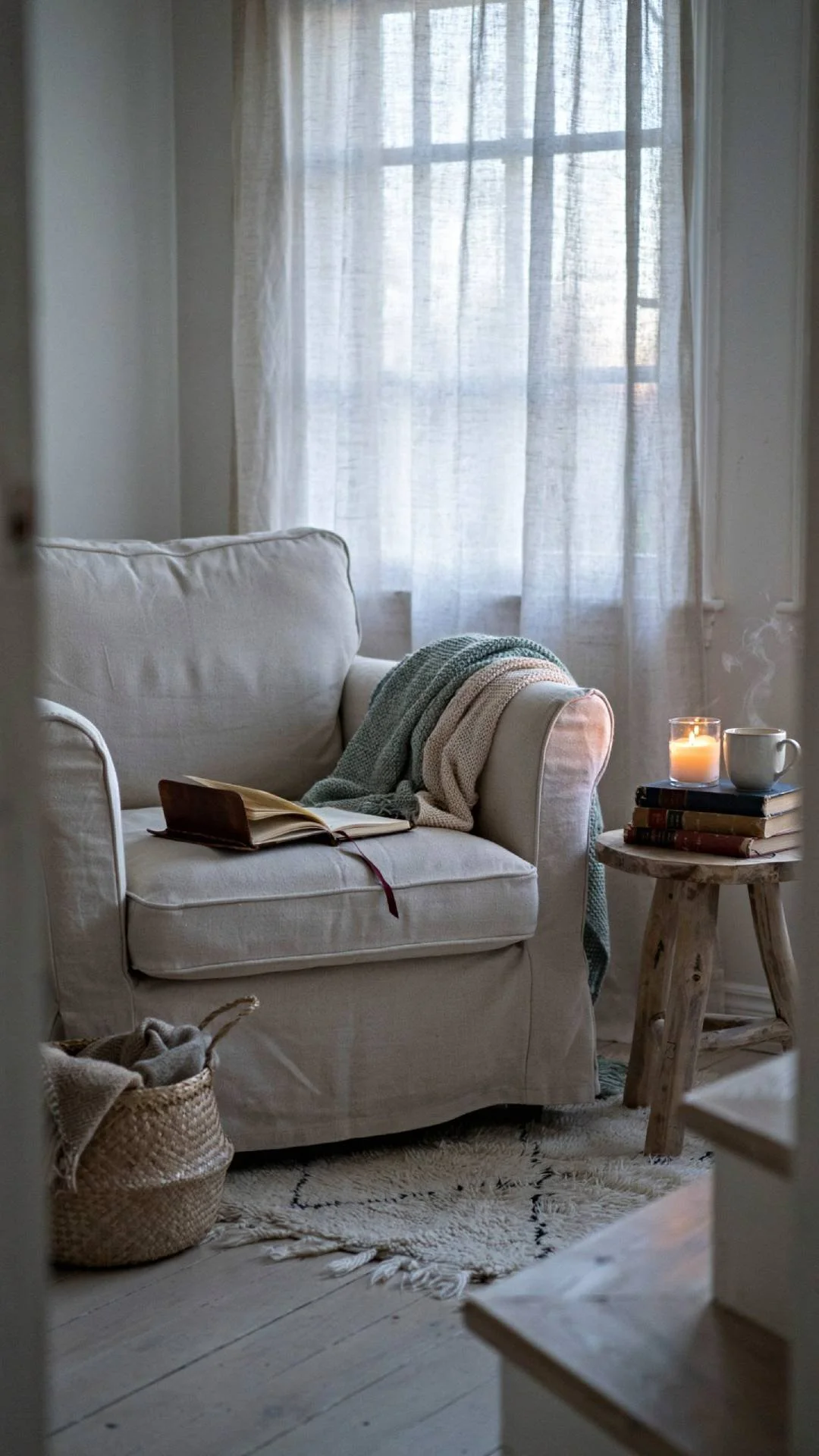
Here is where to start right now:
Step 1: Walk through your home and find one thing that feels generic. It could be a bare wall, a piece of furniture you inherited but do not love, or a room that works fine but does not inspire you. That is your starting point.
Step 2: Pick the section from this list that excites you most. Not the most ambitious one. The one that feels most like you.
Step 3: Do one small thing today. Move an object. Hang a photo. Swap a throw pillow for something you actually love. Small changes have a way of building into something that feels completely transformed.
Your home is the one place that should feel entirely like yours. Start there.
Frequently Asked Questions About Personalizing Your Home Decor
How do I make my home feel more personal without spending a lot of money?
Start by displaying what you already own in a more intentional way. Grouping meaningful objects together, framing personal photos, and rearranging furniture to better suit how you actually use the space can completely shift the feeling of a room without buying anything new.
What is the easiest way to add personality to a rental home?
Focus on removable and non-permanent changes: peel-and-stick wallpaper, gallery walls with picture rail hooks, layered textiles like rugs and throw blankets, and plants. These changes make a dramatic difference and can move with you when you leave.
How do I find my personal home decor style?
Start by saving images of rooms that make you stop scrolling, without worrying about why you like them. After collecting 20 or 30 images, look for patterns in color, texture, and the overall mood. That pattern is your style. From there, build toward it one piece at a time rather than trying to recreate a look all at once.
Can I mix different decor styles in the same home?
Absolutely. The most personal homes almost always mix styles because they reflect a real person, not a catalog. The key is to find a common thread that ties things together, whether that is a consistent color palette, a shared material like natural wood or linen, or a consistent level of visual weight across pieces.
How do I make a new house feel like home quickly?
Unpack and display the things that matter most to you first, before worrying about furniture arrangement or paint colors. Personal objects, family photos, books, and items connected to your hobbies signal to your brain that a space belongs to you faster than any decorating decision will.